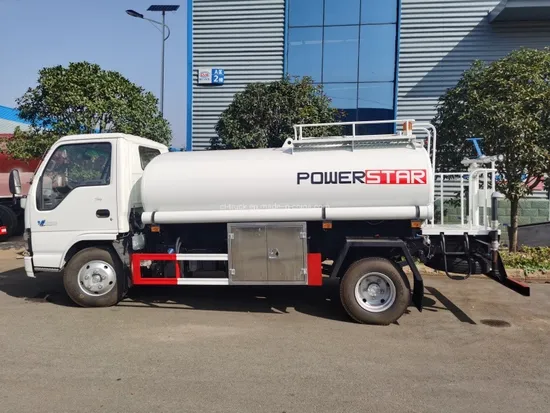
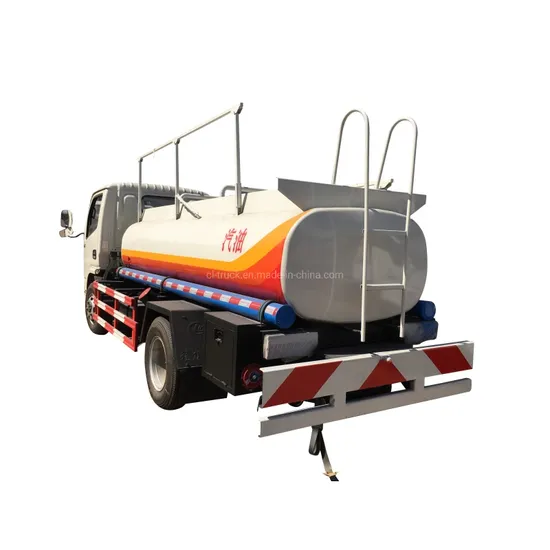
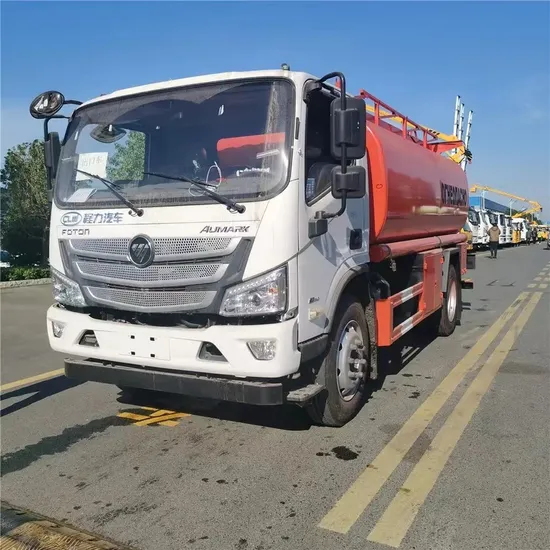
Choose carbon steel when cost and strength matter most and the cargo is not food, stainless steel when hygiene or corrosion resistance decides the job, and aluminium when you need the lightest tank for fuel. The material also affects payload, cleaning effort and how long the tank lasts.
What each material does well
Carbon steel is the default for most tank trucks. It is strong, easy to weld and repair, and the cheapest of the three. Its weak point is rust, so the inside usually needs a lining or regular care, and it is a poor fit for cargo that must stay clean. Many of our listings name Q235 carbon steel as the tank material.
Stainless steel resists corrosion and wipes clean, which is why it is the usual choice for milk, drinking water and other food-grade liquids. It costs more than carbon steel, but it needs no lining and keeps a smooth inner surface for years of washing.
Aluminium is the light option. A lighter empty tank leaves more of the chassis rating free for cargo, which matters on fuel runs where every kilogram of payload counts. It is softer than steel, so plate thickness and weld quality deserve a closer look.
Matching the material to the cargo
| Cargo | Usual choice | Reason |
|---|---|---|
| Milk and dairy | Stainless steel | Smooth surface, easy to clean, no lining |
| Drinking or food-grade water | Stainless steel | Keeps the water clean and resists corrosion |
| Water for dust control or construction | Carbon steel | Lowest cost; purity is not the main concern |
| Diesel, petrol and other fuels | Carbon steel or aluminium | Steel for cost, aluminium for a lighter tank |
Fuel transport is also covered by rules that differ from place to place, so follow the rules that apply where the truck will operate and ask what tank construction they require.
What our listings show
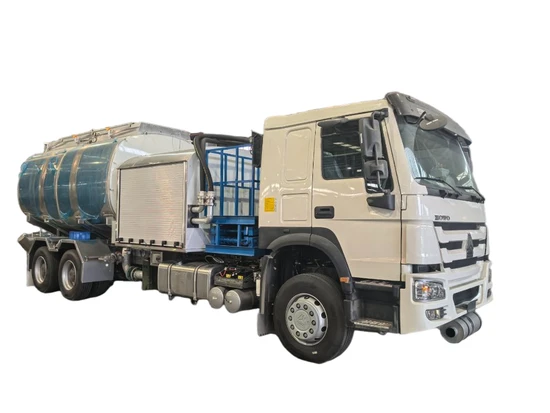
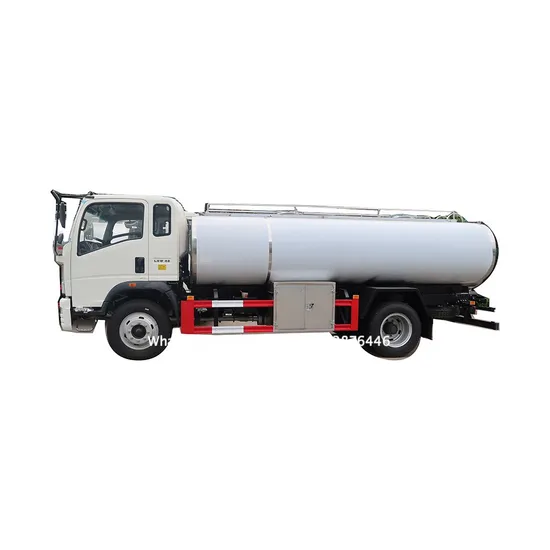
Our listed models cover all three materials. The HOWO 6x4 Fuel Tanker Truck 20-25m3 lists Q235 carbon steel with stainless steel or aluminium as alternatives, and the Dongfeng 4x2 Oil Tank Truck 2-3t lists carbon steel with optional stainless steel. For dairy, the Sinotruk HOWO Light Refrigerated Milk Tank Truck 10m3 lists a stainless steel tank. You can browse the full ranges under water tank trucks, fuel trucks and milk tank trucks. If the cargo is already fixed, the water tanker trucks for sale and milk tanker trucks for sale pages group models by use.
Mistakes to avoid
- Paying for stainless steel when the cargo does not need it.
- Choosing carbon steel for a food-grade liquid because the quotation is lower.
- Comparing prices without the material grade and plate thickness written down for each tank.
- Trusting the product title alone: always confirm the tank material in the quotation.
Frequently asked questions
Is stainless steel always better than carbon steel for a water tanker?
No. Stainless steel suits drinking water and food-grade liquids because it resists corrosion and cleans easily. For road spraying or dust control a carbon steel tank is often enough and costs less, so match the material to the cargo.
Why would a fuel tanker use aluminium?
Aluminium weighs less than steel, so the empty tank takes less of the chassis rating and more fuel can be carried. Ask for the thickness quoted and follow the transport rules that apply where the truck will operate.
Can one tank truck carry both milk and water?
Only if the tank is food-grade stainless steel and is cleaned thoroughly between cargoes. A carbon steel tank is not suited to milk. Ask the supplier which cargoes a given tank is built for.