Natural gas trucks are attractive where diesel is expensive or hard to get, and some African markets have gas stations on main corridors. But a gas truck is only as useful as the fuel you can buy along its route. This guide sets out what to check before you order a CNG or LNG truck, using four Shacman models we supply as examples.
CNG and LNG: the basic difference
CNG is compressed natural gas, stored as a gas at high pressure in steel or composite cylinders. LNG is liquefied natural gas, stored as a very cold liquid in an insulated tank. In general terms, LNG packs more energy into the same space and suits longer routes, while CNG stations are simpler and more common where a pipeline network exists. The right choice depends on what your route actually offers, so ask which fuel the truck is built for before comparing anything else.
Confirm gas station availability on your routes
This is the first check, and it comes before price, horsepower or cab. Before you order:
- Map your regular routes, including the return leg and any detours.
- Find out where CNG or LNG can be bought on each route, and whether the station serves heavy trucks.
- Ask the station operators about opening hours, queue times and the fuel type they sell.
- Ask fleet owners and drivers who already run gas trucks locally what they have found in practice.
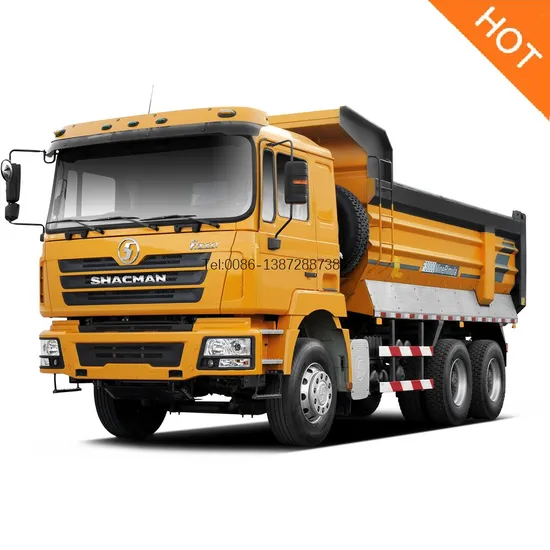
- Plan what happens if a station is closed. The Shacman F3000 dump truck below comes in both a diesel and a CNG version, so you can compare the two on your routes.
We cannot confirm gas stations in your country for you. Tell us your routes and we will help you match the truck to them, but the station check must be done on the ground.
Models to compare
All of these use Shacman chassis. Cylinder number and capacity, and therefore the working range, are confirmed in the quotation, so ask for them in writing.
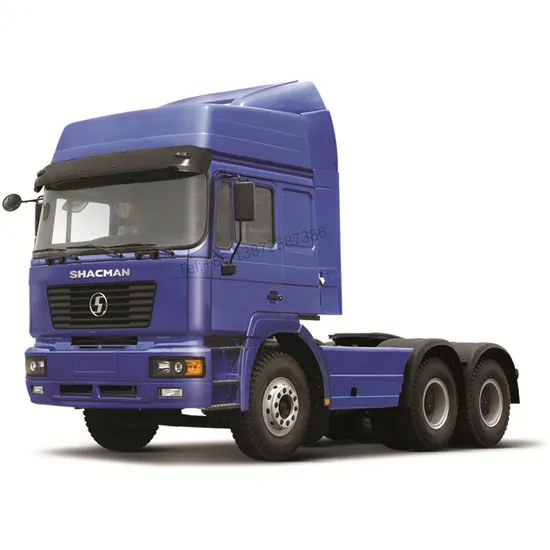
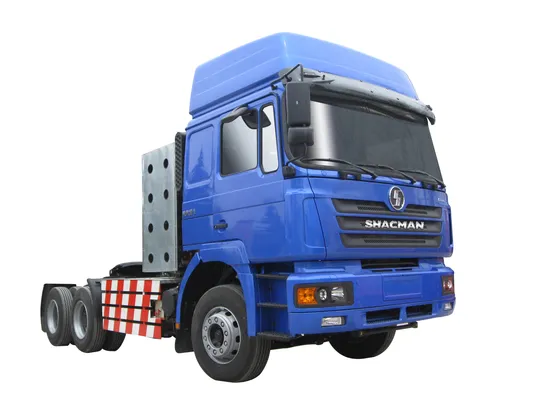
- Shacman F3000 6x4 LNG/CNG tractor truck: left-hand drive with a WP10.340E32 engine of 340HP. Higher-output engines of 380 to 440HP are options. It is a spark-ignition lean-burn turbo engine of 9.726 litres, rated 250 kW and 1,400 N.m of torque, with a FAST 12-speed gearbox. Load capacity is 31 to 40 t, with a related weight of 40,000 kg, and the emission level is Euro 2.
- Shacman F2000 6x4 CNG tractor truck: the same engine class with a FAST 12JSD160 12-speed gearbox, ABS and an F2000 high-roof two-berth cab.
- Shacman F3000 6x4 dump truck, 30 to 40 t: offered as diesel (WP10.340E32, 340HP, 400 litre fuel tank) or CNG (WP12NG380E40, 380HP, Euro 4, gas cylinders mounted on the chassis).
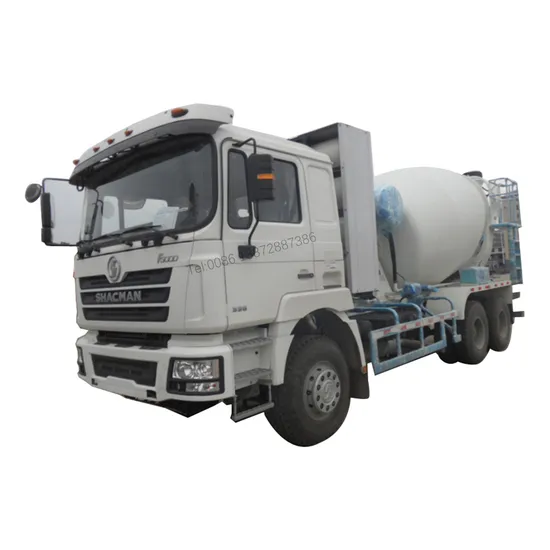
- Shacman F3000 CNG 6x4 concrete mixer, 10 m3: WP10NG350E40 engine, 350HP, Euro 4, a 9JS135 nine-speed gearbox and fuel stored in 8 cylinders.
Range and cylinder capacity
Range depends on how much gas the truck carries, the load, the road and the driving style. We do not quote a range figure for any of these models in this guide, because the cylinder set is fixed in the quotation. Ask in writing for:
- The number of cylinders or tanks and their total gas capacity.
- Where the cylinders are fitted, and how much space they take on the chassis.
- The range you can expect with your load on your route, with the assumptions stated.
- Whether a larger cylinder set is available and what it does to payload.
Weight, payload and axle limits
Gas cylinders add weight to the chassis, which can reduce payload. On the dump truck, the cylinders sit on the chassis, and on the mixer the fuel is stored in 8 cylinders. Compare the loaded axle weights with the limits on your routes. Every country sets its own limits, so confirm them with your road authority.
Engines, emissions and fuel quality
Gas engines use spark ignition rather than diesel compression, so service parts and routines differ. Ask who will service the engine near you, which spares are held in stock, and how fuel quality affects service intervals. Emission levels also differ between models, from Euro 2 to Euro 4 on the examples above, and some buyers need to meet a particular level. Check the requirement with your clearing agent and the national standards body.
Safety and handling
Gas systems need trained drivers and a clear routine. Ask for the operating and refuelling instructions in English, and ask what training and checks are advised for cylinders, valves and pipework. Check how the cylinders are protected and where they are vented. Follow your national rules for gas vehicles and for workshop use.
Questions to ask before ordering
- Is the truck built for CNG, LNG or both?
- How many cylinders, what total gas capacity, and what range with my load?
- Where can I refuel on every route?
- Which emission standard does the model meet?
- Which side is the steering? Left-hand drive is standard and right-hand drive is available on request; see steering side by country.
Next steps
If you want to compare with diesel, see our tractor heads, dump trucks and concrete mixer trucks, and read the tipper lorry buying guide and the cement mixer truck guide. Then send us your requirements: routes, load, country and drive side, and we will reply with a quotation.