Operators often find it hard to judge how much water to put down. Too much water collects in low spots, runs away into drains and turns loose soil into mud. Too little does nothing for dust or road cleaning. Good control comes from knowing how the pump, the valves and the nozzles work together.
There is no single correct flow rate. The right amount depends on the surface and the weather on the day. This guide explains how to adjust the spray, how to operate the pump drive safely and how to look after the water supply, with extra points for hot, dusty African conditions.
Match the amount of water to the surface
When the surface is very dry, apply more water. When the ground is still damp after rain, apply less. If the road carries a lot of loose soil or gravel, have it swept first and spray afterwards, otherwise the water simply turns the dirt into mud and moves the problem elsewhere. Once the mud dries, it can create more dust than before.
Pump flow sets the upper limit. The pump sits low on the tank and is driven from the engine through the power take-off (PTO) and a drive shaft. Its model shows how much water it can deliver, and the pump is normally chosen to suit the size of the tank. Ask for the pump model and flow figure when you buy, and note it in the truck's file.
Choose the right nozzle for the job
- Front nozzles sit low and close to the ground at higher pressure, so they suit road washing.
- Rear nozzles sit higher, usually one on each side, and cover a wider area. They suit road construction watering. Close the front line when using the rear nozzles.
- Adjustable nozzles let you change the spray width. A wider spray with less overlap in the middle gives a more even coverage.
- Water cannon settings can be changed between a solid jet and a fine spray for greenery or dust.
Do not run the truck with only one valve open when flushing, because the pump and pipes then work under unbalanced load. Use the valves as the equipment instructions describe.
Operate the PTO and pump correctly
Before first use, check the gearbox oil level, put the gear lever in neutral, set the PTO handle to its off position and make sure the throttle control is at minimum. Connect the pipes and start the engine. When the air pressure has built up to the level in the manual, press the clutch, switch the PTO on and release the clutch slowly. A fast release can damage the PTO and gearbox. The throttle control then sets the pump speed.
To stop, return the throttle control to minimum, press the clutch and switch the PTO off. Always engage the PTO while the truck is stationary, both before filling and before spraying. After the job, check that the PTO switch is back in its rest position, the throttle control is at minimum and every valve is closed.
Take care of the water source
When drawing from a stream, pond or pit, the end of the suction hose must be fully under water. Keep the strainer fitted so stones, silt and floating material do not enter. In shallow water, dig out the pick-up point beforehand. A clean-water pump needs water free of debris. A trash pump tolerates more silt but still cannot take stones or heavy sand.
A centrifugal pump needs priming water every time and the filler must be closed afterwards. A self-priming pump needs priming water only on first use. The suction line must be airtight, so check hoses for damage and hard pipes for cracks, since any air leak stops the truck drawing water.
Working conditions in Africa
Water in many places can carry sediment, especially in the rainy season, so inspect and clean the pump strainer often. Sand wears pump parts faster, so keep the strainer in place and open the tank drain regularly until the water runs clear. After heavy rain, unsurfaced roads may be too soft to spray safely, and extra water can make mud that is hard to drive through. Spray during the hottest part of the day only if the job needs it, since water dries quickly and the effect on dust may be short.
Because workshops can be far away, grease the drive-line points on schedule, tighten loose fixings and carry spare strainers and hose clamps. If drivers rotate between vehicles, a laminated card with the PTO and valve sequence in the cab helps.
If the spray pattern turns uneven, see what to record in our guide on uneven spray patterns on a water truck, and for choosing equipment read water truck pump and spray options.
Related models
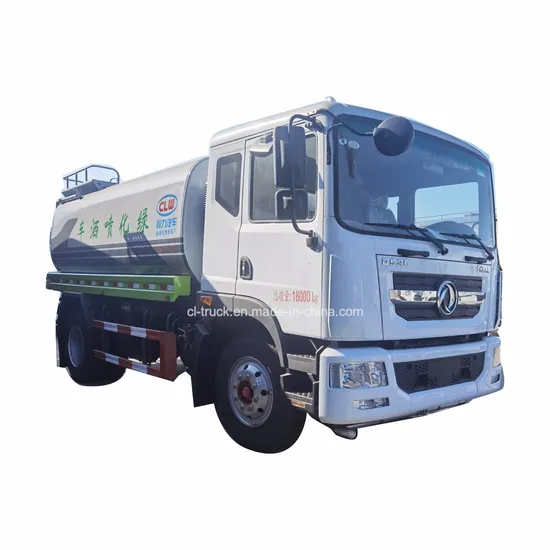
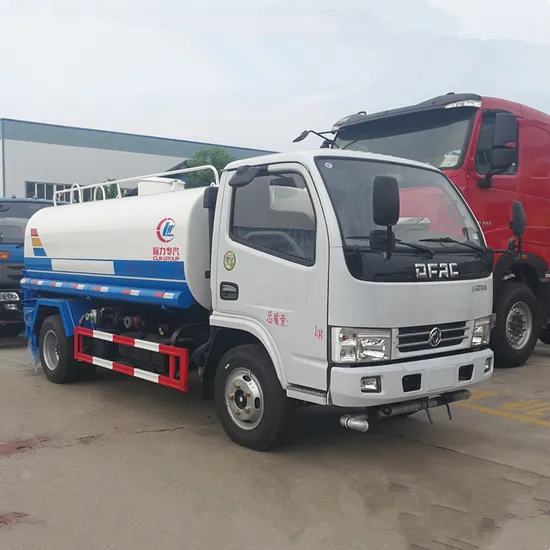
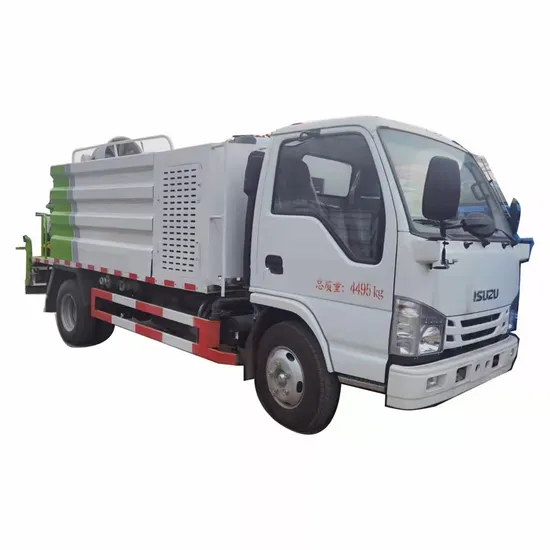
See our full range of water tank trucks. Examples include the Dongfeng 4x2 water tanker sprinkler truck, the Isuzu dust suppression sprayer truck and the Dongfeng D9 4x2 water transport truck.
To ask for a quotation, please contact us or message us on WhatsApp.