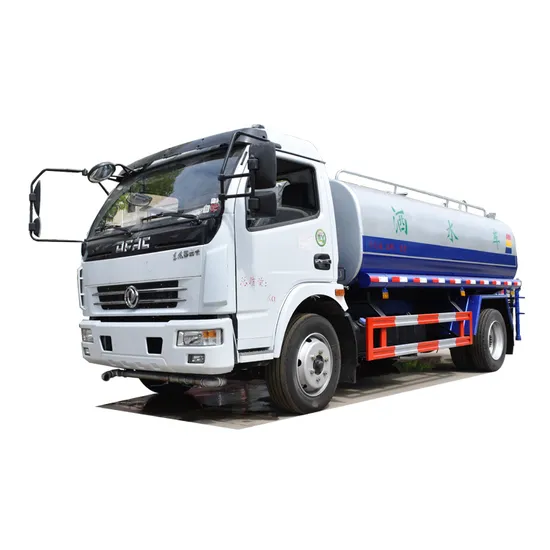
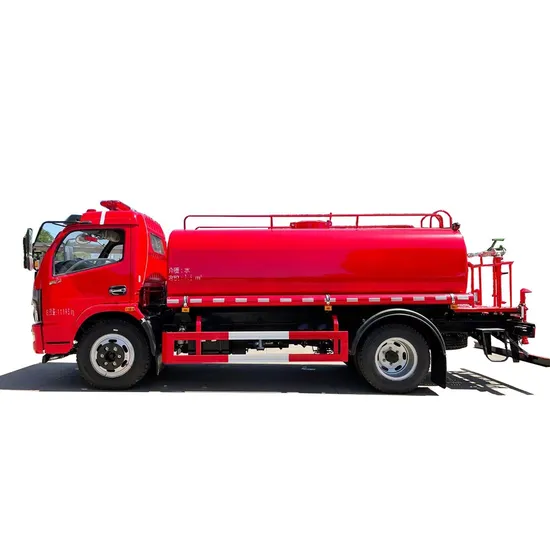
Water truck spray nozzle problems are easier to discuss when the report identifies the affected outlet and describes the pattern. “The spray is weak” leaves several possibilities open: one side may be weaker, the output may come and go, or every active outlet may appear reduced. A clear observation record helps the service team understand the symptom before deciding what inspection is appropriate.
Identify the truck and the spraying function
Record the vehicle identification, body identification and installed pump model where these are available from accessible labels or existing documents. Name the active function: road sprinkling, water cannon or fog cannon. Include the selected mode and the operator's normal settings as observed when the symptom appeared.
The Dongfeng Tianjin Kingrun cleaning truck describes a CLWSP001 water cannon and an X-60A fog cannon as separate equipment. A problem at one should not be reported simply as a general “sprayer failure,” because the service team needs to know which assembly is involved.
When one side appears weaker
Identify left or right relative to the truck's forward direction, then identify the outlet's location. Describe whether the stream is narrower, shorter, uneven across its width or visibly different from the other side. Note whether the difference was present from the start of work or developed later.
A photograph or short video from an appropriate observation position can communicate the difference more clearly than an estimated percentage loss. Include the direction of travel and wind conditions so the service team can distinguish the reported pattern from how water is being carried across the scene.
When spraying becomes intermittent
Record when the interruptions occur and whether they affect one outlet or all active outlets together. Note the approximate duration and any visible display message, change in sound or recent operating event. Describe observations without labelling the pump, valve or nozzle as the confirmed cause.
The Dongfeng water bowser listing provides separate watering-width, pump-flow and water-cannon fields. These help identify functions in the equipment description, but their published figures are not a diagnosis of an intermittent symptom on a particular vehicle.
When the whole spray pattern becomes weaker
Record the indicated tank level, active outlets, displayed operating information and the water source used for the current fill. State whether the change was sudden or gradual and whether it followed a refill or a change of operating mode. Preserve any existing service history associated with the same symptom.
The Dongfeng 4×2 water spray truck also distinguishes watering and cannon specifications. Identify the installed configuration in the service report rather than relying on a broad capacity description in the product name.
Copy this fault-record format
| Record item | Operator entry |
|---|---|
| Vehicle and body identification | Fleet number, model and available identification labels |
| Date and location | When and where the symptom occurred |
| Affected function | Outlet location, side and selected spray mode |
| Symptom | One-sided, intermittent or generally weak; describe appearance |
| Observed conditions | Tank indication, active outlets, wind and available display information |
| Recent event | Refill, mode change or previous service |
| Attachments | Labelled photographs, short video and relevant records |
Send the completed record to the service provider and follow the equipment-specific service instructions. The purpose of this record is to describe the problem accurately. It does not require opening pressurised components or changing settings to reproduce a fault.