Concrete sets quickly, and it is hard on steel and paint. A mixer truck whose drum stops turning with a full load can lose the whole batch, and in the worst case the concrete hardens inside the drum and the truck is out of work for a long time.
Most of that risk can be avoided with a steady daily routine, a clean hydraulic system and an operator who knows the machine. Below we cover how the drive works, what to do on every load, and which common habits do damage.
How the drum is driven
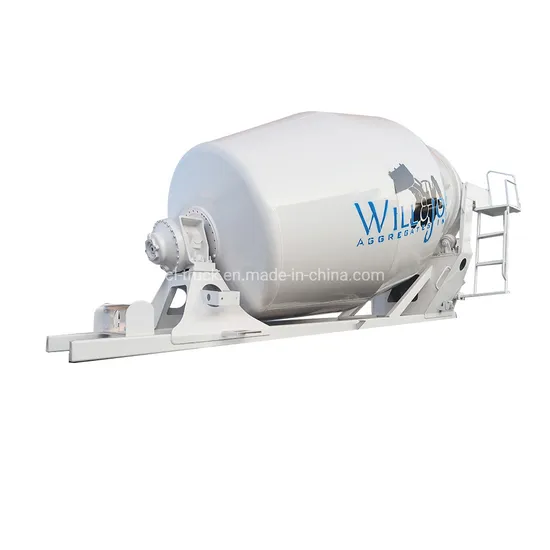
A mixer truck is a chassis with a mixing unit on top. A power take-off draws power from the engine and drives a variable hydraulic pump. The pump feeds a fixed hydraulic motor, the motor turns a reduction gearbox, and the gearbox turns the drum. Trucks in the 3 to 6 cubic metre range commonly take power from the main engine, while larger drums of 9 to 12 cubic metres are often driven by a separate auxiliary diesel engine.
Inside the drum, spiral blades lift and fold the concrete. The drum turns forward while loading and in transit, so the concrete moves inward, and in reverse to discharge. Worn or damaged blades give uneven mixing, and a poor blade angle can let the mix separate. The wash water system cleans the drum and also helps cool the hydraulic system.
Routine for every load
- Drain any standing water and loose debris from the drum before loading, and wet the loading hopper first.
- Keep the drum turning at all times while carrying concrete, so the mix does not separate.
- On arrival, run the drum at full speed, 14 to 18 rpm, for 1 to 2 minutes before discharge. Bring the drum to a full stop before reversing it.
- Work to the time limit: from loading to discharge, no more than 60 minutes when the air temperature is above 25 degrees C, and no more than 90 minutes when it is below.
- After discharge, hose down the hopper, chute and every area where slurry has splashed.
- On the way back, add the wash water quantity given in the operator's manual and keep the drum turning slowly forward.
- At the end of the day, fill the drum with clean water, run it at high speed for 5 to 10 minutes, then drain it.
When using a pressure washer, keep the nozzle at least 40 cm from painted surfaces and keep water away from gauges and control levers. Never change hydraulic pressure settings; they must stay as the operator's manual specifies.
Drive and hydraulic care
Universal joints on the drive shaft are a common failure point. Grease them on schedule, check them for wear and replace them early. A spare shaft assembly in the fleet store can get a stopped truck working again quickly.
Keep the hydraulic oil clean. Water, slurry and sand must not enter the system. If you find water or grit in the oil, stop the truck, flush the system and change the oil. Clean the oil cooler of cement deposits and check that its fan works, so the oil does not overheat. Follow the manual for oil change intervals.
Working conditions in Africa
Heat can shorten the time concrete stays workable, so planning the route and the discharge point matters more. Dust and mud on unsurfaced roads can pack the cooler and coat the drive shaft joints, so wash them regularly. Wash water that carries sediment should not be used where it can reach the hydraulic system. Where the nearest workshop is far away, keep spare joints, filters and hoses on hand, and remember that parts may take time to arrive. Operators who move between different trucks need a short briefing on this particular drum and control layout.
Common maintenance mistakes
- Removing the thermostat to fight a hot engine. The coolant then circulates without regulation and the engine often runs too cool, with lower power, faster wear and higher fuel use. Look for the real fault in the rest of the cooling system instead.
- Thinking a cool engine does no harm. Low temperatures are also damaging; run the engine within the normal range given in the manual.
- Fitting the fan belt as tight as possible. An over-tight belt stretches, breaks early and can bend the pump and alternator shafts. A deflection of about 10 to 15 mm is normal for a correctly tensioned belt.
- Skipping one wash. Hardened concrete builds up and reduces drum capacity.
Safety around the drum
Stop the engine and let the drum come to a complete stop before cleaning chunks of concrete or doing any repair inside. If anyone enters the drum, ventilate it, make sure there are no flammable gases or harmful dust, and use well-insulated electric tools. Never put your hands into a turning drum or into the joint of the discharge chutes. Only trained operators should run the truck.
Related models
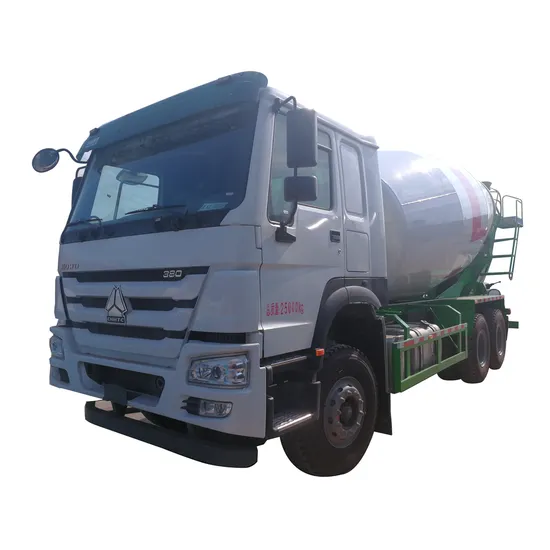
You can browse the full range on our concrete mixer trucks page. Popular examples include the Chengliwei 3-8m3 mixer truck, the HOWO 6x4 8-10m3 mixer truck and the Shacman F3000 6x4 mixer truck. For more background, read how a concrete mixer truck works and why hydraulic systems differ between mixer trucks.
To ask for a quotation, please contact us or message us on WhatsApp.