An oil leak is never only a cosmetic problem. It wastes lubricant and fuel, costs power, makes the truck dirty and can pollute the ground. More seriously, when oil levels fall inside a component, parts are poorly lubricated and poorly cooled, which can lead to early wear and, in the worst case, a breakdown that could have been avoided.
Most leaks follow a small number of causes. Knowing them helps a workshop find the fault faster and helps a fleet manager prevent repeat leaks. Below we cover the common causes, the checks that prevent them, and the extra pressure that hot, dusty and rough working conditions can put on seals and joints.
Where leaks usually come from
Typical causes include:
- Poor quality parts, weak materials or workmanship, or a design weakness in a joint.
- Incorrect assembly: dirty mating surfaces, damaged or misplaced gaskets, or installation that ignores the correct procedure.
- Uneven tightening, stripped threads, broken studs or fasteners that have worked loose.
- Seals that have worn beyond their limit, hardened with age or lost their shape.
- Too much oil, an oil level that is too high, or the wrong oil added.
- Thin covers or housings that have warped or cracked, letting oil seep out.
- Blocked breathers or one-way valves, which build pressure inside a housing and push oil past the weakest seal.
Working conditions in Africa
Heat can harden and age rubber seals and gaskets faster, so leaks may appear sooner on trucks that work in strong sun or under heavy load. Dust can clog breathers and vents, creating the pressure that forces oil out. Corrugated and unsurfaced roads shake bolts loose and stress joints. Fuel and lubricant quality can vary, and a wrong or poor oil may attack seals. Since a workshop can be a long way from the job, small seepage that is ignored may become a roadside failure. Keep the common gaskets, seals and breather parts you need on hand, and fix a small leak early.
Gaskets, fasteners and seals
Gaskets between static surfaces, such as end covers, housings, rocker covers and cover plates, do the sealing work, so they must be correct and fitted well. Large flat surfaces such as the sump and rocker cover are difficult to clamp evenly, and these are common leak points.
Every fastener should be tightened to the torque in the manufacturer's manual. Too loose and the gasket will not compress; too tight and the metal around the hole can rise or the thread can strip, which also causes leaks. A drain plug that is not tight, or that works loose, can let all the engine oil escape, which may then lead to serious engine damage.
Moving parts rely on seals and O-rings. If a seal is installed off-centre, or the shaft wobbles, oil is thrown out. Rubber also loses elasticity over time. When you see seepage, replace the seal promptly instead of waiting.
Breathers, hoses and hubs
If a breather or one-way valve is blocked, heat and oil vapour cannot escape. Pressure rises inside the housing, oil use increases and the oil may need changing sooner, and the pressure finds the weakest seal. Blocked engine ventilation also adds resistance to moving parts and raises consumption. Inspect, clear and clean breathers on a regular basis, and more often in dust.
Hose unions that are removed and refitted often can lose their threads and start to weep. Replace damaged union nuts and make sure the sealing cone seats properly. This is especially relevant on trucks with hydraulic equipment; our article on how a truck hydraulic system works explains why these joints matter.
Oil or grease thrown from a wheel hub is another common problem. Causes include too much grease in the bearing cavity, a poorly fitted or aged hub seal, hubs running hot from frequent braking, or a loose axle nut. Fill the hub cavity with the right amount, not to the brim, and keep the vent clear. Follow the manual for quantities and intervals.
Good habits for fleets
Check under the truck for drips at each shift and after parking. Keep the underside reasonably clean so new seepage is easy to see. Check oil levels with the truck on level ground and never overfill. Record each leak, its location and the repair, because a clear history makes recurring faults easier to trace, as we describe in our guide to building a clear fault report. Operators who change between vehicle types should learn where each truck's drain plugs, breathers and filler points are.
Related models
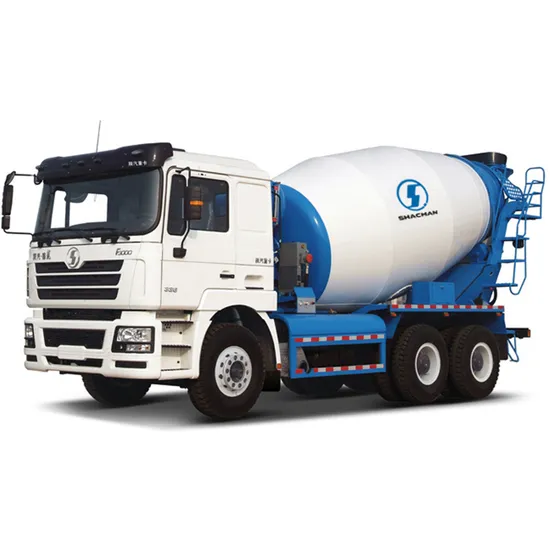
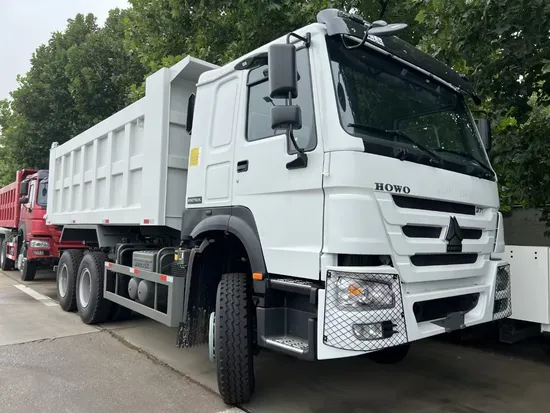
Trucks that work hard on site, such as the HOWO 6x4 dump truck, the Isuzu 700P truck-mounted crane and the Shacman F3000 concrete mixer, benefit from a regular leak check. See also our crane trucks.
To ask for a quotation, please contact us or message us on WhatsApp.