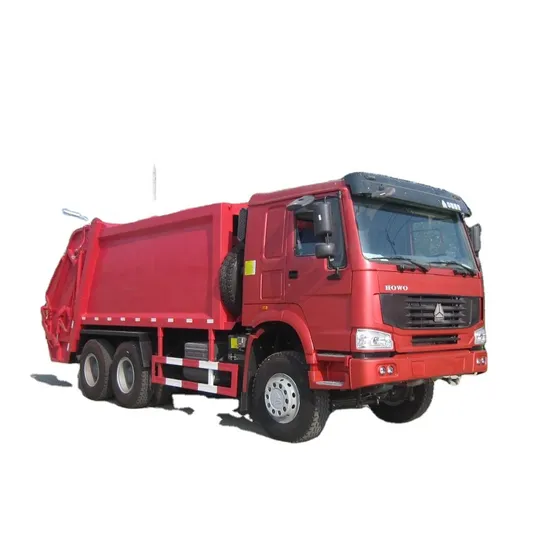
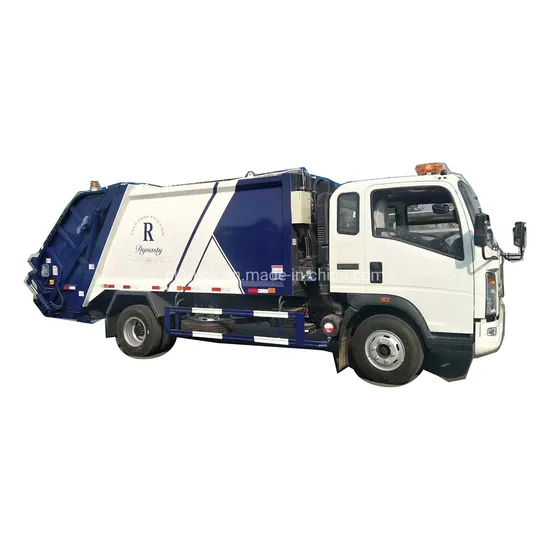
When a refuse compactor stops working, a clear report saves days. A report that says only "the truck is broken" sends the technician to the wrong place with the wrong parts.
Name the truck and the control arrangement
Write the fleet number, the body type and the equipment identifiers. Say whether the controls are inside the cab, on the side of the body, or both. Say whether the truck is loaded or empty. This tells the service team which drawing and which part list to open.
Bin handling: describe the connection and the position
Say which bin system is fitted, and how it holds the bin. Describe where the bin was when the fault happened: on the ground, halfway up, or at the top. Say whether the bin was full. Say whether the arm or the lift stopped suddenly or moved slowly.
Loading and pressing: record the last movement that worked
Write the last thing that worked properly. Then write the first thing that failed. Say whether the press plate stopped at the top, at the bottom, or in the middle. Say whether the engine stayed at working speed or dropped. Listen for unusual noise and write where it comes from.
Discharge: say which part of the sequence stopped
Describe the discharge step that failed: the tailgate, the ejector plate, or the tipping body. Note the position of each part. Say whether the truck can still be driven safely, and whether the body is holding waste that must be emptied before repair.
Send this report to the service team
Write six lines: the truck and body identification; the date, place and working hours; the stage that failed; the last normal movement; what the driver did next; and a photo of the part. Send it on the same day. Keep a copy in the vehicle file, so the next fault is compared with this one.