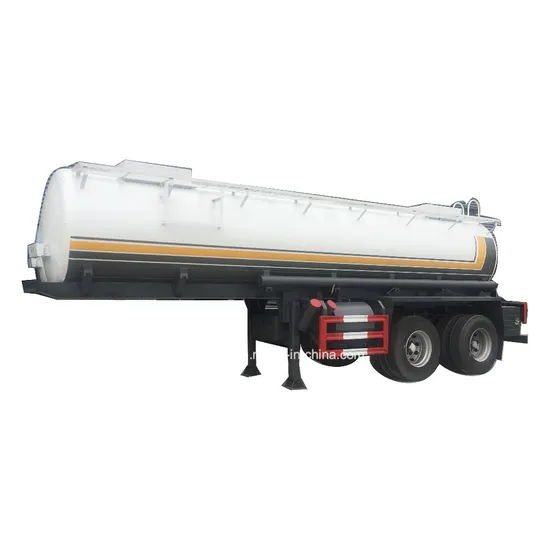
Goods that are corrosive, flammable, toxic, explosive or otherwise dangerous can injure people and destroy property during loading, transport and storage. Because of their special physical and chemical properties, one mistake can cause consequences far worse than an ordinary vehicle accident.
This guide covers general safety principles for operators and fleet managers. It is not a legal reference: always follow the dangerous goods rules that apply on your route, and the instructions of the product supplier.
Packaging, labelling and vehicle choice
Choose a safe form of packaging or containment for the goods, the distance and the road conditions. Containers must be strong and tight, with clear and recognisable markings. Use a vehicle that suits the load; some goods must not be carried on certain vehicle types, and tipping vehicles are generally unsuitable. Never mix goods that react dangerously with each other on the same vehicle.
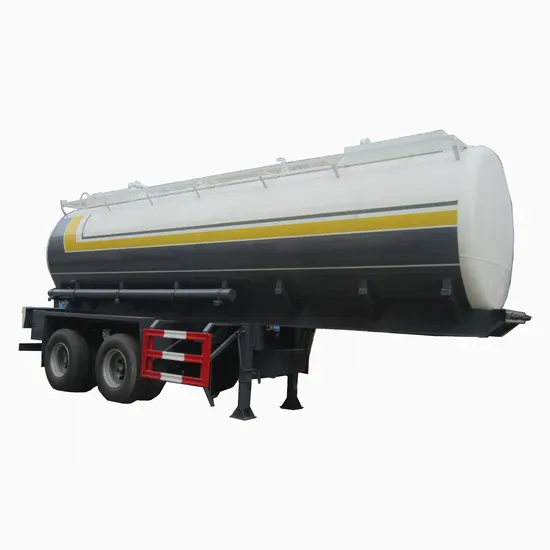
Loading and unloading
- Use a site with suitable road surface, lighting, signs and firefighting equipment.
- Park the vehicle in the open air while loading or unloading.
- Wear the protective equipment required for the product.
- Follow the operating procedure strictly. Handle packages gently, with no dropping, knocking, rolling, heavy loading or turning upside down.
- Cover goods that are sensitive to moisture, stack them neatly and secure them firmly.
Fire prevention
Use non-sparking tools during loading and unloading. No smoking on or near the vehicle, and keep it away from open flames, heat sources and direct, strong sun. For petroleum tankers, connect an earthing lead when parked or loading, and control static electricity as your operating procedure requires.
Driving
Display the hazard markings required for your route. Obey traffic rules, drive at a controlled speed, keep a generous distance from the vehicle ahead and slow down early. Avoid sudden braking and do not overtake in a risky way. A tanker with a liquid load is sensitive to hard braking and sharp steering.
Leaks and spills
The correct response depends on the product. Follow the emergency instructions supplied with the load. In general, move away from the leak, keep people away, keep sources of ignition out of the area, move the vehicle to a safe, ventilated place if you can do so safely, and call the emergency contacts for the goods. Do not improvise a repair.
Parking and cleaning
Do not park a loaded vehicle near schools, markets, public buildings or busy visitor areas. If a stop in such a place cannot be avoided, take extra precautions and obtain the necessary permission. Never leave the vehicle unattended and keep unauthorised people away. After unloading, remove residue and wash and decontaminate the vehicle and tools. A vehicle that has not been thoroughly cleaned must not carry food, medicine, animal feed or live animals or plants.
Working conditions in Africa
Heat can raise the temperature of the tank and cargo and put extra pressure on pipework and seals, so check the equipment often and shade the vehicle while waiting. Rough, unsurfaced roads and rainy-season mud can make braking and steering harder and wear fittings faster, so inspect valves and connections more frequently. Long distances between towns often mean emergency help is far away, so drivers should carry the correct protective equipment, emergency information and a plan for each trip. Drivers who switch between vehicle types should be trained on the specific tanker before carrying hazardous goods.
Related models
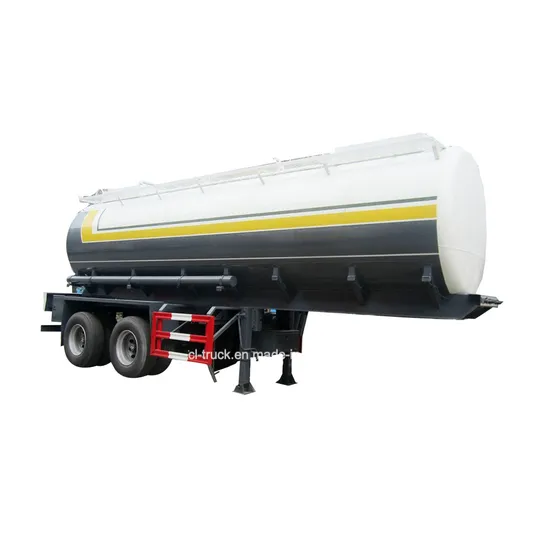
Browse our chemical tank trucks page for the full range. Examples include the 2-axle chemical tanker semi-trailer 30m3, the 2-axle air spring chemical tanker trailer and the stainless steel chemical tanker trailer. To learn more about tanker types and loads, read tanker truck types explained and what tanker trucks carry.
To ask for a quotation, please contact us or message us on WhatsApp.