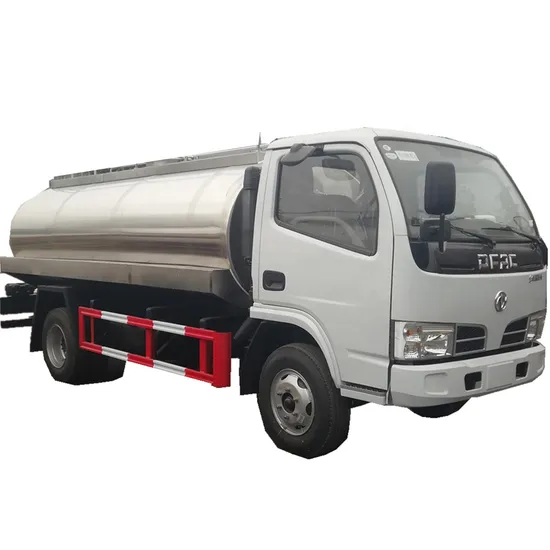
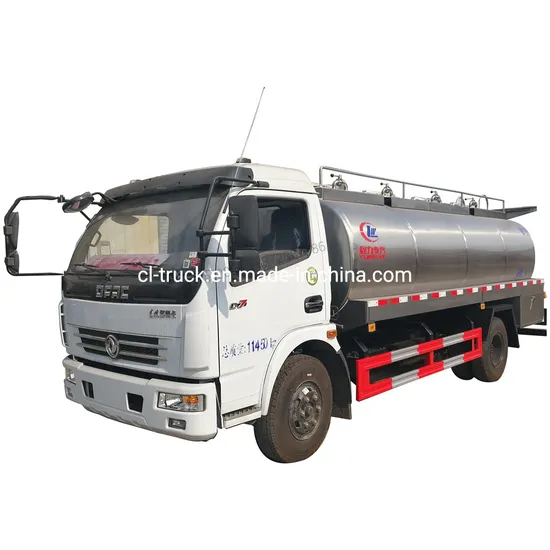
Tanker trucks carry liquids such as fuel, water, milk, edible oil and chemicals, plus liquefied gases like LPG and dry bulk products such as cement or feed. The tank material, fittings and pump are matched to the cargo, so a tanker built for one product usually should not be switched to another.
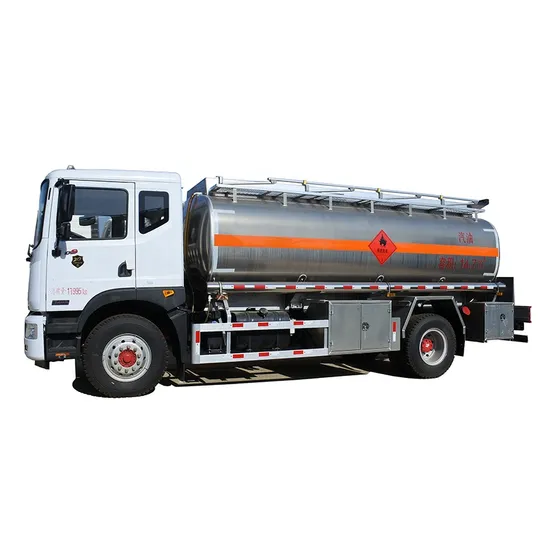
The main cargo families
| Cargo | What the tank needs | Typical vehicle |
|---|---|---|
| Fuels: petrol, diesel, kerosene | Carbon steel or aluminium alloy, compartments, a pump and meter | Fuel tanker |
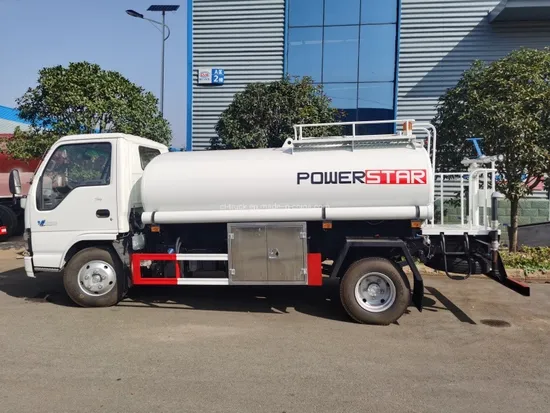
| Water: drinking, washing, dust control | Carbon steel or stainless steel, a water pump, spray gear | Water tank truck |
| Milk and liquid food | Stainless steel, easy cleaning, often insulation | Milk tanker |
| Liquefied gases such as LPG | A pressure vessel with safety valves | LPG tanker |
| Cement, flour, feed | Sealed tank with air discharge | Bulk powder tanker |
| Sewage and sludge | Tank with vacuum pump and large hose | Vacuum truck |
Why the cargo drives the design
Each product sets a few hard requirements. Fuel needs a tank and seals that resist it, and a layout that limits spark risk. Drinking water and milk need smooth, cleanable surfaces. Gases need a vessel that holds pressure. Powders need to be kept dry and moved by air, not a liquid pump. Even the tank shape changes: round or elliptical sections are common, and internal baffles slow the liquid from surging when the truck brakes.
Mistakes when changing the cargo
- Moving food or water after fuel, even in a cleaned tank. Residue and smell can remain in seals and pipes.
- Using a tank beyond its rated pressure or temperature.
- Forgetting that gaskets, hoses and valves must suit the new liquid, not only the shell.
- Ignoring local rules on hazardous goods, which differ from place to place.
Tell the supplier the exact product, its grade and its temperature before ordering, and follow the transport and safety rules that apply where the truck will operate.
Examples from our range
Our fuel trucks include the Dongfeng Aluminum Fuel Tanker Truck 15000L 3 Compartments, which pairs an aluminium alloy tank with up to three sections. Among water tank trucks, the Isuzu Stainless Steel Water Tanker 5000L 4x2 Euro 5 lists a 5,000 litre tank in carbon and stainless steel. In the milk tank truck group, the Dongfeng 4x2 Stainless Steel Milk Tank Truck 5000L is listed with a 5,000 litre stainless steel tank. If fuel is your cargo, see our fuel tanker trucks for sale or the water tanker trucks for sale page.
Frequently asked questions
Can the same tanker carry fuel and water?
It is not advised. Fuel residue stays in the tank, pipes and seals and can spoil water or food later. Use separate tankers for fuel and for water, and tell the supplier the intended cargo before ordering.
Why do tanker bodies have different shapes?
Round sections suit pressure vessels, while elliptical sections lower the centre of gravity for road liquids. The shape also affects how the liquid moves while driving, so it is chosen with the cargo in mind.
Are there tankers for gas?
Yes. LPG and other liquefied gases travel in pressure vessels with safety valves, which are a different design from fuel or water tanks. They fall under strict rules, so follow those where the truck will operate.
What are baffles inside a tank?
Baffles are plates fitted inside the tank that break up the movement of liquid. They reduce surging when the truck brakes, accelerates or turns, which helps keep the vehicle stable. Larger tanks usually have them.