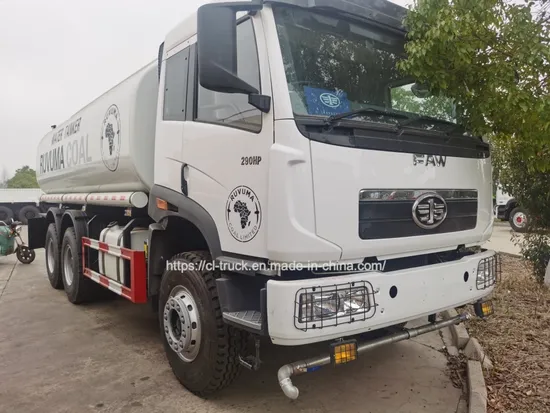
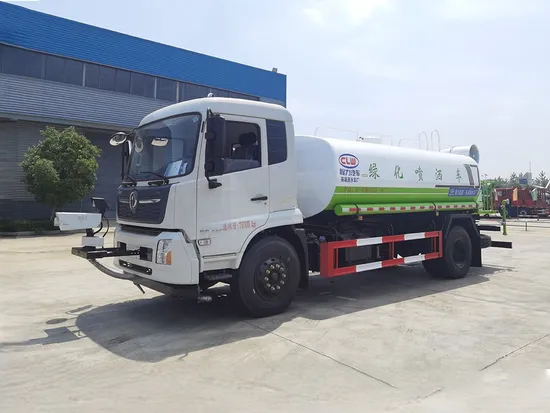
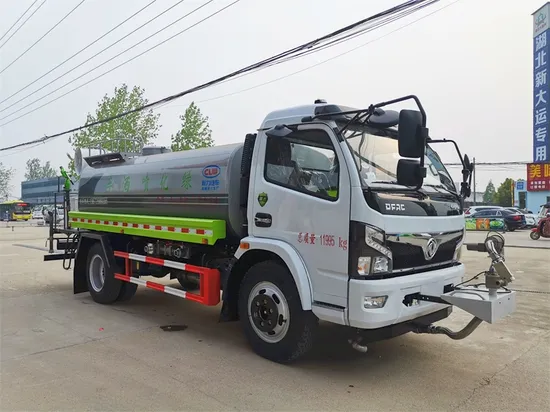
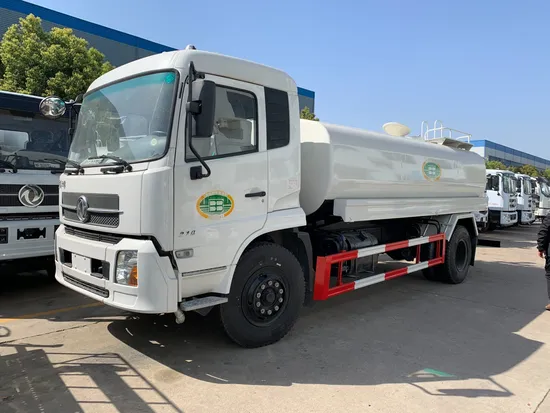
The FAW 20m3 20t Water Transport Truck is a tanker for carrying bulk water, with a tank volume of 20 m³ and a stated water load of 20 tons. It is built on a FAW chassis. The detailed specification for this model, including engine, axles and tank construction, is confirmed in the quotation.
A truck in this class moves water from a supply point to a place that has no pipe network, such as a construction site, a mine, a farm, a village tank or a dust-control route. Because the vehicle is built for transport, its value lies in tank capacity and reliable discharge more than in spraying width.
How a water transport tanker works
Water enters through a top manhole or a filling connection and is held in a steel tank mounted on the chassis frame. Tanks of this kind normally contain baffles that divide the volume, so the water cannot surge from end to end during braking and cornering. Discharge is by gravity or by a pump, depending on the equipment fitted.
Moving 20 tons of liquid puts heavy demands on the chassis. Axle load, braking and tyre rating all matter, and the driver should treat a full tank differently from an empty one. Braking distances are longer, and the centre of gravity of a tall tank is high, so corners should be taken slowly.
Typical working routines
A typical day involves a loading point such as a hydrant, a reservoir or a river intake, and one or more delivery points. The crew fills, drives, discharges and returns. Shorter cycles mean more loads per day, so the distance between filling and discharge points decides how many trucks a project needs.
For construction or mining dust control, a truck may also feed a spray bar or hose. Whether this model carries a pump, spray bar, cannon or hose reel is confirmed in the quotation. Ask for the equipment you need rather than assuming it is included, and describe the job so the correct fittings can be proposed.
Maintenance and daily checks
Before each shift check tyre pressure and condition, brake operation, oil and coolant levels, and the tank for leaks around the manhole seal and outlet valve. Walk around the truck and look at the spring and mounting points, since a loaded tank puts steady stress on them, particularly on rough site roads.
Clean the filling inlet screen if one is fitted, flush the tank at intervals to remove sediment, and keep the discharge valve greased so that it closes fully. If the truck will carry water for drinking supplies, ask whether the tank interior is suitable and keep it separate from other liquids.
What to confirm before ordering
Ask the quotation to list the engine model and power, the emission standard, the drive layout, the wheelbase, the tyre size and the gearbox. These details are not stated on this page, and they determine whether the truck suits your roads and loads. Request a clear statement of the gross vehicle weight as well.
Also confirm the drive side, left or right, the tank material and wall thickness, the pump and discharge fittings, and whether a spray or cannon is included. State the water source, the filling method and the typical haul distance, so the quotation matches the real job and the truck arrives ready to work.
Request a current quotation for your selected configuration, quantity and delivery terms.