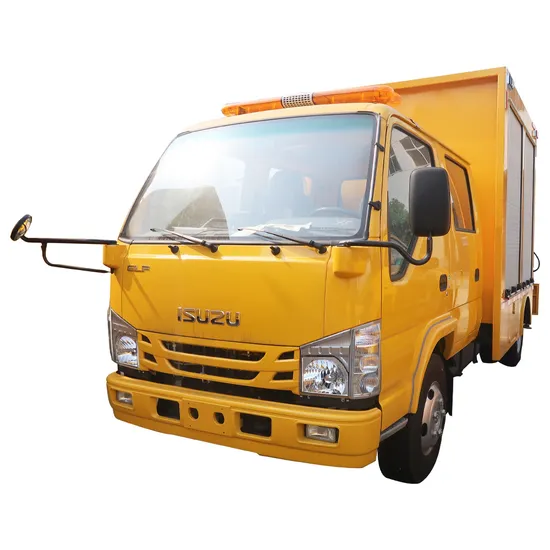
The Chengliwei Isuzu Double Row Emergency Rescue Vehicle is a rescue and emergency support vehicle built on an Isuzu chassis with a double row cab. It uses a diesel engine to the Euro 5 standard with a manual gearbox, and rides on 7.00R16 tyres, six fitted plus one spare.
The double row cab seats more people than a single row cab, which matters when a rescue crew must arrive together with their kit. The vehicle suits fire stations, industrial plants, emergency response teams, road maintenance operators and municipal departments that need a crew carrier with space for equipment.
Where this vehicle is used
Emergency rescue work is unpredictable, so a vehicle of this type works as a mobile base: it brings the crew, tools and supplies to an incident and gives them a place to keep equipment organised. Typical incidents include road accidents, industrial emergencies, flooding and building collapse, though the equipment on board depends on what you plan to carry.
Between callouts, the vehicle can serve for training or standby duty at a site. Keeping the rescue tools in one vehicle makes response quicker, since the crew knows where each item is. We suggest listing the incidents you handle most often before choosing the interior layout, so that the space is arranged around real tasks.
Chassis, engine and cab
The chassis is Isuzu, with a diesel engine to the Euro 5 standard and a manual gearbox. Tyres are 7.00R16, with six on the road and one spare. Diesel power and a manual gearbox are familiar to most workshops and drivers, which keeps training and routine servicing straightforward.
The cab is a double row layout with a second row of seats behind the driver. Colour is chosen by the customer. Engine power, wheelbase and overall dimensions depend on the chassis configuration you select, and we confirm them in the quotation so you can check access to stations, garages and narrow streets.
Equipment and body planning
The rescue equipment fitted behind the cab is agreed with you individually. Items such as lighting, warning signals, storage and power supply are decisions we make together, and nothing is assumed. Send us your equipment list and we will check how it can be laid out and secured in the body.
Weight matters. Heavy tools should be stored low and close to the axle, and loose items need secure fixings so that nothing moves during braking or on rough roads. Tell us the weight of the tools you plan to carry so that we can discuss loading against the limits of the chassis.
What to confirm before ordering
Please confirm the drive side you need, left or right, and whether Euro 5 matches the rules that apply to your fleet. Engine power, wheelbase and rated payload are confirmed in the quotation for your chosen configuration, so tell us the heaviest load you expect the vehicle to carry.
Send us your equipment list, the number of crew who will ride in the cab, and your colour choice. If you have height or width limits at your station or on your routes, include them too. We will check the proposed body against them and describe the final layout in the quotation.
Request a current quotation for your selected configuration, quantity and delivery terms.