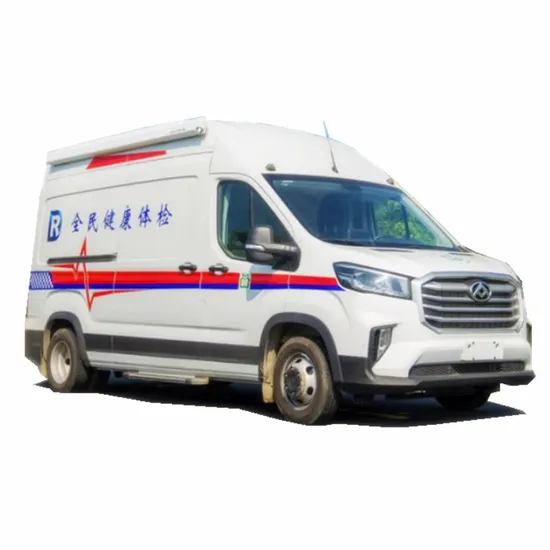
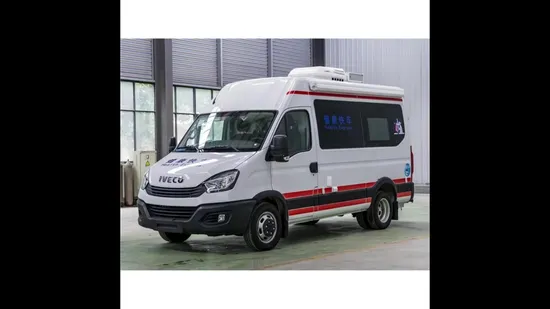
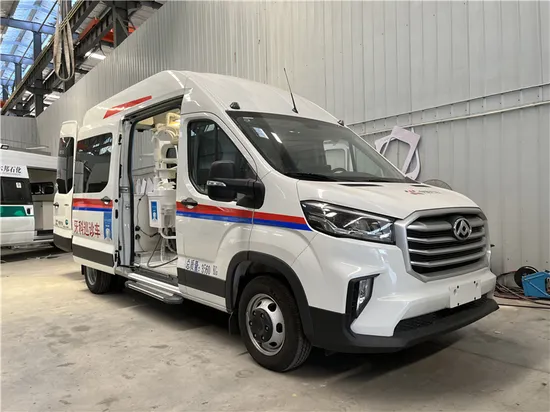
The Saic Maxus V90 Medical Examination Vehicle Type B is a van-based mobile examination unit, model code CLW5049XYL. It is built on a Saic Maxus V90 platform with a diesel engine rated at 110 kW (149.6 PS). Overall length is 5940 mm, width is 2110 mm and height is 2750 mm.
It is meant for clinics, hospitals, health programmes and companies that need to take examination services to workplaces, schools, villages or event sites. A van-sized vehicle is easier to drive and park than a bus-sized unit, while still giving room for a consulting area when the interior is fitted out properly.
Where this vehicle is used
Mobile examination vehicles go to places where a fixed clinic is far away or too small. Typical work includes routine check-ups, screening days, pre-employment examinations and follow-up visits. The vehicle arrives, parks, and the team opens for patients without needing a building or a large setup.
A regular route can be planned around the vehicle, with set stops on certain days. Because the body is compact, it can enter many yards and car parks. Please send us the narrowest gate or the lowest overhead point on your route so the height of 2750 mm can be checked.
Chassis and dimensions
The wheelbase is 3760 mm. The front overhang is 1020 mm and the rear overhang is 1160 mm. Total mass is 4495 kg, curb weight is 4100 kg, and axle loads are 1750 kg at the front and 2745 kg at the rear. Those numbers help in planning interior weight.
The engine code is SC20M150Q6, with a power output of 110 kW, equal to 149.6 PS. Because medical fittings add weight, the balance between the front and rear axles matters, and we advise you to list any heavy items such as generators or refrigerators before the layout is finalised.
Interior planning
The Type B designation refers to the vehicle configuration in our range, and the exact interior depends on the work you plan. Consider a reception point, an examination bed or chair, a desk for records, storage for consumables and a place for staff to wash their hands. Lighting and power outlets also deserve attention.
The best layouts keep patient flow simple: a clear entry, one examination zone and a clear exit. Tell us what examinations you want to perform and what equipment you already own, and we will help you check whether it fits in the available floor area before the build starts.
What to confirm before ordering
Please confirm the drive side. The vehicle is normally supplied left-hand drive, and right-hand drive can be arranged on request. Confirm the emission standard needed on your roads, the gearbox type and the colour. Customisation is available, and each choice is written into the quotation.
Confirm the medical equipment too: examination furniture, lighting, air conditioning, a generator or external power connection, water supply, storage and any accessibility aids such as a lift or ramp. Equipment supplied by you needs its size and weight checked against the interior plan before the body is built.
Looking after the vehicle
Before each outing, check engine oil, coolant, tyres, lights and brakes, as with any commercial van. Then check interior power, lighting, water and storage so the team can start work immediately on arrival. Keep a log of problems found, and fix them before the next trip.
Clean the interior after each session and disinfect the surfaces where patients sit or lie. Weigh the equipment you add over time, because extra items can shift the vehicle towards its limit. Stay within the mass figures confirmed in the quotation to protect the tyres and the axles.
Request a current quotation for your selected configuration, quantity and delivery terms.