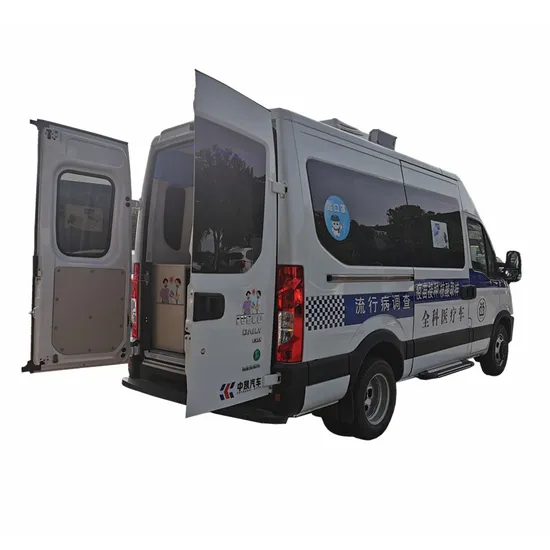
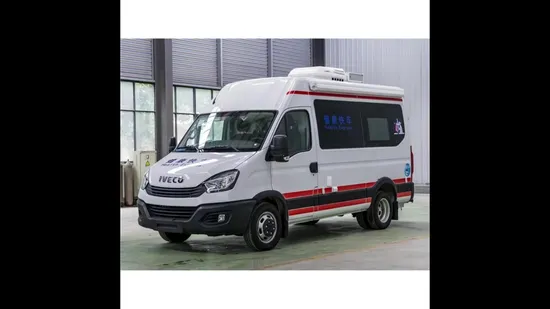
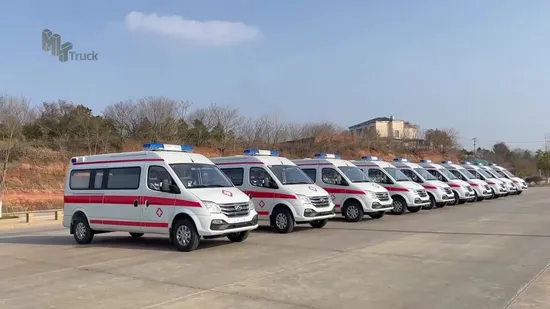
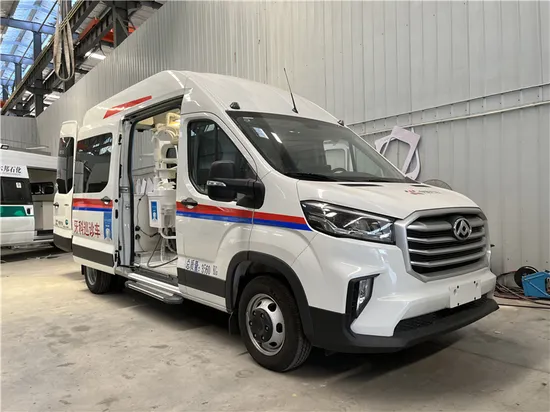
The Positive Pressure Nucleic Acid Sample Collection Vehicle is a mobile sampling unit designed for taking and handling swab samples where the people working inside need protection. It can also be used for mobile vaccination. The positive pressure design keeps the air pressure inside the working space slightly above the outside air.
It suits health authorities, hospitals, laboratories and event organisers who must set up testing or vaccination points quickly and move them between sites. Because the vehicle brings its own enclosed workspace, the team does not depend on a building being available at each location.
How positive pressure protects staff
In a positive pressure space, filtered air is blown in so the inside pressure stays a little higher than the surroundings. When a door or window opening is used, air tends to move outward rather than inward. That reduces the chance of unfiltered outside air, and anything carried in it, reaching the staff.
This approach is common in sampling cabins, where the operator and the person being sampled are separated. The exact air handling, filters, door arrangement and fan capacity depend on the configuration you choose, and we confirm them in the quotation instead of listing figures that might not match your build.
Typical working routines
A normal day starts with parking the vehicle on level ground, switching on the air system and letting the cabin pressure settle before the first person is sampled. Staff then work through the queue, label and store samples, and clean the working surfaces between visits following your own health procedure.
For vaccination use, the same space can serve as a clean station for preparing and giving injections. Where a site needs both functions, the layout of tables, seating and storage should be planned in advance, so that people and samples move in one direction and do not cross.
Planning the interior
Interior layout is the main decision on a vehicle of this kind. Think about where the registration happens, whether the sampler works through a window or inside the cabin, and where samples are held until collection. Cold storage, hand washing and waste handling may also need space.
Tell us how many staff work in one shift and how many people you expect to serve per hour. These numbers help us propose a realistic arrangement of work surfaces, lighting, sockets and seating. We do not list equipment that is not part of your agreed specification.
What to confirm before ordering
Please confirm the chassis you need, the drive side, the engine and emission requirements, and the overall size limits on your routes. The truck is normally supplied left-hand drive, and right-hand drive can be arranged on request. Each of these points is written into the quotation.
Confirm also the equipment inside, including the air system, lighting, power supply, air conditioning, storage and any communication or display devices. If your health authority has a required layout or a list of approved equipment, send it with your enquiry so our team can build the quotation around it.
Care and daily checks
Before each deployment, check that the air system runs, that door seals close tightly and that the lights and power connections work. Replace filters at the interval agreed with the equipment maker, since a loaded filter reduces airflow and weakens the pressure difference.
After each shift, clean and disinfect the interior with products suitable for its surfaces, dispose of waste according to your rules, and note any faults in a log. Regular chassis servicing matters too, because a vehicle that moves between sites is only useful if it starts every morning.
Request a current quotation for your selected configuration, quantity and delivery terms.