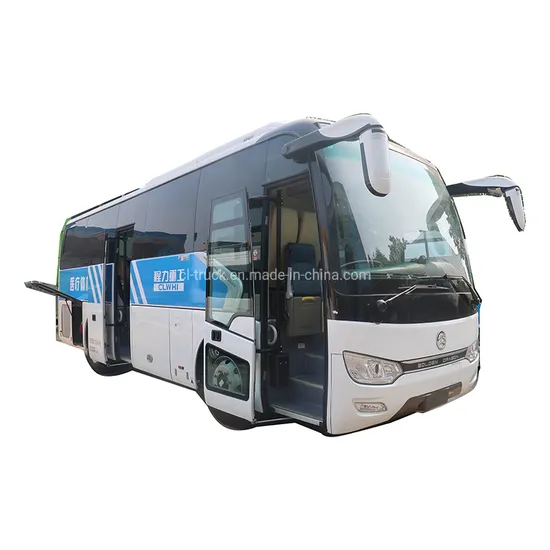
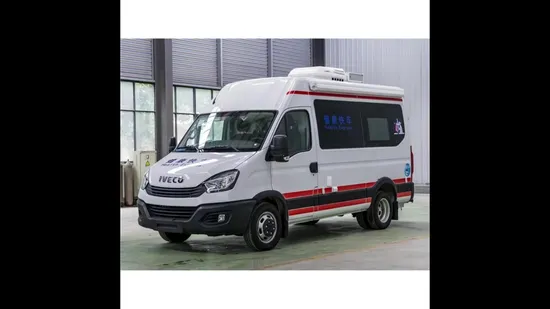
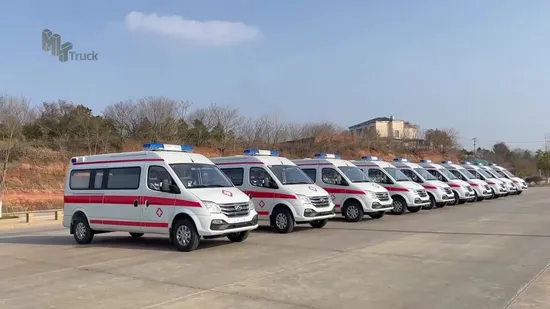
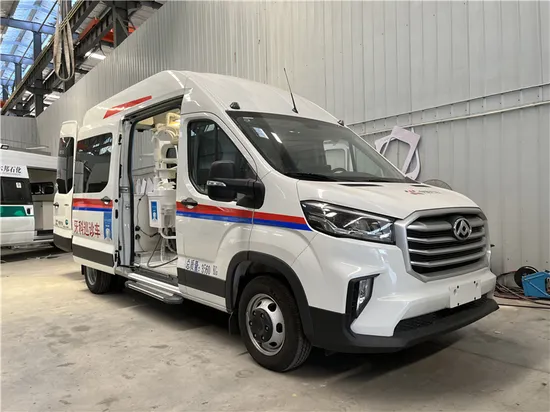
The Medical X-Ray Examination Bus Euro 6 260-310HP is a large mobile medical examination vehicle, 8 to 15 metres long, with an X-ray unit on board. A six cylinder turbocharged diesel with a rated power of 199kW or 271HP, a left hand drive cab with power steering and air conditioning, and air brakes make up the chassis. Overall length and width are about 8995 × 2500 mm, and body height is confirmed in the quotation. Left-hand drive is standard, and right-hand drive is available on request.
It is intended for public health programmes, hospitals and employers that run screening campaigns for large groups, and that need an examination bus that can be driven from site to site.
Equipment on board
The main equipment includes an X radiographic diagnosis unit, one unit; an electric audiometry room measuring 800 × 1100 mm; a refrigerator, one unit; a disinfection lamp, one unit; and air conditioning. These make up a basic screening bus where chest radiography, hearing tests and other checks can be done in one vehicle.
The model and power rating of the X-ray unit, the shielding of the radiography room, the layout of the interior and the cargo box dimensions are confirmed in the quotation. Because radiography needs shielding, a suitable power supply and trained staff, ask for these to be described in detail in the quotation.
Chassis, engine and drivetrain
The engine is a six cylinder, turbocharged, inter-cooled diesel with a displacement of 6.234L and a rated power of 199kW, equal to 271HP. The emission standard is Euro 6. The wheelbase is 4300 mm and the curb weight is about 11200 kg. The brake system is air operated and the wheels are fitted with 10R22.5 tyres.
The cab seats three people. The cabin has left hand drive, power steering and air conditioning. A vehicle of this weight and length needs a trained driver and a route check for bridges, turns and height limits.
Planning for radiography on a bus
An X-ray bus has two main requirements beyond a normal truck: electrical supply and radiation control. The unit needs a stable power source, either from a generator on the vehicle or from a mains connection at the site. The radiography room needs shielding so that staff and the public outside the bus are protected. The layout should place the operator behind a barrier or in a control area and keep the public away from the beam path.
Ask who is responsible for designing the shielding, what testing is done, and what documents you will receive. Your health authority may also set rules for operators, dose records and parking distances.
Matching the bus to your job
Think about patient flow: how people queue, undress where needed, are examined and leave. Plan the order of stations to avoid backtracking in a narrow aisle. Think also about sites. A bus 9 metres long needs a firm, level standing area with space for the queue, and on many sites a ramp or steps for access.
What to confirm before ordering
The transmission type, the air conditioning capacity and the cargo box dimensions are confirmed in the quotation.
Please also confirm the X-ray unit and its rating, the shielding, the generator, the interior layout, the audiometry room, the transmission and the colour. When these are written into the quotation, we can check the finished vehicle against them.
Request a current quotation for your selected configuration, quantity and delivery terms.