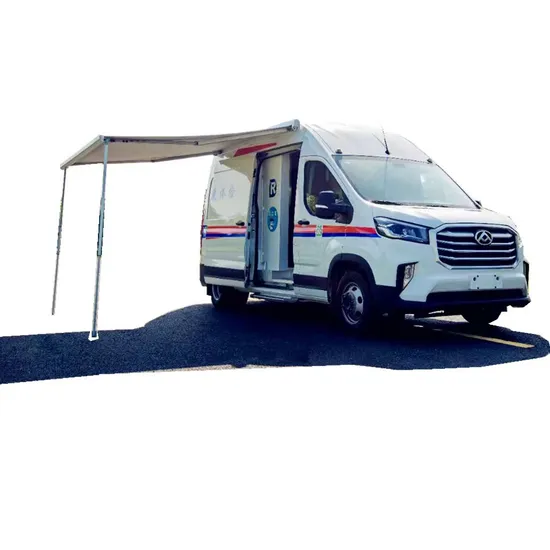
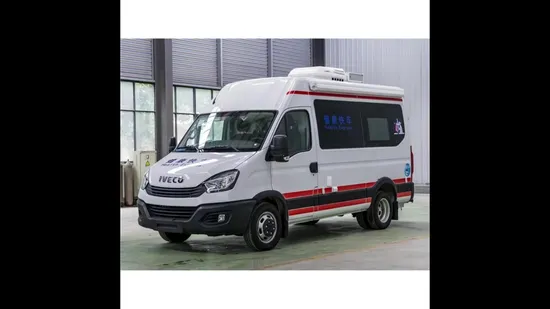
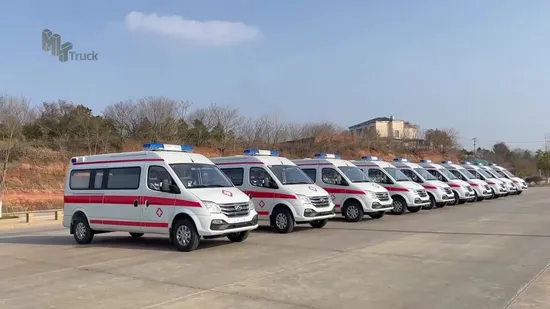
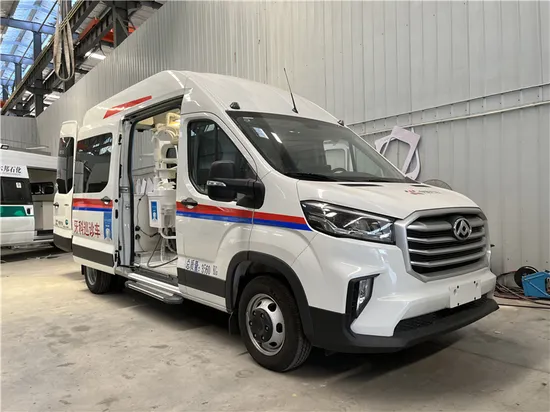
The Community Medical Examination Vehicle 110kW is a compact mobile unit designed to carry health checks to the places where people already gather. It is powered by engine model SC20M150Q6 rated at 110kW (149.6 PS), and its body measures 5940×2110×2750mm, which keeps the vehicle small enough for narrow streets and residential compounds.
It suits community hospitals, clinics and health centres that want to run regular check-up days, follow-up visits and basic examinations without building a permanent room. The smaller size also makes it easier to park near housing blocks, schools and workplaces than a full-size examination bus, so staff can reach residents close to where they live.
Where this truck is used
A vehicle of this size is typically parked at the edge of a housing estate, beside a community hall or at a workplace entrance for a day of examinations. Staff set up a small reception point outside, bring people through the cabin one at a time and record results on the spot.
Regular visits matter more than capacity here. A vehicle that arrives on the same weekday at the same place becomes familiar to residents, which raises attendance for routine checks. Its compact footprint and total mass of 4495kg help the team plan routes and parking without the clearances heavier vehicles often need.
Chassis, engine and drivetrain
The chassis uses engine model SC20M150Q6, rated at 110kW, which is 149.6 PS. The wheelbase is 3760mm, with front and rear overhangs of 1020mm and 1160mm. Total mass is 4495kg against a curb weight of 4100kg, and the axle loads are 1750 at the front and 2745 at the rear.
Those figures matter when you plan the interior. With a curb weight of 4100kg, the weight of cabinetry, equipment and crew has to stay within the total mass, so we check the layout with you before building. Gearbox type, emission standard and drive side are confirmed in the quotation to suit your registration requirements.
Matching the truck to your job
Think about how many people you expect to examine per day and how many staff will work inside. A compact cabin suits a doctor, a nurse and one or two patients at a time. If your programme needs several stations running in parallel, tell us and we will discuss whether this size is right or whether a larger vehicle is better.
Also consider where the vehicle will stand. Level, hard ground makes entry easier for elderly visitors, and a wheelbase of 3760mm helps with turning in tight yards. Compare the overall dimensions of 5940×2110×2750mm with gate widths, covered parking and overhead obstacles at the sites on your route.
Interior and equipment planning
The examination equipment fitted inside depends on the services your clinic offers, such as general check-ups, screening or follow-up consultations. We discuss the list with you and place each item with attention to weight, cable routes and the space staff need to move around a patient, so the cabin remains practical during a full working day.
Electrical supply is another point to settle early. Tell us whether the vehicle will connect to an external supply at each site or needs to work independently, and which devices run at the same time. That information lets us size the wiring and sockets sensibly instead of leaving staff with extension leads across the floor.
What to confirm before ordering
Please confirm the drive side, the emission standard required for registration, and the equipment you want installed. We also need to know the number of staff, the typical number of examinations per day and any seating or privacy arrangements you need. These details shape the layout and are written into the quotation so that nothing is left open.
Share the roads and sites where the vehicle will run, including gate widths, gradients and parking surfaces. If you operate other community vehicles, tell us the colours and markings you use, and we will discuss how to match them. Optional equipment and finishing details are confirmed with you before production begins.
Request a current quotation for your selected configuration, quantity and delivery terms.