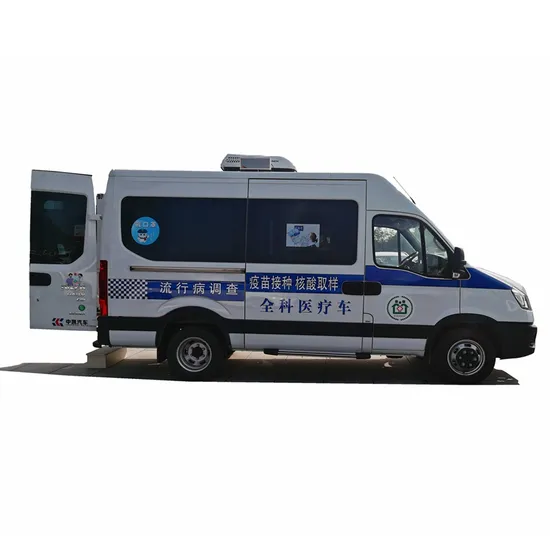
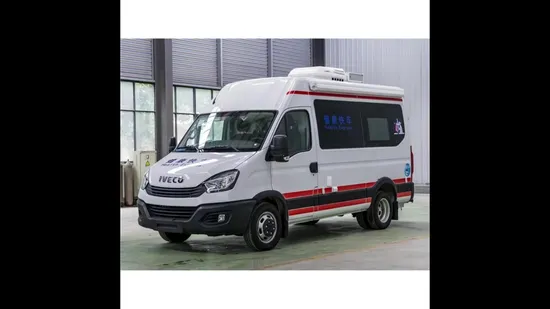
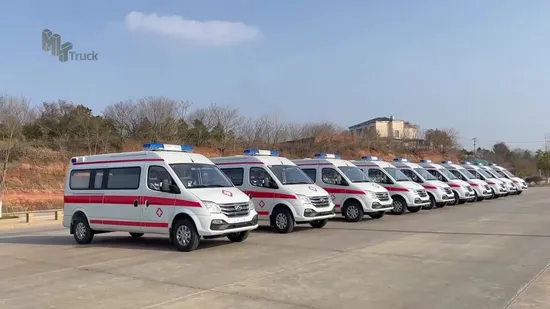
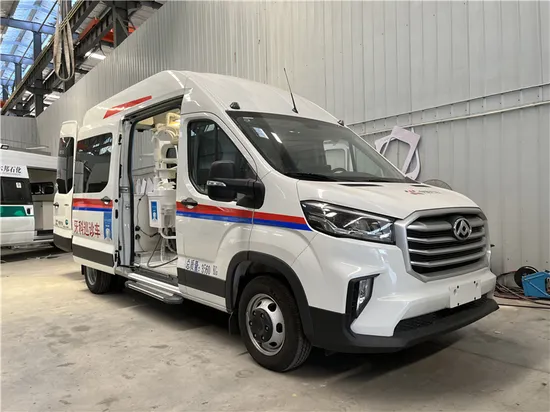
The 6-Wheel Nucleic Acid Detection Sampling Vehicle is a six-wheel diesel vehicle with a manual gearbox, built by our team under the CLW name as a mobile point for collecting nucleic acid test samples. It suits health agencies, hospitals and testing organisations that need to take sampling work to car parks, workplaces, schools and community sites instead of waiting for people to come to a fixed building.
A sampling vehicle of this kind gives staff a sheltered, self-contained place to work. Instead of setting up tents and tables each time, the team drives to the site, opens up and begins registering and sampling. Because the vehicle moves between sites, the same crew can cover several locations in one shift with consistent working conditions.
Where this truck is used
Typical use is on scheduled sampling rounds. A route is planned across several neighbourhoods or work sites, and the vehicle stops at each one for a set period. Public health teams, hospital outreach groups and company medical staff can use the same platform, because the interior can be arranged to match the sampling procedure they follow.
The vehicle also works as a standby unit. When a screening campaign needs extra capacity at short notice, a mobile unit can be placed beside an existing facility to add sampling lanes. Between campaigns it can be parked at the depot, checked and prepared for the next assignment without any building work.
Chassis and drivetrain
This model runs on a diesel engine with a manual transmission, which is a familiar combination for drivers and workshops. The six-wheel layout is part of the model name, and the vehicle is offered under our CLW brand. Engine output and the exact body dimensions are tied to the configuration chosen, so we fix them in the quotation.
Because the vehicle works as a sampling room as much as a transport vehicle, the chassis choice affects ride comfort, floor height and the room available inside the body. Our team goes through your road conditions, the number of staff who will ride in the vehicle and the equipment you plan to carry before we confirm the final layout.
Interior layout and equipment
Customisation is available for this vehicle, and the interior is where it matters most. Sampling positions, counters, storage for consumables, waste handling and the route that people walk through the vehicle can all be arranged around your procedure. We ask how many samples you expect per hour and how many staff work inside, then draw the layout.
Medical and testing equipment is fitted according to your requirement rather than being fixed in advance. That lets a hospital bring its own instruments, or lets a testing organisation specify exactly what it wants installed. We list the fitted items in the quotation so that you can compare them against your own sampling checklist before you approve the build.
What to confirm before ordering
Before ordering, confirm the drive side, since left-hand and right-hand layouts depend on the road rules where the vehicle will operate. Also confirm the emission standard required for registration, the engine output you need, and the overall length and body dimensions, which are all settled in the quotation for your configuration.
Then list what the vehicle must carry: the number of staff, the equipment fitted inside, power needs on site and any exterior markings or colour. Sending these details early lets our team prepare a drawing and a configuration list, and it avoids changes after the build has started. Ask us any question about daily use at the same time.
Request a current quotation for your selected configuration, quantity and delivery terms.