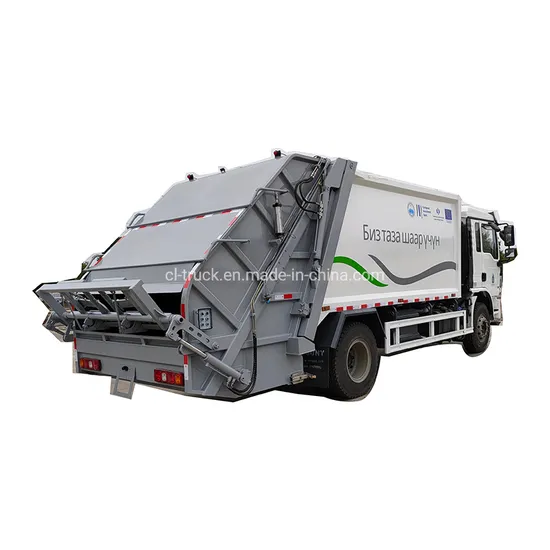
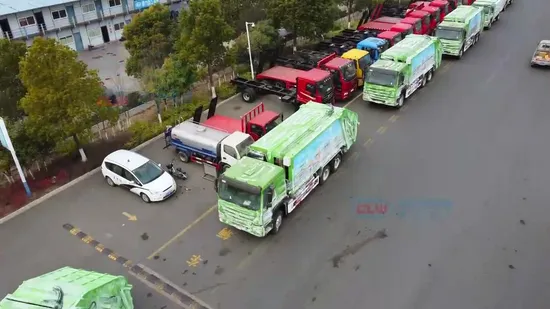
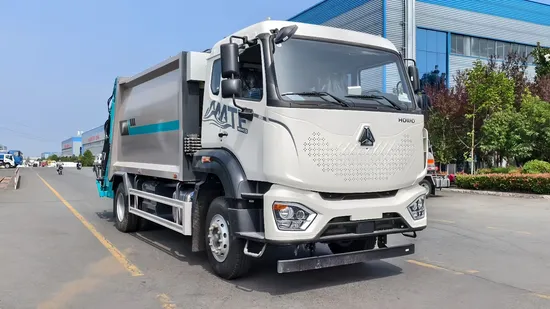
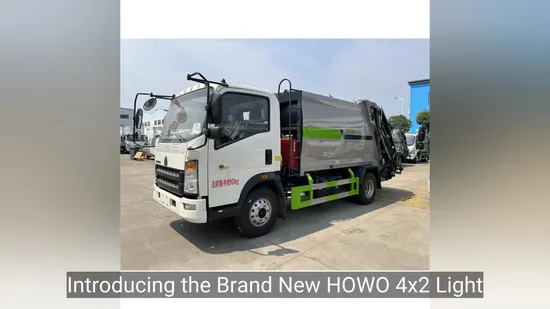
The Shacman L3000 4x2 Heavy-Duty Garbage Compactor Truck pairs a Shacman L3000 chassis with a refuse compaction body and a Weichai WP6.210E32 diesel engine. It has a 4×2 drive layout, a manual gearbox and a flat-top sleeper cab for three, with left-hand drive and right-hand drive on request. Overall size is 8750 × 2540 × 3400 mm. It is aimed at cleansing departments and waste contractors who want a medium-to-large compactor for scheduled street and bin collection.
Matching the truck to your job
Start with the route, not the truck. A 4×2 compactor works best where roads are paved, the distance to the disposal point is moderate and the crew makes several stops per kilometre. Count the number of pickup points, the type of container used and the typical weight of waste per stop. These figures tell you how fast the body will fill and whether the volume suits one shift. Capacity and payload depend on the configuration and are confirmed in the quotation, so use your own route figures to decide what the quotation must state.
Cab and operator features
The cab is a flat-top type with a sleeper, power steering and an air conditioner, and it seats three people. That suits a driver and two loaders, a common crew for kerbside collection. Seat comfort and heating or cooling matter on long shifts, as does visibility around the rear, so ask about mirrors, cameras and reversing alarms. Controls for the compactor should be placed where the crew can reach them from the working position without climbing.
Engine and running gear
The Weichai WP6.210E32 is a six-cylinder, turbocharged and intercooled diesel of 6230 ml, rated at 210hp. The gearbox gives eight forward gears and one reverse, the wheelbase is 5000 mm, and the tyres are 10.00R20 with six fitted plus one spare. Gross vehicle weight is approximately 18000 kg and net weight approximately 9700 kg. The top speed is 90 km/h, though refuse collection involves frequent stopping, so low-speed pulling power and brake wear matter more in daily use.
How the compaction body works
Waste is loaded into the rear opening by hand or with a bin lifter. A hydraulic blade then sweeps the material forward and presses it against the load already in the body, so each trip carries far more than an open truck could. The crew repeats the cycle at every stop, and the operator unloads at the disposal point by opening the rear door and pushing the packed waste out. Daily checks of hydraulic oil, hoses, seals and warning lights keep the cycle smooth and reduce unplanned stops during a shift.
What to confirm before ordering
The emission standard, the payload and the body volume depend on the configuration and are confirmed in the quotation. Confirm those three items, plus the drive side, the lifting device for containers, and the optional equipment such as cameras and lights. Tell our team about your route, the container types and the kind of waste, so the body and loading system match your daily work.
Request a current quotation for your selected configuration, quantity and delivery terms.