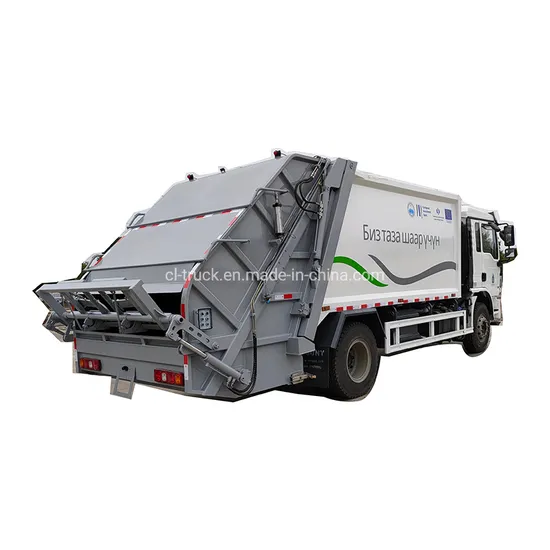
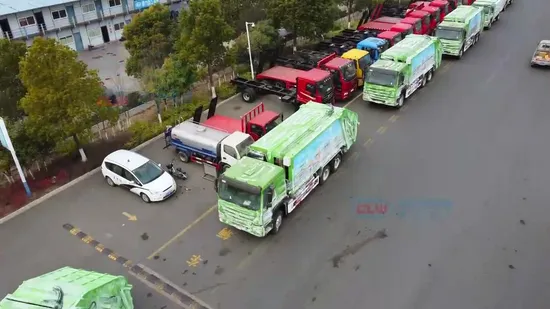
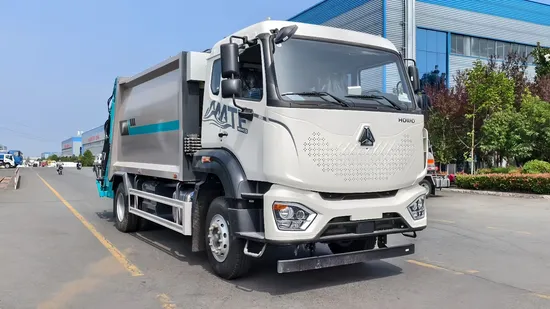
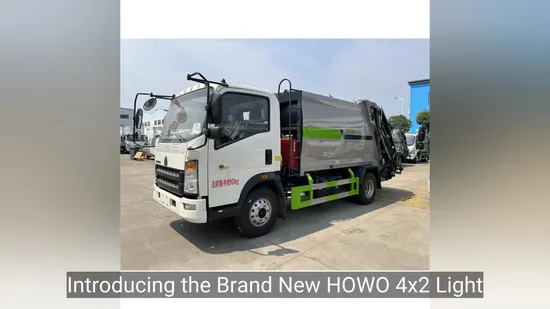
The Shacman 4x2 6-Wheel Compactor Garbage Truck is built on the Shacman L3000 chassis with a 4×2 drive layout and a straight-six Weichai WP6.245E50 diesel rated at 245 HP. It carries a compression-type refuse body and rolls on six wheels, with a seventh as a spare, which gives a compact, manoeuvrable package for daily waste collection.
This truck is aimed at sanitation companies, municipal cleaning teams and waste contractors who need a medium-sized compactor that can work through busy streets and still carry a worthwhile load. It comes with the H3000 cab, air conditioning and power steering, so drivers spend long collection shifts in reasonable comfort.
Where this truck is used
A six-wheel compactor of this size fits the middle ground between small tipper-style collectors and heavy articulated refuse vehicles. It is used on residential rounds, commercial streets, markets and campus or industrial estate collection, where bins are emptied one after another and the body compresses each load to leave room for the next.
With a wheelbase of 5000 mm and an overall length of roughly 9200 mm, it needs reasonable turning space. Before you choose it, think about the tightest lane or yard your crews must enter. A body with a sewage tank of 200 L also suits routes where wet waste leaks, since liquid is collected rather than left on the road.
Chassis, engine and drivetrain
The engine is a four-stroke, water-cooled, turbocharged and inter-cooled diesel with six cylinders in line and a displacement of 6.75 L. Maximum output is 180 kW, equal to the 245 HP rating. A manual gearbox with 9 forward gears and 1 reverse sends power to the rear axle, and steering is power assisted.
The front axle is rated at 4.8 tons and the rear axle at 10 tons. Tyres are 10.00R20, with six on the vehicle and one spare. Approximate curb weight is 11300 kg. These figures help when you compare the truck with the axle load rules on your own roads, and we can supply a weight check if needed.
Tank and body configuration
The refuse body is made from steel plate with a side thickness of 4 mm and a bottom thickness of 5 mm, a sensible build for a body that is compressed, filled and tipped many times a day. Hydraulic system pressure is approximately 16 MPa, which drives the compaction and discharge movements.
Loading takes about 30 to 40 seconds per cycle and unloading about 40 to 50 seconds. These cycle times matter on a long route, because a crew that waits less at the hopper can complete more stops per shift. The separate sewage tank holds 200 L and is emptied during routine cleaning at the end of the working day.
What to confirm before ordering
Please confirm these points with us in the quotation. The model is supplied with left-hand drive, and right-hand drive is available on request, so tell us the steering side you need. Confirm the emission standard required for registration, the exact body volume and the payload you plan to carry, as they depend on the configuration chosen.
Also ask about body colour, optional equipment and the hopper arrangement you prefer. Describe your waste type, whether it is mostly dry household refuse or wetter food waste, and your daily route length. With that information we can check that the engine, axles and body suit your service pattern before you place the order.
Request a current quotation for your selected configuration, quantity and delivery terms.