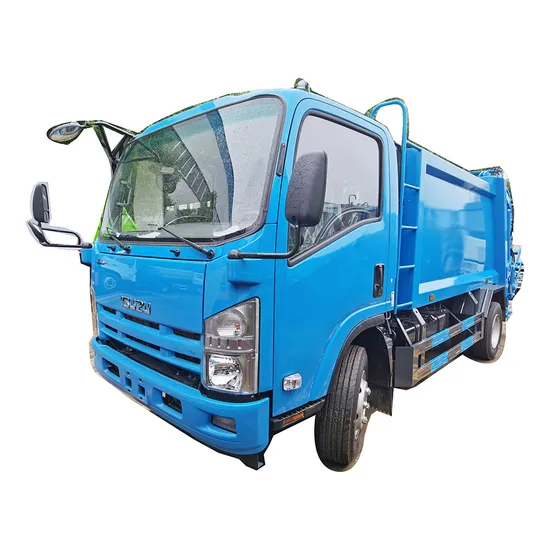
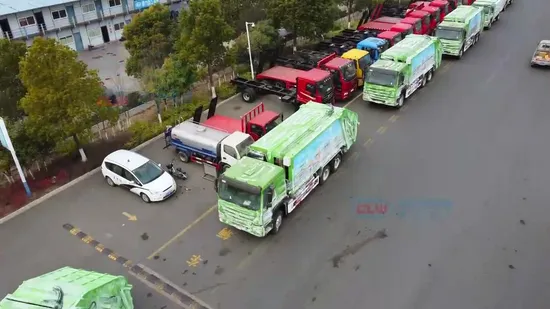
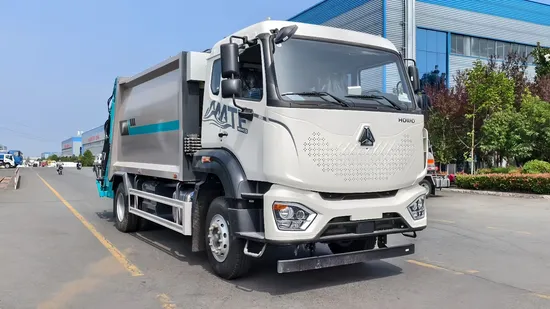
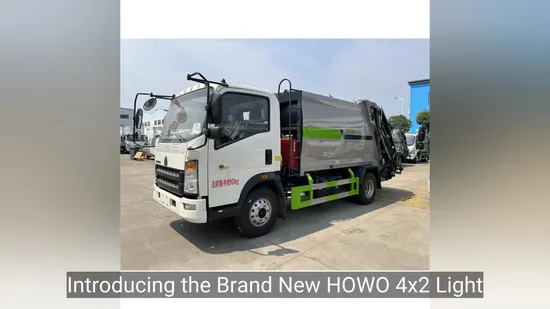
The Isuzu 700P Garbage Compactor Truck, model CLW5080ZYSQ5, is a 4x2 refuse collector with a left-hand-drive cab, an air brake system and a compression body offered in 5m3, 6m3 and 7m3 sizes. It is aimed at municipal sanitation services and private collection companies that need a small to medium compactor for streets, estates and commercial areas with limited access.
Chassis, engine and drivetrain
This version has a 190hp engine, and the exact engine model is confirmed in the quotation. The gearbox has five forward gears and one reverse, steering is power assisted, and the brakes are an air system. Axle ratings are 4 tons at the front and 7 tons at the rear.
Tyres are 215 section, six fitted and one spare, on a wheelbase of 3815 mm, and a 3360 mm wheelbase can also be chosen. Curb weight is 4550 kg and the overall dimensions are 6710 × 1880 × 2600 mm. Because axle ratings and braking can differ between 700P versions, do not assume parts or accessories are interchangeable between them.
Body and compaction system
The body is a rear-loading compactor with a 1.2 cbm hopper. Loading takes 8-10 seconds, and a full loading cycle takes 50-60 seconds per turn. A hydraulic system at 16 MPa drives the compaction and tipping. The body plate is 4 mm on the sides and 5 mm on the bottom, and unloading is by dump in 30-40 seconds.
A 200 L sewage tank collects liquid squeezed from the waste. Because compression makes wet waste release more liquid, it is a good habit to drain the tank at a known point, away from drains that lead to watercourses, and to clean the tank outlet regularly.
Matching the truck to your job
The three body sizes serve different routes. A smaller body suits short routes with many narrow stops. A larger body reduces the number of trips to the tipping point on longer routes. The best choice depends on the waste produced per round, the distance to disposal and the axle load that is acceptable on the roads you use.
Because a compactor is loaded by volume but travels by weight, a larger body can reach its axle limits before it is full if the waste is dense. Ask for the finished vehicle's axle load figures with your preferred body size, so you can compare them with your road regulations before deciding.
Cab features and daily operation
The cab is equipped with a sound system and parking sensors, and an air container is fitted. As this is a manual truck, the driver will be changing gear frequently, and a clean, well-adjusted clutch matters on stop-start routes. The air brake system also needs the daily habit of draining condensation from the air tanks.
Check tyre pressure and tread before every shift, since the truck is loaded unevenly during collection, with the weight shifting rearwards as the body fills. Keep the spare tyre fitted and inflated, as part of the standard set.
Training new drivers on this model should include the unloading routine. Drive to a level tipping area, apply the parking brake, check that nobody stands behind the tailgate, and raise the body slowly. Lower it fully before moving off, because a body left partly raised changes the height of the truck and the balance of the chassis.
What to confirm before ordering
The engine model, body volume, payload class and emission level depend on the configuration and are confirmed in the quotation. Ask for the engine model and the emission standard to be named in writing.
Also confirm the chosen body size, the wheelbase, the drive side and any optional equipment, and keep a copy of the quotation with the model number CLW5080ZYSQ5 so that it can be matched to the vehicle details later.
Request a current quotation for your selected configuration, quantity and delivery terms.