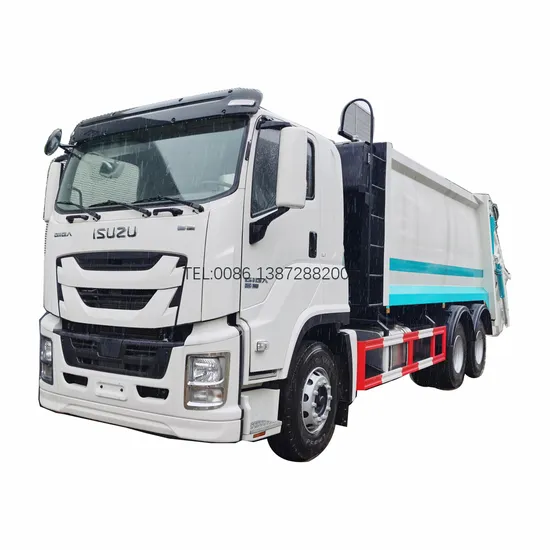
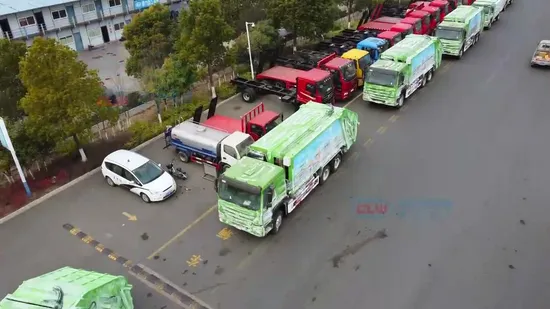
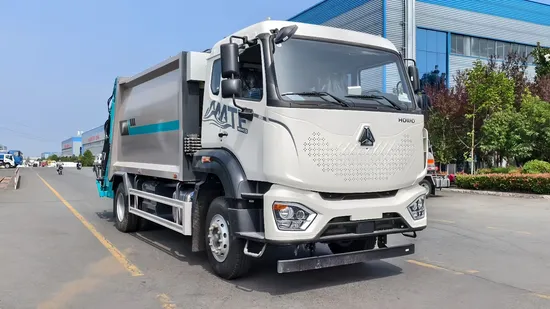
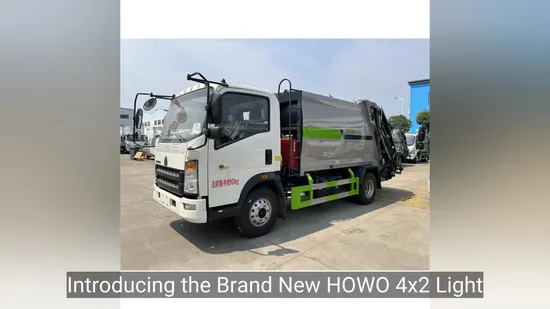
The Isuzu 6x4 Double Rear Axle Compactor Garbage Vehicle is a heavy refuse collector with a 16 m³ compression body, a left-hand-drive cab with air conditioning and a 290HP WD615.87 diesel engine. The double rear axle spreads the load of a large body over more tyres. It is designed for city cleaning departments and large waste contractors on high-volume routes: dense housing districts, commercial centres and transfer runs to a distant disposal site.
Why a double rear axle
A heavy compactor body carries a lot of weight when full. A 6x4 layout puts two axles at the rear to share that weight, which usually means steadier braking, less stress on each tyre and better traction on wet or loose ground. It also adds length: the wheelbase is 5000 mm and the overall dimensions are 8850 × 2500 × 3250 mm.
The extra length affects turning. Before choosing this model, check the width of junctions and the turning space at the tipping point. A smaller truck may still be the better choice for narrow districts, while this one suits wide roads and long routes.
The large body also changes the working day. A crew can stay on the route much longer before a trip to the tipping point, which suits districts where the disposal site is far away. The trade-off is that a fully loaded truck of this class needs more distance to stop, so drivers should keep a generous following gap and use the engine and air brake system with care on downhill sections.
Engine and drivetrain
The engine is a WD615.87, a four-stroke, water-cooled, intercooled in-line six-cylinder diesel with a displacement of 9726 ml. Rated power is 213 kW at 2200 rpm and peak torque is 1160 N·m between 1100 and 1600 rpm. A broad torque band helps when pulling away with a full body on a slope.
The gearbox is an HW19710 manual with ten forward gears and two reverse gears. Steering is the ZF8198 power-assisted type and the brake system is air operated. The front axle is HF7, the rear axles are ST16, and the tyres are 295/80R22.5. Maximum speed is 90 km/h and curb weight is about 11800 kg.
Body, hopper and unloading
The compactor body is made of 5 mm plate on both the sides and the bottom. Loading takes 8-10 seconds, the loading cycle takes 50-60 seconds per turn and unloading, by dump, takes 30-40 seconds. A 200 L sewage tank collects the liquid pressed from the waste.
On a body of this size, the hydraulic circuit works harder than on a small truck, so oil cleanliness and hose condition matter. Use the hydraulic oil grade specified for the body, replace filters on schedule and watch for leaks at the cylinder rods, the most common place where a problem first appears.
Cab and daily operation
The cab is the HW76 type and the standard configuration includes air conditioning. A long shift in a heavy truck is more tiring without cab comfort, and air conditioning helps drivers stay alert. Daily checks should include the air brake system, tyre pressure on all wheels and the fluid levels in the engine and hydraulic reservoir.
Because the truck has a manual ten-speed gearbox, drivers need training in using the gears well on stop-start routes. Good gear selection reduces clutch wear, and an engine kept in its torque band is more efficient than one that is constantly lugging or over-revving.
What to confirm before ordering
The drive layout, rated payload, tyre count and chassis details depend on the configuration and are confirmed in the quotation. Ask for the finished axle loads and the number of tyres to be stated clearly.
Also confirm the emission standard for the engine, the body volume you need, the drive side and any additional equipment such as cameras or extra lighting. Provide the route length and the distance to the tipping point so the body size can be matched to the work.
Request a current quotation for your selected configuration, quantity and delivery terms.