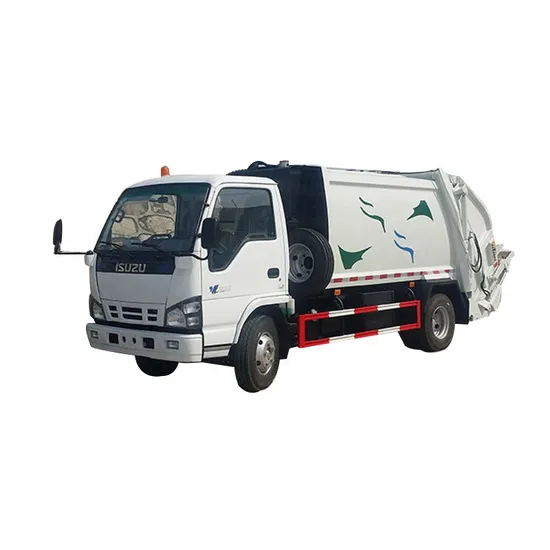
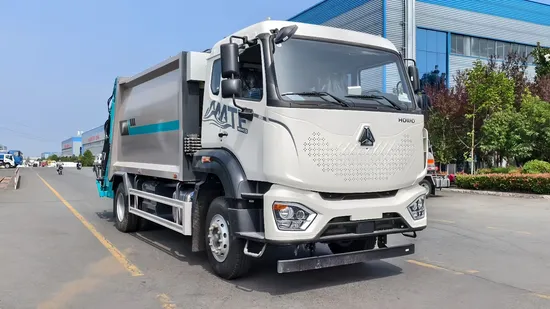
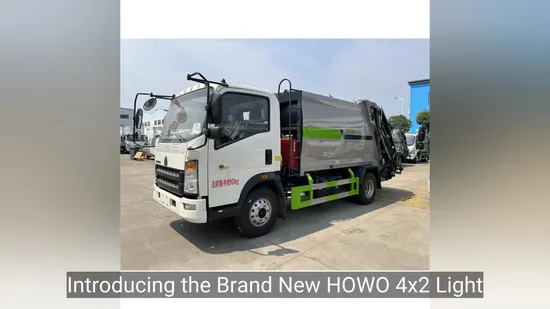
The Isuzu 100P 4x2 Compression Garbage Truck 6m3 combines an Isuzu 100P chassis, chassis model QL10703HARY, with a hydraulically operated compression refuse body. The drive layout is 4×2. It is a light refuse truck designed for regular waste collection along streets, compounds and service roads, where the body presses waste down to carry more per trip.
Its overall size is 6190×1880×2320 mm and the curb weight is 4210 kg, which keeps it compact and easy to place beside bins in narrow lanes. Fleet managers who want an Isuzu cab and gearbox in a small collection vehicle, and who value a short, easy-to-turn truck, will find this model a sensible fit for urban routes.
How a compression refuse body works
A compression body has a loading opening, a moving plate and a closed waste chamber. The crew or a bin lifter puts waste into the opening, and a hydraulic cylinder moves the plate to push the material into the chamber and press it tight. Each cycle makes room for the next load, so the truck keeps collecting after an ordinary body would be full.
Because the chamber is closed, odour and loose litter stay inside while the truck travels. This matters on crowded streets and near homes. At the disposal site, the same hydraulic system is used to empty the body. Our model includes a hydraulic control device as standard equipment, which the operator uses to run the compression and unloading functions.
Chassis and drivetrain
The Isuzu 100P chassis brings an Isuzu cabin and an Isuzu MSB gearbox with five forward gears and one reverse. The maximum driving speed is 90 km/h. The tyres are 7.00-16, with six fitted and one spare. Axle ratings are confirmed in the quotation, since they depend on the configuration chosen for your refuse body.
The refuse body is made from carbon steel and high tensile steel. High tensile steel allows strong panels without adding unnecessary weight, which helps keep more of the vehicle weight available for the waste load. Wear points and welds should be examined during routine inspections, especially after long periods of wet or abrasive waste.
Maintenance and daily checks
Before each shift, the driver should check tyre pressure on all six wheels and the spare, look over the hydraulic hoses for wet spots or rubbing, and confirm the oil level. After unloading, rinse the loading opening and the chamber so that residue does not harden and slow the plate. Clean waste chambers last longer and smell less.
Over time, grease the moving parts as your service schedule advises and keep the hydraulic filters on a regular replacement plan. A short written checklist for drivers reduces breakdowns during the collection day. Our team can discuss spare parts you may want to keep at your depot, such as hoses, seals and filters, when preparing your quotation.
What to confirm before ordering
Please confirm the drive side, left-hand or right-hand, and the emission standard your area requires. The body volume of the finished truck, the axle ratings and the cab equipment are confirmed in the quotation. If the nominal 6m3 class is important to your tender or route plan, tell us so we can state the figure clearly.
Let us know the type of waste, the number of stops per shift and the distance to your disposal site. Mention any extra equipment you require, such as a bin lifter, warning lights or a special colour. These details allow our team to confirm that the compression body matches the real working pattern of your crews.
Request a current quotation for your selected configuration, quantity and delivery terms.