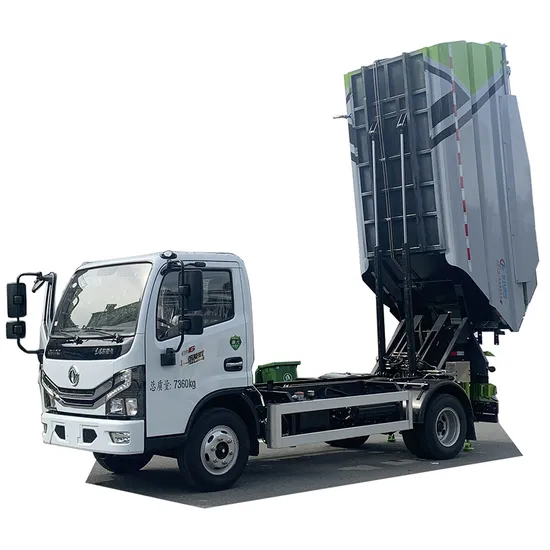
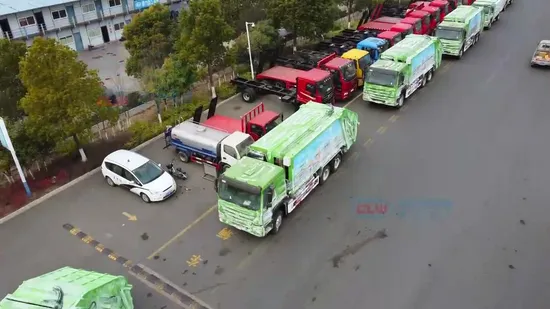
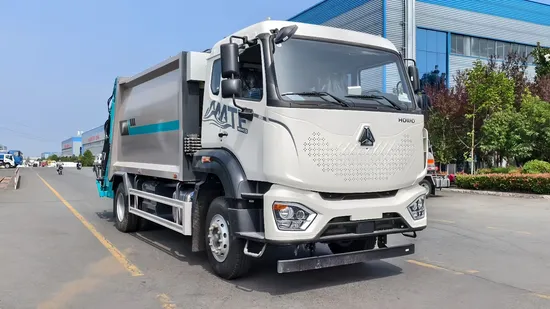
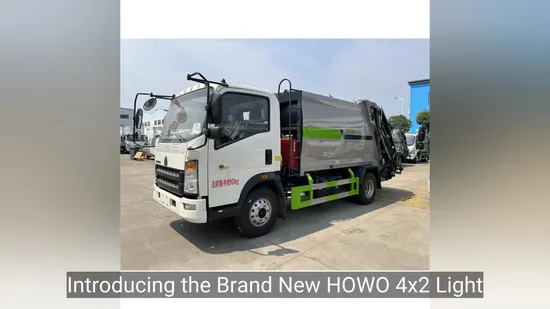
The Dongfeng 7m3 Compactor Garbage Truck Bin Lifter 95kW is a medium refuse collector on the Dongfeng EQ1075SJ3CDF chassis with a 4×2 drive layout. It combines a 7 m³ compactor body with a bin lifting system that raises two 240 L garbage bins, so the crew can empty standard wheeled bins without lifting them by hand.
This size is chosen for work where a heavy truck is unnecessary or cannot get through: residential lanes, small commercial streets, campuses and compounds. The diesel engine delivers 95 kW from 3,707 ml, which is ample for a body of this capacity on routine collection rounds.
Where this truck is used
The bin lifter makes this model a practical choice for scheduled bin collection. Residential estates, office parks, hospitals, hotels and markets usually put waste into 240 L bins, and the truck can pick up two at once, tip them into the hopper and compress the contents before moving on.
Its compact dimensions of 5,750 × 2,020 × 2,580 mm let it enter streets and yards that larger compactors cannot. Municipal teams, property management companies and private waste contractors can use it as the main vehicle on small routes or as a feeder to a larger truck.
Chassis, engine and drivetrain
The chassis is the EQ1075SJ3CDF with a two-axle layout and a 3,360 mm wheelbase, giving a gross vehicle weight of 7,360 kg. The engine model is D20TCIF1/CY4BK461, rated at 95 kW with a displacement of 3,707 ml. The vehicle runs on diesel with a manual gearbox.
The tyres are 7.00R16 in size, with six fitted plus one spare. A moderate wheel size and a short wheelbase keep the turning circle manageable, which matters when a truck has to reverse out of tight service roads between buildings.
Compaction body and hydraulic system
The 7 m³ body is made from 4 mm carbon steel with a ship-type cabin structure. Hydraulic outriggers are fitted at the rear and a hydraulic cylinder sits on the top of the body. The hydraulic system works at 16 MPa, which supports both the compaction cycle and the lifting of loaded bins.
The body is controlled through a CAN control system, with both manual and electric operation available, and the electrical supply is 24 V. Training the crew on the sequence of lifting, tipping and compressing is straightforward, and the two operating modes give a fallback if a control component needs attention.
Maintenance and daily checks
Before each shift the operator should inspect the hydraulic hoses and fittings for seepage, check the oil level in the hydraulic reservoir, test the lifter through a full cycle and confirm that the outriggers and body respond normally. Tyres, lights and brakes need the usual walk-around check as well.
Clean the hopper and the bin lifter arms at the end of each shift so residue does not harden and affect the moving parts. Follow the engine service interval for oil and filters, and ask our team which wear items on the lifting system are worth keeping in stock.
What to confirm before ordering
Please confirm the emission standard needed for your fleet, because the engine can be matched to different levels and the exact specification is set out in the quotation. Confirm also the steering side, the bin sizes your crews handle and the number of bins to be lifted per cycle.
Paint is made to the customer's requirement, so tell us your colours and any markings. Ask us about extra lighting, cameras or other equipment you want fitted. Each option and the final payload figure are confirmed in the quotation before the order is placed.
Request a current quotation for your selected configuration, quantity and delivery terms.