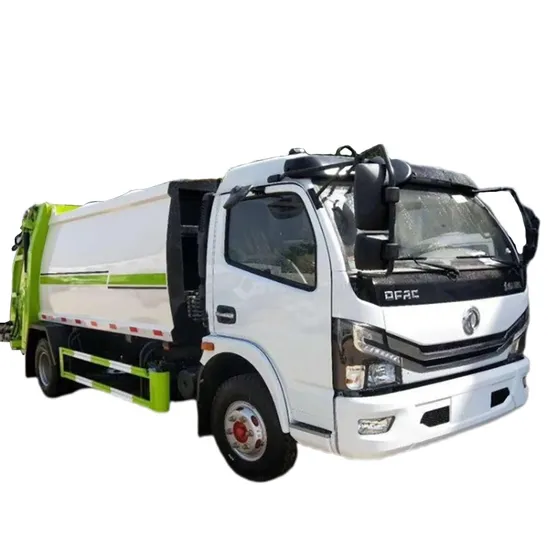
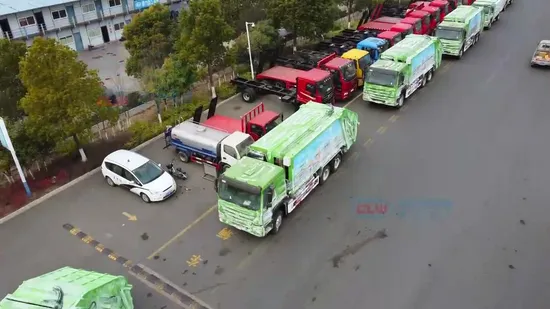
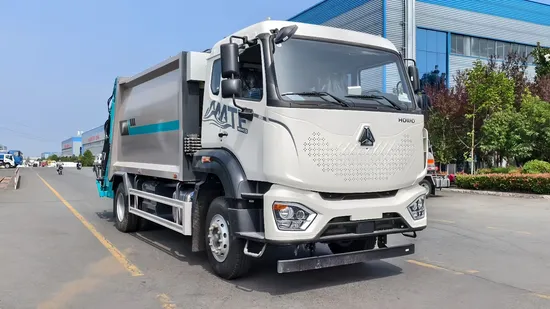
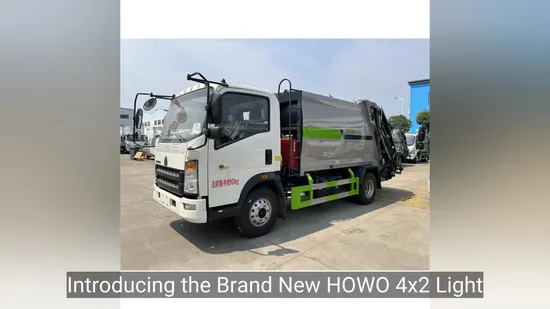
The Dongfeng 4x2 Single Cab Compactor Garbage Truck 165HP is a diesel refuse truck built on the Dongfeng chassis EQ1125SJ8CDC. It has a single cab, a manual gearbox, 4×2 drive and left-hand drive, and its compaction body packs waste so that each trip carries more material than an open body would.
We offer it to municipal cleaning departments, estate managers and waste contractors who run collection routes in towns and residential areas. A 165 hp engine provides the pulling power for stop-start collection with a loaded body, while the 4×2 layout keeps the truck simpler than a multi-axle design.
Chassis and engine
The chassis model is EQ1125SJ8CDC with a wheelbase of 3800 mm and a gross vehicle weight of 11995 kg. The engine type is YCY30165-60, with a maximum power of 121 kW (165 hp) and a displacement of 2.97 L. It is a diesel engine, paired with a manual transmission.
Steering is on the left side. A single cab keeps the truck short, which helps with turning and parking on narrow streets, while the 3800 mm wheelbase leaves room for the compaction body behind the cab. As with any refuse truck, most of the weight sits behind the cab, so drivers should brake early with a full body.
How the compaction body works
A compactor garbage truck collects waste at the rear loading area and pushes it forward into the body with a compaction mechanism, reducing its volume. Compacted waste lets the truck cover a longer route before it has to go to the transfer point or disposal site. The rear hopper should be kept clear of tangled material.
Operators should keep hands and clothing away from the hopper while it is running, fill bins evenly and avoid compacting items such as gas cylinders or sealed containers. Rinse the rear area at the end of each shift to keep waste residue from hardening, and keep the controls clean so that they work reliably.
Typical working routines
A collection day usually follows a fixed route: the crew loads bins at each stop, the body compacts the waste, and the truck moves to the next point. When the body is full, the truck goes to the transfer station or disposal site, empties the load and returns to the route.
This stop-start pattern is hard on clutches, brakes and tyres, so a daily walk-round matters. Check tyre condition, brake function, fluid levels and the state of the rear hopper before leaving the depot, and report any unusual noise from the compaction mechanism before it becomes a breakdown.
What to confirm before ordering
Please confirm the emission standard, rated payload, body volume and overall dimensions in the quotation, since these depend on the final configuration. If you need a different steering side, tell us at the start so that we can confirm what is possible for this chassis.
Also tell our team the type of waste, the size of the bins you use and the roads and loading heights on your route. That helps us check the loading opening and compaction body against your collection method and write every agreed fitting into the quotation.
Request a current quotation for your selected configuration, quantity and delivery terms.