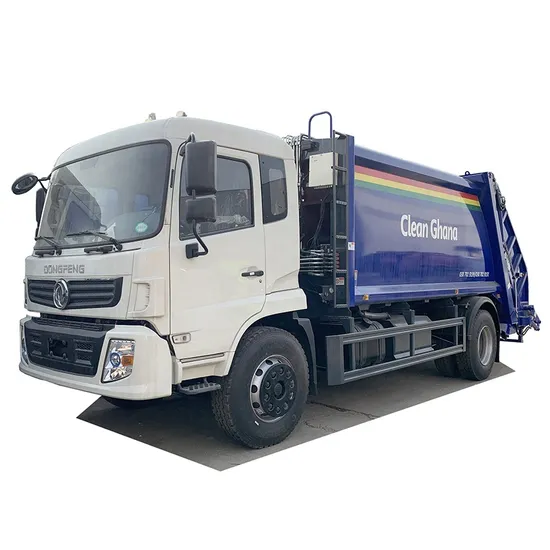
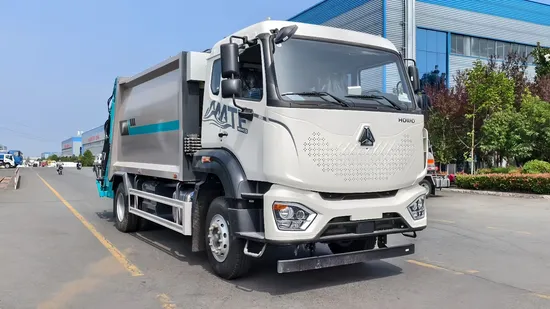
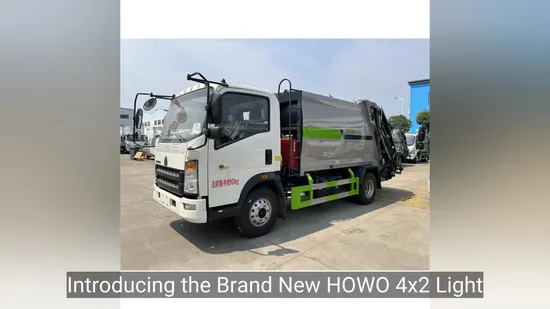
The 12m3 Self-Loading Hydraulic Compressed Garbage Truck is a diesel refuse collector with a hydraulic compaction system and a self-loading arrangement, meaning waste is lifted into the body by the truck's own equipment. It is powered by an ISB 180 engine and runs on air brakes with power steering.
Our team recommends it to municipal cleaning departments and waste contractors that collect household and commercial refuse along fixed routes. Compression lets the truck carry far more waste per trip than an open tipper, which means fewer trips to the disposal site during a shift.
How the compactor works
In a compression garbage truck, hydraulic cylinders move a blade or plate that pushes waste from the loading area into the body and presses it against earlier loads. This raises the weight of waste carried per trip. The body of this model is in the 12 m³ class, and the exact volume is confirmed in the quotation.
Self-loading means the crew does not need a separate loader. Waste is placed or lifted in and then compacted by the same hydraulic system. Operators should learn the loading cycle well, keep hands and tools clear of the moving parts, and never climb into the hopper while the system is running.
Chassis, engine and drivetrain
The ISB 180 engine has a displacement of 5900 ml and delivers 132 kW, equal to 180 hp. It runs on diesel and meets the Euro V level. The gearbox has eight speeds and is operated manually. Tyres are 10.00R20, and the wheelbase is 5000 mm.
Air brakes and power steering are fitted, which suits a heavy vehicle that stops often on collection rounds. Frequent stopping puts load on the brakes and the clutch, so route planning and sensible driving habits do more for running costs than almost any other choice.
Weights and dimensions
The rated payload is 8150 kg, the tare weight is 9840 kg and the gross weight is 18000 kg. The overall dimensions are 8650 × 2480 × 3150 mm. Check the height of 3150 mm against low branches, gates and depot roofs on your collection routes before you decide.
Gross weight matters for road and bridge limits. A compactor truck can reach its weight limit before the body is full when the waste is dense, such as wet or building waste. Tell us what kind of waste you collect, and our team will discuss the body with you.
What to confirm before ordering
Please confirm the drive side, the emission standard needed for your registration, the body volume and the type of loading device you want. Weights and volumes depend on the configuration and are confirmed in the quotation, so give us the daily waste quantity you expect to collect.
Tell us about optional equipment, such as cameras, lighting, bin lifters and colour or marking requirements. Our team will return a written configuration so that you can compare it with your operating needs before anything is built.
Request a current quotation for your selected configuration, quantity and delivery terms.