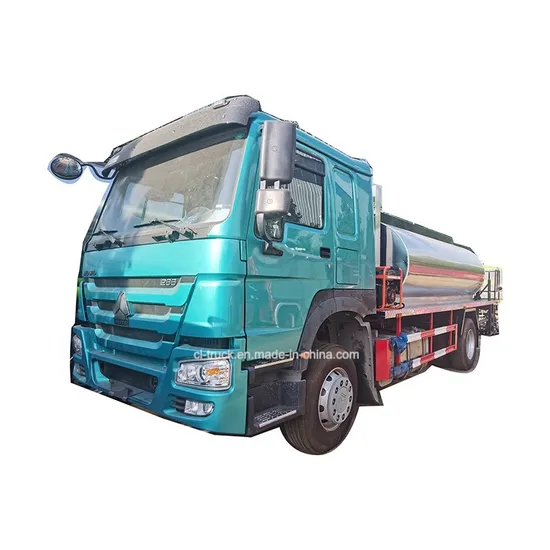
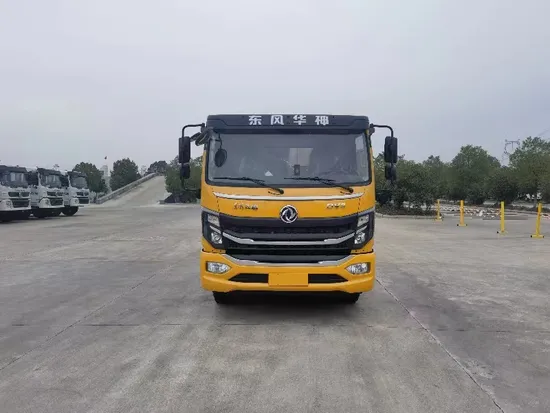
The HOWO 4x2 Bitumen Distributor Truck 10000L is a 4×2 diesel truck carrying a bitumen tank with spraying equipment for road surface work. The cab is left-hand drive, with right-hand drive available on request. It is aimed at road contractors and maintenance depots that need to carry and spray binder from a single vehicle without towing a separate unit.
As with any distributor, the real capability depends on how tank, pump and chassis are matched. The tank volume, engine rating and payload of this model depend on the configuration and are confirmed in the quotation, so use the sections below to understand how the equipment works and which questions to ask.
How a bitumen distributor works
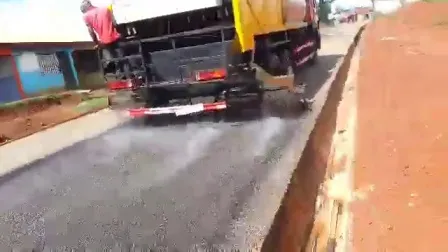
The truck carries hot binder in an insulated tank. A pump draws the binder from the tank and pushes it through pipework to a spray bar behind the cab or rear axle. The operator opens the valves, sets the pump speed to suit the truck speed and the application rate, and the bar lays an even film.
The rate of application is set by the relation between pump flow, bar width and driving speed. If the truck goes faster, the pump must deliver more binder to keep the rate constant. Teams that understand this relationship waste less material and produce a more even coat.
Chassis and driveline
The chassis is a 4×2 layout with a manual gearbox, six forward gears and one reverse gear, power steering and air brakes. The engine is diesel, and the cab is a one-and-a-half row type that tips forward and has air conditioning. The tyres are 7.00R16, with six fitted and one spare.
Axle ratings are listed as 2.4 ton at the front and 4.2 ton at the rear, and the wheelbase is 3360 mm. Because a bitumen load puts much of its weight on the rear axle, ask for the loaded axle weights of your chosen configuration before you plan routes and bridge crossings.
Spray power and daily care
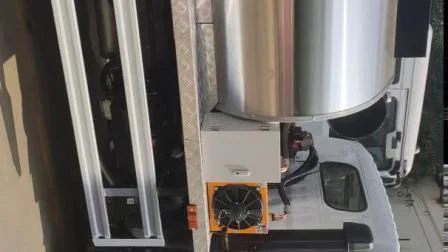
The spray pump is driven by a separate single-cylinder diesel unit of 16.38 kW at 2200 r/min, and an air compressor is listed at 7 kg/cm². The system pressure is stated as 0.6 MPa. A separate pump engine gives steady flow, but it also needs its own fuel, oil and filter checks.
Daily care follows a simple pattern. Check oil levels, inspect hoses and valves for leaks, and test the spray bar before leaving the depot. After spraying, clear the lines so that binder cannot harden, and park the truck on level ground so the remaining liquid drains safely.
What to confirm before ordering
Please confirm the tank volume, engine power, payload and emission standard in writing, as these figures depend on the chosen configuration and are confirmed in the quotation. Confirm also the drive side, the spray bar width, the nozzle arrangement and how the binder is heated and insulated.
Add any optional equipment you need to your enquiry, for example a hand lance, work lights or a particular paint colour. Describe the binder type, the application rate you normally use and the distance between your depot and the job, so the factory can propose a matching tank and pump.
Request a current quotation for your selected configuration, quantity and delivery terms.