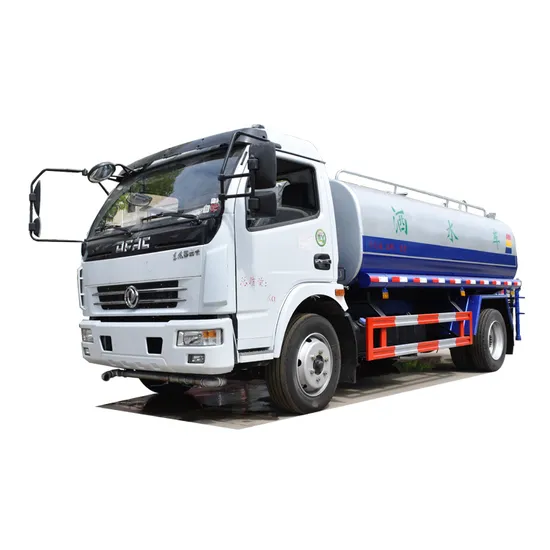
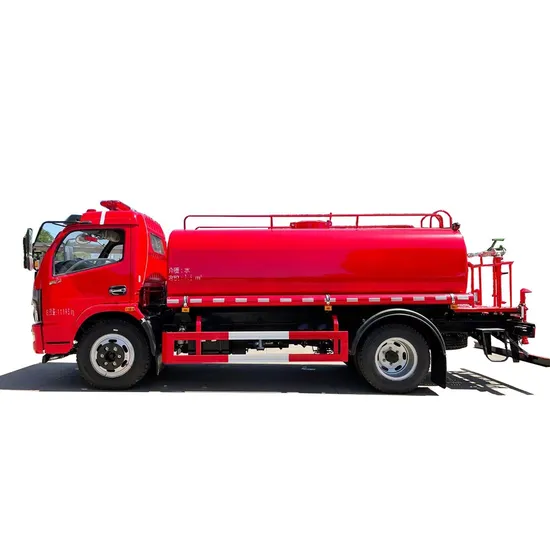
Water truck tank material is one part of a complete tank specification. A steel name or grade does not identify wall thickness, internal surface treatment or every component that contacts the water. Buyers should connect the material description to the intended water source and use before selecting the final tank configuration.
Put the material name beside the correct component
Identify whether a material entry refers to the tank shell, end plates, internal components or another assembly. Keep any stated grade with that component. “Stainless steel” and “carbon steel” are material descriptions. A quotation still needs to identify the selected construction rather than leave both as unresolved options.
The Dongfeng Tianjin Kingrun cleaning truck summary lists Q235 carbon steel and stainless-steel wording, while its detailed tank block specifies carbon steel. Its fog-cannon section separately describes a stainless-steel multi-stage pump. The pump material should not be read as the tank-shell material.
Record thickness separately from grade
A material grade does not tell the buyer the thickness of the plate used. Where the supplier provides different thicknesses for different parts, keep those distinctions in the tank schedule. A range should become a selected value or component-specific schedule in the final offer.
The Dongfeng water bowser detailed equipment block describes 4–6 mm carbon-steel or stainless-steel tank material. That entry combines a thickness range with material alternatives. Ask the quotation to identify the chosen material and thickness allocation instead of reducing the whole entry to “6 mm stainless steel.”
Give internal surface treatment its own field
Keep the internal finish, lining or coating description separate from the base material. If a treatment is supplied, retain its exact specification and relevant documentation. If it is not described in the selected equipment schedule, do not assume its presence from the exterior paint or tank material name.
The Dongfeng 4×2 water spray truck lists the same broad tank-material and thickness wording in its detailed table. It does not provide a specific internal coating system in that entry, so the enquiry should keep that question separate.
| Tank specification field | What to state | What it does not prove alone |
|---|---|---|
| Material and grade | Selected material for each identified part | Plate thickness or complete service suitability |
| Thickness | Value and the component it applies to | Internal finish |
| Internal surface | Specified treatment or finish, if supplied | The condition of every connected hose and valve |
| Water source and use | Source description and intended application | A qualification based only on the metal name |
Describe the water and the task
State where the water comes from and whether the truck will be used for road spraying, cleaning, irrigation or another defined purpose. Where a specific water-quality application is required, include the buyer's specification and request documentation covering the complete selected system.
A material name should not be presented as drinking-water qualification. The tank, finish, connections and intended service need to be addressed as a complete configuration rather than inferred from one grade label.
Request a tank schedule tied to the application
For project buyers, send the water-source description and intended use with the enquiry. Ask for the selected material, component thicknesses and internal-surface details in separate fields. This produces a tank specification that is more useful than a single material name and keeps the purchase discussion centred on the actual water-handling task.