Garbage truck capacity is not a single number. The body has a volume, the compaction system has stated characteristics, and the complete vehicle has a rated carried load. A buyer needs all three described separately. Neither liters nor a compaction ratio can be turned directly into a confirmed tonnage.
Convert volume units without changing their meaning
One cubic meter equals 1,000 liters, so 25,000 L equals 25 m³. That is only a volume conversion. It does not prove the mass of refuse carried or the actual body fitted to a particular truck.
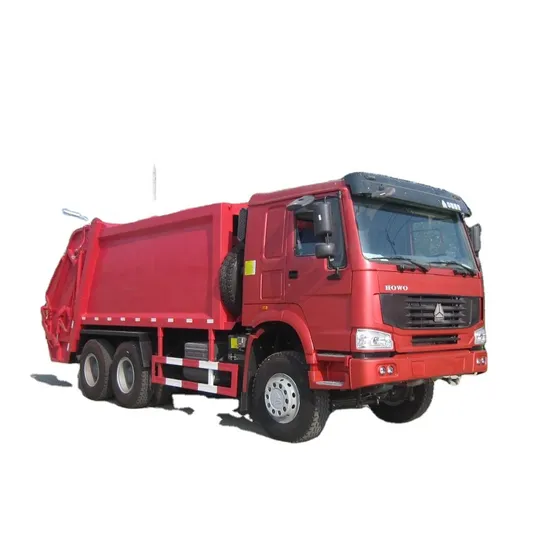
The HOWO 6x4 Garbage Truck Compactor 25000L uses 25,000 L in its title, while its detailed loading-capacity entry is 18 m³. Keep those entries distinct and ask for the selected body volume in the quotation. Do not silently replace one with the other.
Separate the body from the loading hopper
The HOWO 6x4 16–18 m³ compactor lists an 18 m³ body loading capacity and a 1.8 m³ loading-bunker volume. The rear hopper receives material during loading; it is a different component from the storage body.
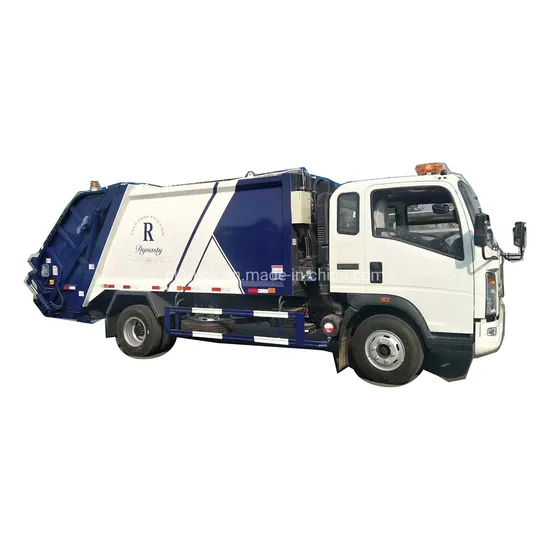
The HOWO Light 5tons/6tons compactor listing provides a 6 m³ body entry, a 1.2 m³ fill-volume entry and a 200 L sewage tank. These figures describe separate functions and should not be added into one refuse-body capacity.
| Field | Unit | Purchasing meaning |
|---|---|---|
| Body volume | m³ or L | normal storage space in the selected body |
| Loading hopper/bunker | m³ | Separate receiving space at the loading mechanism |
| Compaction ratio | Ratio | A stated compaction characteristic requiring defined conditions |
| Rated payload | kg or tonnes | Carried-mass specification for the complete vehicle |
Read compaction claims with the material in mind
The two larger HOWO listings give a 3.0:1 compaction-ratio entry. That is a listed characteristic, not a value derived from body volume. Ask what waste composition and measurement conditions it describes.
Do not multiply body volume by the ratio to promise an exact route collection quantity. Loose packaging, wet household waste and mixed refuse can occupy space differently. Describe the actual waste stream so the supplier can address the appropriate compaction and loading arrangement.
Keep carried mass independent
The light compactor's detailed table includes a 6,000 kg rated-payload entry alongside its 6 m³ body entry. The matching numeral does not mean one cubic meter of every waste stream weighs one tonne. Its title and detailed chassis descriptions also differ, so request the selected complete-vehicle specification.
Provide the expected waste mass where known, separately from bin volume or body volume. Ask for rated loading information associated with the actual chassis, body and lifting equipment, rather than assigning a payload from the product name.
Describe collection demand in useful terms
Send Chengliwei the waste type, bin sizes, number of collection points and expected quantity between disposal visits. Identify wet or bulky material and any variation along the route. Request body volume, hopper volume, compaction information and rated payload in separate quotation fields. That makes the garbage truck's capacity relevant to the collection task without inventing a conversion between space and weight.