Fuel tanker flow meter accuracy should be discussed as a specification of the selected metering equipment. It cannot be inferred from tank capacity, pump flow or the number of digits on a display. A clear enquiry separates the transfer system from the measurement system and asks the supplier to identify the basis of each stated value.
The pump moves fuel; the meter measures a quantity
A pump-flow entry describes transfer equipment under its stated conditions. A meter or dispenser records a measured quantity through its own measurement arrangement. The two components may operate together, but their specifications belong in separate columns.
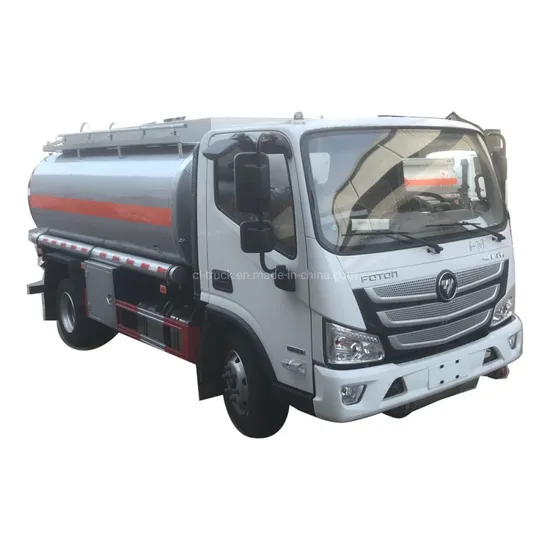
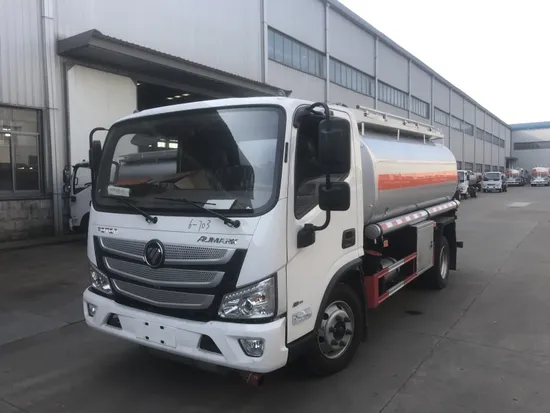
The Foton Aumark S-series fuel truck detailed equipment block lists a pump flow of 30 m³/h, pressure of 0.6 MPa and speed of 960 r/min. These are pump entries. They do not establish a dispenser's measurement error or the flow range over which a particular meter specification applies.
Identify what the display is showing
Ask which values the selected display presents: delivery quantity, accumulated total or another defined field. Record the unit beside each value. If the display uses gallons, the gallon definition should be explicit rather than assumed. Keep any displayed flow-rate field distinct from a delivered-volume total.
The Foton light fuel tanker describes a Chinese-and-English dispenser with ticketing. Language and printing capability are useful interface features, but they do not identify the measurement unit, display resolution or accuracy of the installed dispenser.
Keep the metering flow range separate from pump capacity
Request the selected meter's stated operating-flow range and the conditions attached to it. A pump's normal capacity should not be copied into the meter schedule as though it were the complete approved measurement range. Connection sizes also describe physical interfaces rather than measurement performance.
The Foton Aumark fuel tank truck lists DN50 or DN65 connection choices and a 15 m automatic-return reel with nozzle. These help define the delivery arrangement, while the metering model and range remain separate equipment details to specify.
Ask what an accuracy statement refers to
A useful accuracy statement identifies the equipment model, the quantity or reference to which the stated error applies. The operating conditions. Where a percentage is quoted, ask whether it is expressed relative to the reading, the full-scale range or another defined basis. Preserve the supplier's exact wording and supporting document reference.
Display resolution is also separate from accuracy. A display showing small increments does not by itself prove that the system measures within those increments. The listed Foton equipment descriptions do not provide a numerical meter-accuracy value, so none should be assigned to these examples.
Use a metering requirements table
| Requirement | Information to request |
|---|---|
| Equipment identity | Selected meter or dispenser manufacturer and model |
| Measured quantity | Displayed field names and units |
| Flow range | Stated metering range and relevant conditions |
| Accuracy expression | Error basis, conditions and supporting reference |
| Display | Resolution, language and available fields |
| Records | Ticket contents and supplied metering documentation |
For fuel-distribution buyers, include the intended product and delivery pattern with this table. The resulting quotation can describe the pump, hose arrangement and selected metering equipment distinctly, making accuracy claims easier to understand without inventing specifications that are not in the equipment schedule.