Vacuum truck loss of suction is a symptom description, not a confirmed diagnosis. A service team needs to understand what changed, the material being collected and the arrangement between the truck and the collection point. A structured report preserves these observations and helps the technician identify the correct equipment before recommending further work.
Name the vehicle and installed pump
Include the fleet number, vehicle identification, tank-body identifier and pump model from available records. Attach a readable label photograph if it is already available or accessible from an appropriate position. The chassis brand alone does not identify the suction equipment.
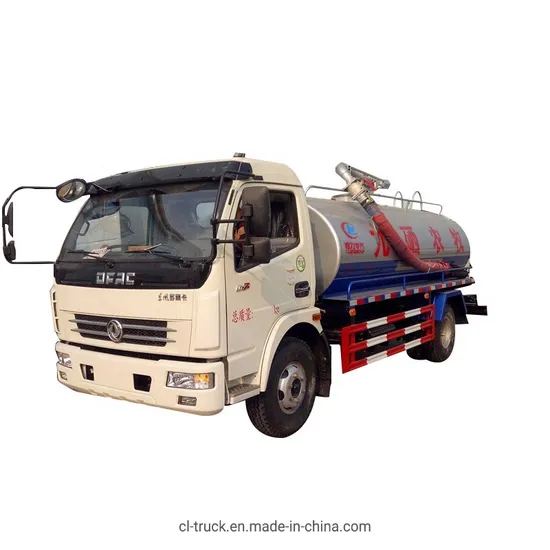
The Dongfeng sewage suction truck detailed description names a Hangzhou Weilong 50QZXDH-68/7000 vacuum pump. This kind of component reference is useful in a service request because it connects the report to pump-specific information.
Describe the material and collection conditions
State what the truck was collecting and whether the material appeared different from previous jobs. Use ordinary observations rather than unsupported laboratory descriptions. Note the collection location, approximate start time and whether the symptom appeared immediately or developed during the work.
If the report refers to a previous successful visit, identify that visit and the records available. A comparison is more useful when the service team can see whether the collection point and material were similar.
Record the hose arrangement as observed
Describe the hose sections in use, known diameters and the route between the truck and the collection point. Record the approximate horizontal distance and vertical difference separately where known. Include visible bends and connection locations in a sketch or photograph without changing the arrangement to conduct an improvised test.
The Dongfeng fecal suction truck names the same pump model in its detailed table but describes a tank without tipping, while the other Dongfeng example lists tipping. Similar suction equipment does not make the complete vehicles identical; the service report should retain the body configuration as well.
Separate instrument readings from conclusions
Copy an available gauge or display reading with its unit, label and time. Include a photograph showing the scale where appropriate. Do not describe a gauge value simply as “pressure” if the display uses a different reference or unit.
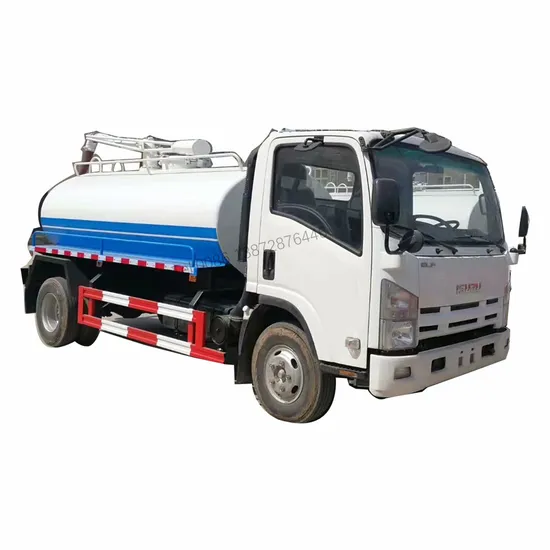
The Isuzu 700P fecal suction truck equipment description includes pump vacuum and theoretical pumping-speed fields. These are equipment specifications, not measurements from the reported event. Keep the actual observed reading separate from catalogue information.
Use a concise report table
| Report section | What to record |
|---|---|
| Equipment | Vehicle, tank and pump identifiers |
| Material | Collection type and observed condition |
| Hose layout | Known sections, route and elevation difference |
| Previous performance | Dated observations from comparable work |
| Current symptom | What changed and when it started |
| Instruments | Display or gauge label, value, unit and timestamp |
| History | Recent service, changes and earlier related reports |
For sanitation fleets, this information gives the service provider a clear starting point. Keep planned causes in a separate comments field and label them as unconfirmed. Preparing the report does not require entering the tank or dismantling operating equipment.