Tipper hydraulic maintenance starts more efficiently when the technician receives a clear description of the reported problem. “The body will not work” does not identify whether the issue occurred while raising, holding or lowering. A useful service request records the stage, the vehicle's condition and the equipment involved without assuming which component has failed.
Identify the complete vehicle and lifting equipment
Provide the fleet number, chassis identification and body-builder information from existing records. Add the pump, power-take-off, valve and cylinder identifiers when available from documentation or accessible labels. These details allow the technician to match service information to the installed equipment.
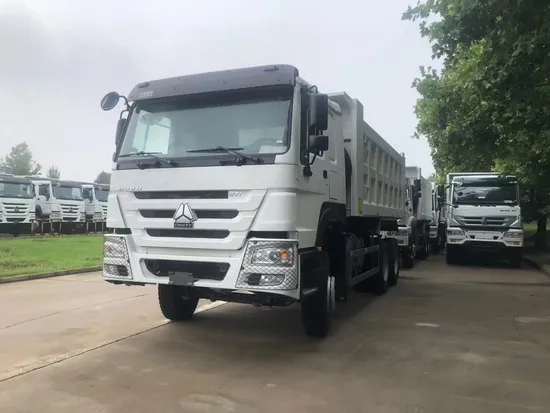
The HOWO 6×4 tipper truck page includes a detailed middle-lifting entry while its summary uses front-lifting wording. For a service request, the delivered truck's equipment identification and documentation are more useful than selecting one broad description from a listing.
Describe the stage at which the symptom appeared
State whether the issue arose when a raising command was given, during movement. The body was stationary or during lowering. Describe the observation plainly: no visible movement, interrupted movement or an unexpected change in behaviour. Record any displayed message exactly, including its code where visible.
Report what already happened rather than repeatedly operating the equipment to reproduce a fault. Where photographs are useful, use existing images or an appropriate observation position. A service record does not require access beneath an elevated body.
Record load condition without inventing a weight
State whether the body was empty or loaded when the symptom occurred. If a measured load record exists, attach it. Otherwise describe the material and mark the mass as unmeasured instead of estimating it from the body size or truck title.
The HOWO construction tipper lists body dimensions and a lifting-system description, but neither identifies the actual load carried during a particular event. Keep the event record separate from the specification sheet.
Attach recent maintenance and component changes
Include the date of the most recent relevant service, the work-order number and any parts replaced. If the symptom started after a service visit or a configuration change, record that sequence without presenting it as proof of the cause. The technician needs both the observation and the documented work history.
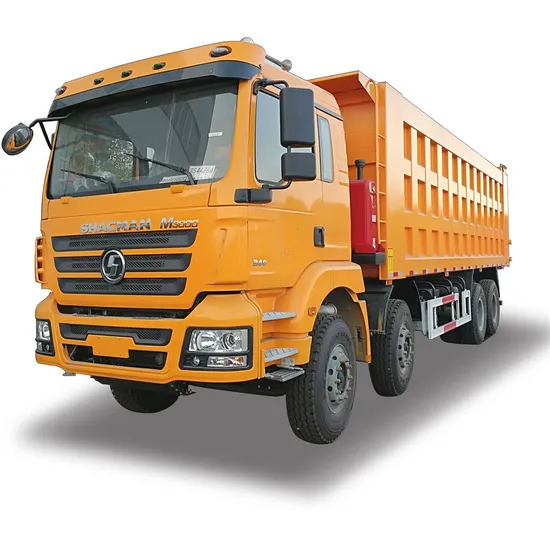
The Shacman M3000 dump truck detailed configuration specifies front lifting and gives an empty-load rise-and-drop time entry. That operating condition matters: a published empty-load figure should not be used to diagnose a loaded truck or another lifting arrangement.
Use this service-request template
| Field | Information to provide |
|---|---|
| Unit identification | Fleet number, chassis and body identifiers |
| Hydraulic equipment | Available pump, PTO, valve and cylinder references |
| Event time | Date, location and available mileage or hours |
| Movement stage | Raising, stationary or lowering when observed |
| Load condition | Empty or loaded; measured mass only if available |
| Observed symptom | Movement description, display message and visible condition |
| Recent service | Work orders, parts changes and dates |
For construction fleets, this report gives the service provider a practical starting point for equipment-specific assistance. It supports diagnosis without prescribing hydraulic adjustments, component removal or unsupported repair procedures.