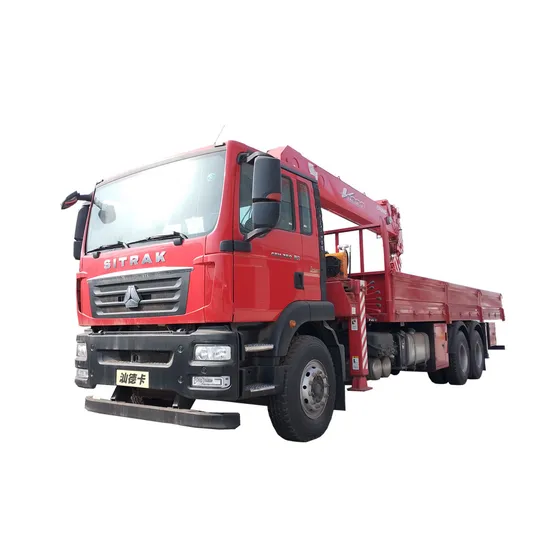
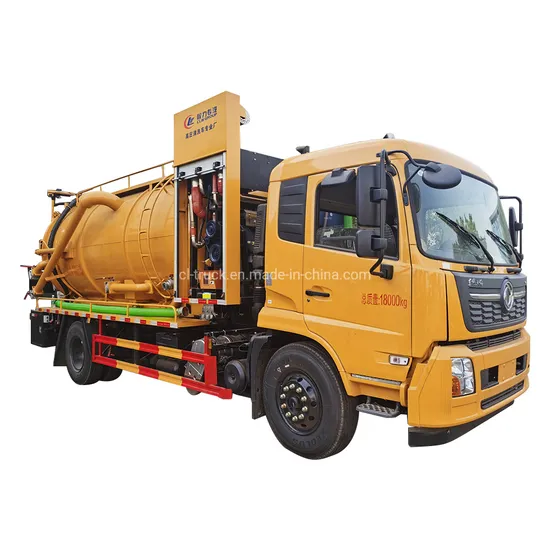
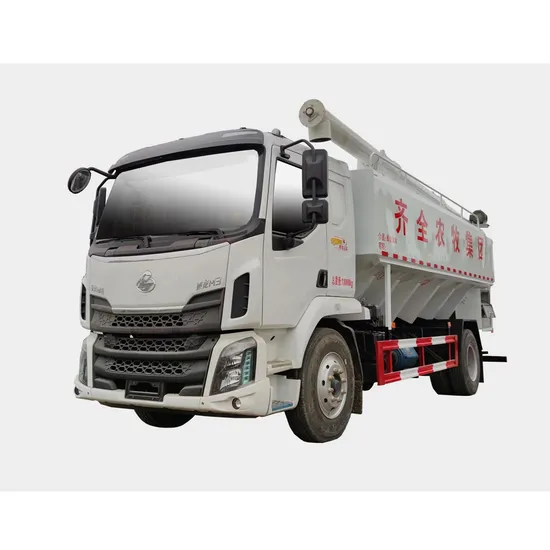
A power take-off, or PTO, is a gearbox or engine output that sends engine power to equipment other than the wheels. It lets the truck's own engine drive a hydraulic pump, vacuum pump, compressor or auger, so one engine both moves the truck and runs the body whenever the PTO is engaged.
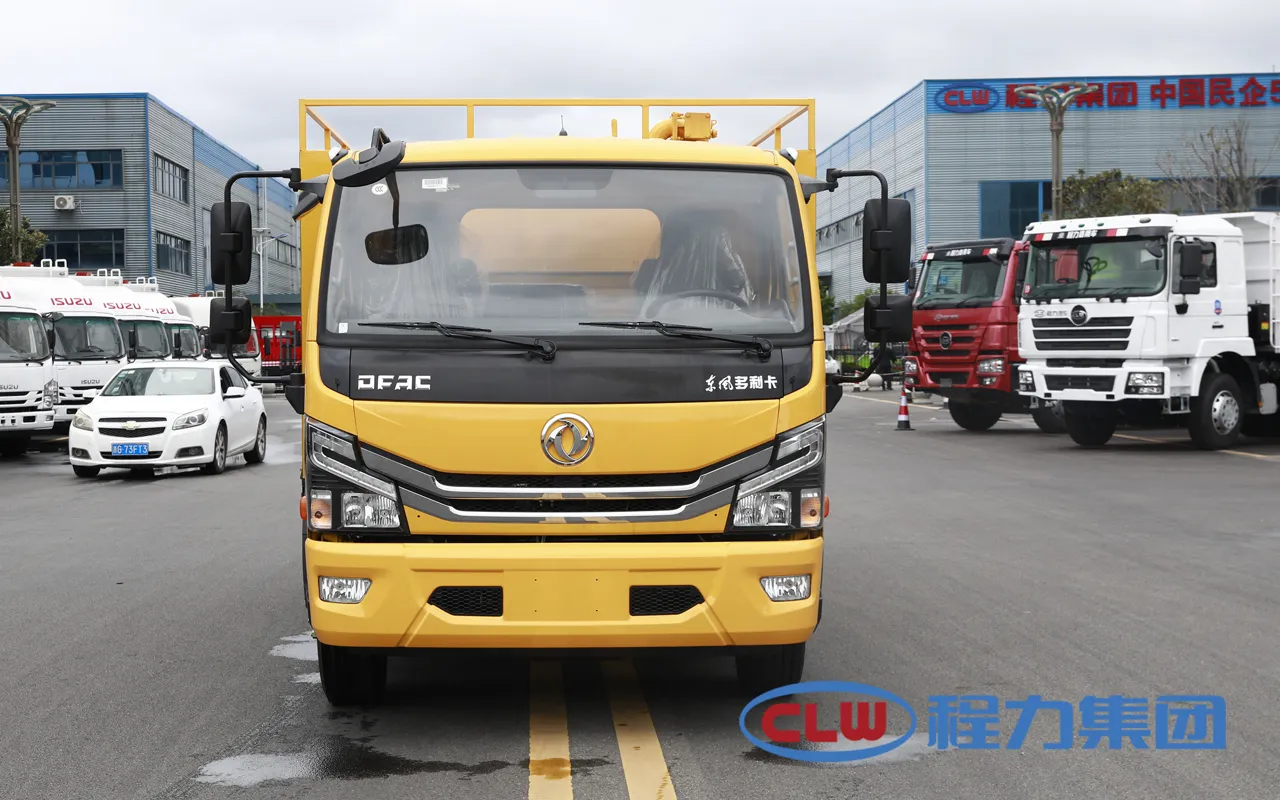
Where the power comes from
The most common type is a transmission-mounted PTO. It bolts to an opening on the gearbox and turns an output shaft while the gearbox is turning. Others take power from the front of the engine or from the flywheel housing, and a split-shaft PTO sits in the driveline between the gearbox and the rear axle. The output either bolts straight onto a pump or runs through a propeller shaft to a pump mounted elsewhere on the chassis. A cab switch, often air-operated, engages and releases the drive.
What it drives on different bodies
- Vacuum and sewage trucks: a vacuum pump or blower that creates suction and, on many designs, pressure for discharge.
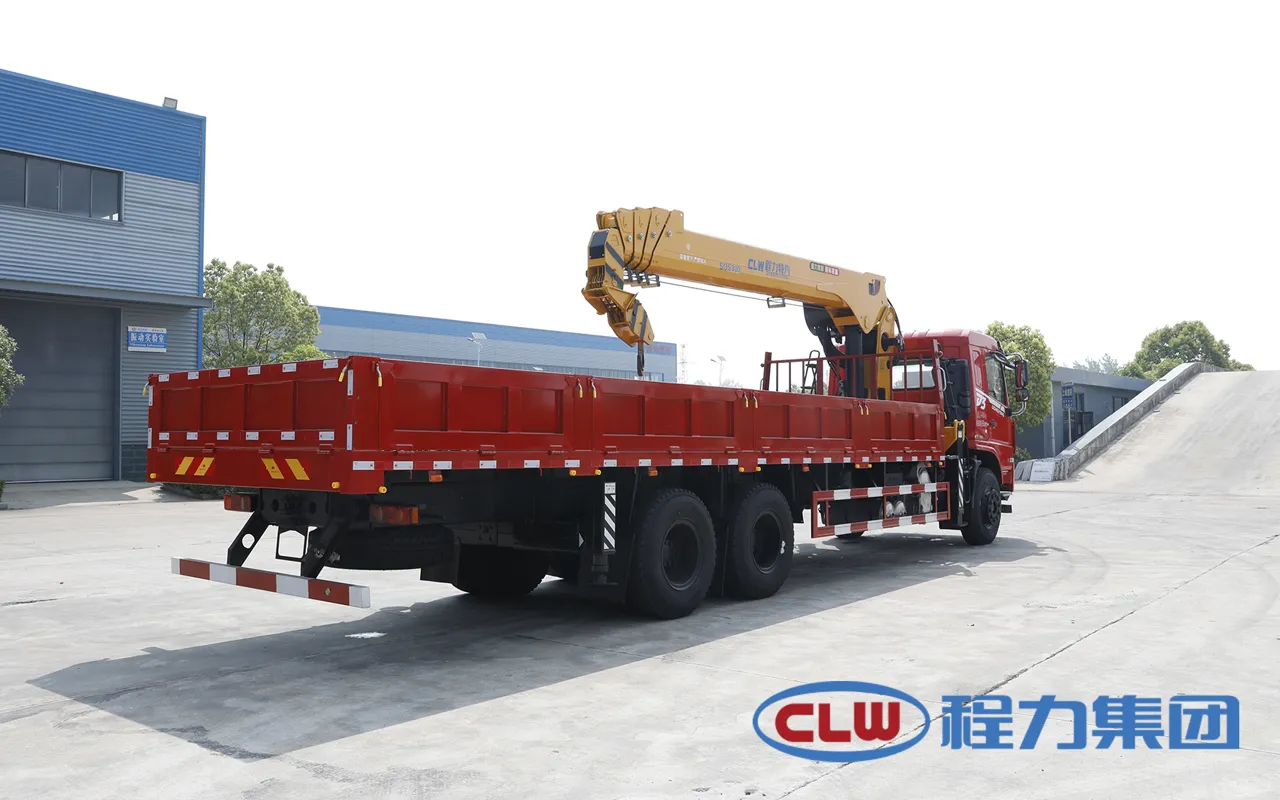
- Crane trucks: a hydraulic pump that feeds the boom, slewing and outrigger cylinders.
- Bulk feed trucks: a blower or hydraulic motor for the delivery auger or air system.
- Dump and hook lift trucks: a hydraulic pump for the hoist.
Not every body uses a PTO. Some carry a separate auxiliary engine instead. Our Dongfeng 4x2 Vacuum Cleaning Truck 15m3 375HP Aux Engine carries that wording in its name, so ask which drive a given model uses.
Choosing and using a PTO
- Match the PTO to the pump. Ask the body maker for the pump's required speed and torque, then check them against the PTO ratio and rated output.
- Pick the type for the duty. Pumping while parked needs a stationary PTO, while work done on the move needs one rated for driving use.
- Engage it as the manual says. Most PTOs are engaged with the truck stopped or slow, and the clutch or neutral step matters.
- Set engine speed for the job. PTO output speed follows engine speed, so run it in the range the equipment maker gives.
Follow the manufacturer's instructions and the rules that apply where the truck will operate.
Browse the sewage and fecal suction trucks, crane trucks and bulk feed trucks and trailers to see what each body needs. The Isuzu FTR 4x2 Sewage Suction Tanker Truck 10000L Euro 5 lists an Xd-63 vacuum pump, with a Hangzhou Weilong pump as the alternative. The Sitrak 6x4 Automatic Truck with Unic 12t Crane lists UNIC hydraulic cylinder, pump and valve, and the Dongfeng 6x4 Mounted Crane Truck for Heavy Lifting lists a KYB hydraulic pump. For feed delivery, see the Dongfeng 4x2 Bulk Feed Truck 24m3 Euro 5. Confirm the drive used on each model in the quotation. Our bulk feed trucks for sale, vacuum trucks for sale and crane trucks for sale pages cover the full ranges.
Frequently asked questions
Can a PTO be added to any truck?
Only if the gearbox or engine has a PTO opening or a suitable driveline position, and the pump demand matches what the engine can supply. Ask the body maker and chassis supplier together, and settle it before you order.
Can I drive with the PTO engaged?
It depends on the type. Some PTOs are for stationary use only, while others are designed to work while the truck moves. Follow the manual for your model and never engage a stationary PTO while moving.
What is the difference between a PTO and an auxiliary engine?
A PTO borrows power from the truck's own engine, so the chassis engine must be running. An auxiliary engine is a separate engine on the body, which lets the chassis engine rest but adds fuel use, cost and servicing.