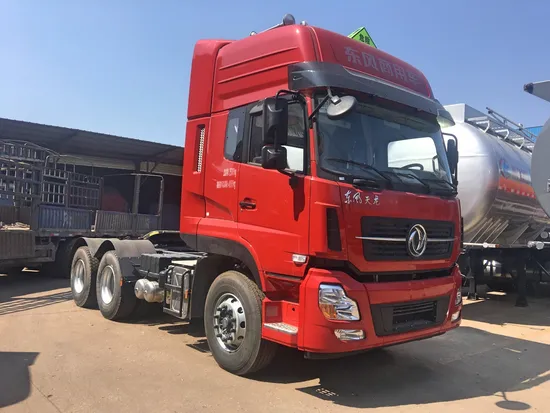
A fifth wheel coupling is the heavy, horseshoe-shaped steel plate mounted on the back of a tractor head. It locks around the kingpin under a semi-trailer, carries part of the trailer's weight and lets the two units pivot through turns, so one tractor can pull many different trailers.
The parts that make up the coupling
Two halves work together. On the tractor, the fifth wheel plate sits on a mounting frame behind the cab. Its centre slot guides the kingpin in, and locking jaws close around the pin's neck. A release handle or an air-operated control opens the jaws again. On the trailer, a steel kingpin is fixed to a reinforced plate under the front of the chassis, and the flat underside of that plate rests on top of the fifth wheel.
Most plates tilt on a pivot, so the trailer can rise and fall over uneven ground without twisting the coupling. A sliding fifth wheel can be moved forward or back along rails to change how weight is shared between the tractor's axles and the trailer's axles.
How a trailer is coupled and released
- Back the tractor squarely towards the trailer, with the trailer plate slightly lower than the fifth wheel so it rides up the ramp instead of hitting the edge.
- Reverse slowly until the kingpin enters the slot and the jaws snap shut.
- Confirm the jaws and lock are fully closed, by eye and with a gentle pull test, before anyone leaves the cab.
- Connect the air and electrical lines, then raise the landing legs.
Uncoupling reverses the order: lower the legs, disconnect the lines, release the jaws and pull forward. Follow the manufacturer's procedure and the rules that apply where the truck will operate.
Matching the tractor to the trailer
A coupling only works when both sides agree. Check the kingpin size against the fifth wheel, the fifth wheel's rated vertical load against the front load of the trailer, and the trailer's pin height against the fifth wheel height so the trailer stands level. Confirm that the air and electrical connectors match as well. Common mistakes are mixing pin sizes, ignoring the load rating and leaving a sliding plate unlocked after adjusting it.
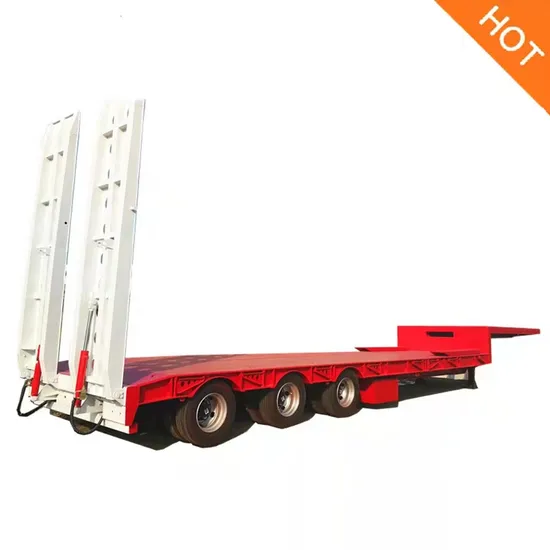
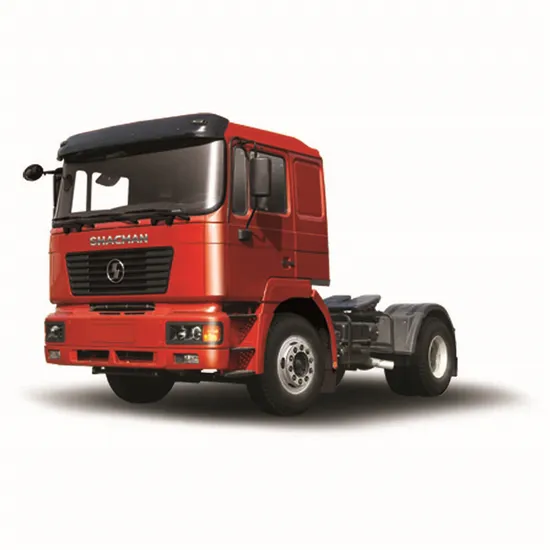
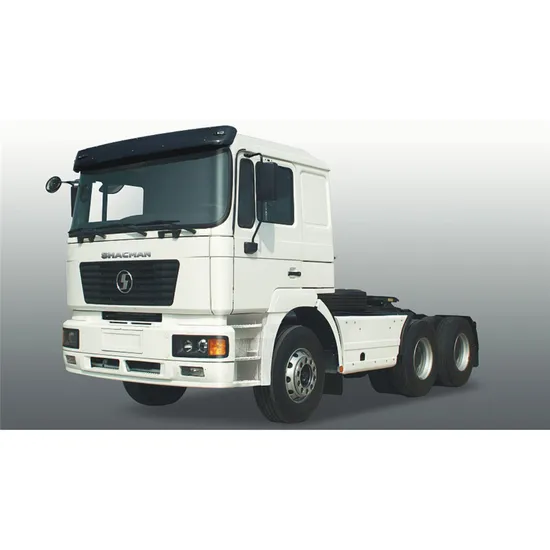
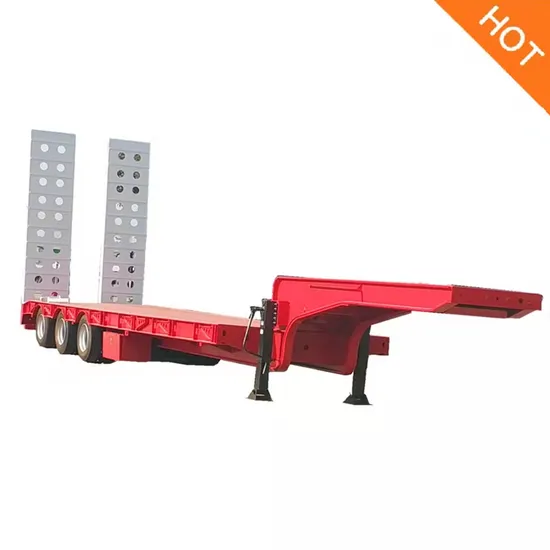
For reference, our Shacman 6x4 Tractor Truck 31-40t Euro 2 lists a related weight of 40000 kg and a curb weight of 9400 kg. Browse every model in the tractor heads category, then compare them with the semi-trailers in flatbed trucks and trailers, such as the Chengliwei 3-Axle Flat Bed Semi-Trailer 50t, which is listed with a 50T load capacity and a tare weight of 8800 kg. If you already know what you plan to pull, see our tractor heads for sale, the lowbed and flatbed trailer range or the fuel tank trailers.
Frequently asked questions
What is a kingpin?
The kingpin is the steel pin under the front of a semi-trailer. It drops into the fifth wheel slot and is gripped by the locking jaws. It takes the pulling force, so its size and condition matter when you match a trailer to a tractor.
Can any tractor head pull any semi-trailer?
No. Kingpin size, load ratings, pin height, brake connections and axle layout all have to suit each other. Ask for the fifth wheel and trailer details in your quotation so both can be checked together before you order.
What does a sliding fifth wheel do?
It lets you move the coupling point forward or back along rails. That changes how the trailer's weight is shared between the tractor and trailer axles and helps fit different trailer lengths. It must be locked again after every adjustment.