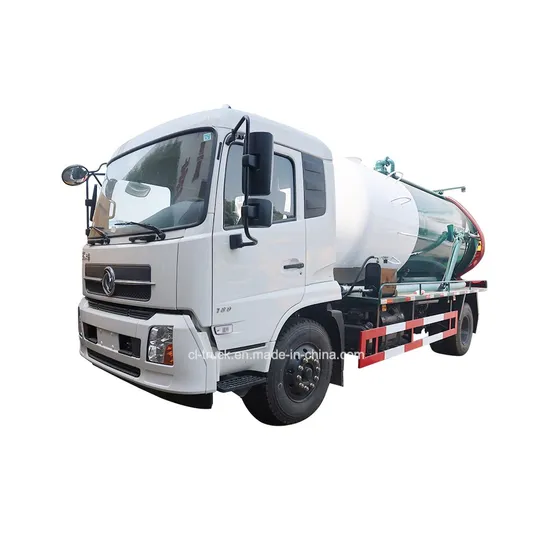
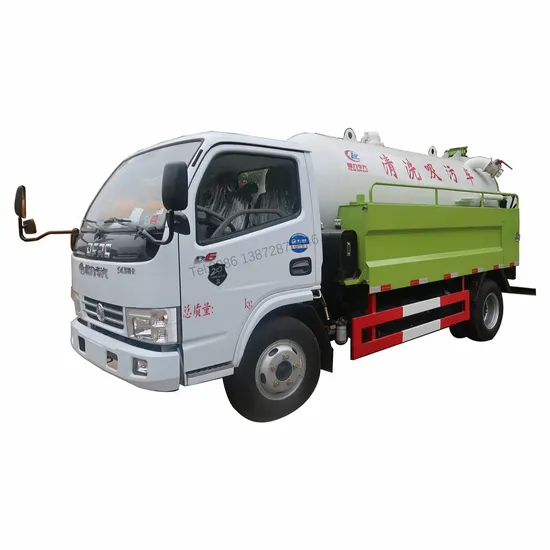
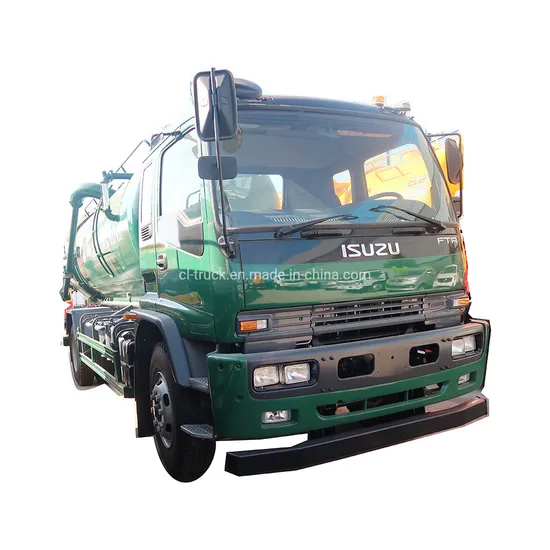
Choose a vacuum truck if the job is only to remove sludge, slurry or liquid waste. Choose a combined jetting and suction truck if pipes or sewers must be flushed clear first and the loosened debris then sucked up, because it carries a water tank, a high-pressure pump and a vacuum system together.
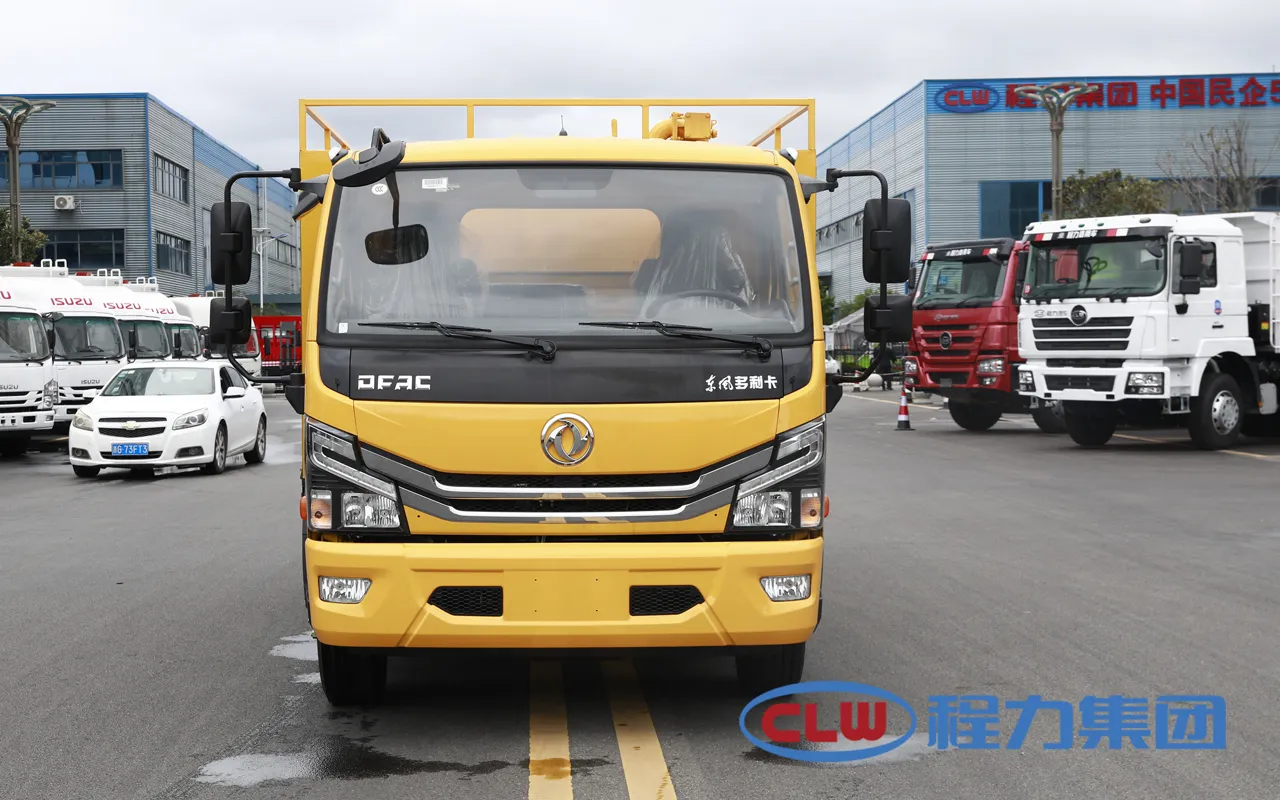
Two machines, two main jobs
A plain vacuum truck has one tank, one vacuum pump and a suction hose. It is built to lift waste from septic tanks, pits, cesspools and holding tanks and carry it away. A combined truck adds a second function. High-pressure water is pumped through a hose and nozzle to break up fat, silt and blockages inside a pipe, and the vacuum side then removes what was loosened. The result is one vehicle doing what used to take two visits.
Side-by-side comparison
| Point | Vacuum truck | Combined jetting and suction truck |
|---|---|---|
| Main task | Emptying and transport of waste | Clearing pipes, then removing debris |
| Tanks | One waste tank | Waste tank plus a clean-water tank |
| Pumps | Vacuum pump | Vacuum pump plus high-pressure water pump |
| Operating complexity | Lower | Higher, with more hoses and controls |
| Typical work | Septic tanks, pits, tanks | Sewers, drains, culverts, tank cleaning |
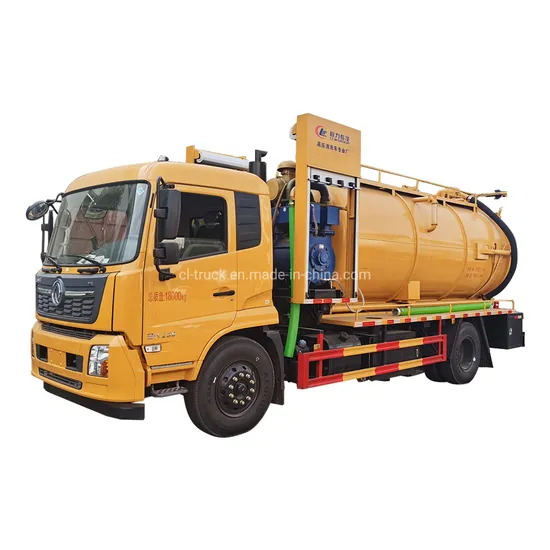
Where the water tank changes the design
On a combined truck the body volume is shared between clean water and waste. The Dongfeng 4x2 Vacuum Jetting Sewer Dredge Truck 15m3 shows this clearly: its listing gives a 15 m³ tank split into a 6 m³ water compartment and a 9 m³ sewage compartment. The same total volume on a vacuum-only truck would all be waste space. So a combined truck needs a larger body to match a vacuum truck for waste capacity per trip.
How to decide
- If your work is mostly septic tanks and pits, a vacuum truck costs less to buy and is simpler to run.
- If blocked drains or sewer lines are part of the work, a combined truck saves a second vehicle.
- If you have little water supply at job sites, check the water tank size before choosing.
- If you need both functions, remember the jetting hose and nozzle need trained operators.
In our sewage and fecal suction truck range, the Foton 4x2 Combined Vacuum Jetting Flushing Truck 10m3 is listed with a 10000-litre tank and a vacuum pump option of Xd-63 or Hangzhou Weilong. The Dongfeng Kingrun Combined Vacuum Jetting Truck 8-12m3 and the Isuzu 4x2 Jetting Vacuum Truck are other examples, the latter listed at Euro 5. For pure waste removal, see our vacuum trucks for sale page, and ask for the jetting pump details in the quotation, since the listings do not state them.
Frequently asked questions
Can a vacuum truck clean sewers on its own?
It can remove loose sludge and standing liquid, but it cannot break up hard deposits. For sewer cleaning you usually need high-pressure water first, which is why a combined jetting and suction truck is the normal choice.
Does a combined truck carry less waste?
Yes, for the same body size. Part of the tank volume holds clean water, so waste space is smaller than on a vacuum-only truck. Compare the water and waste compartment sizes, not just the total volume.
Is a combined truck harder to operate?
It has more controls: a water pump, hose reel, nozzles and the vacuum system. Operators need training on both functions, and jetting needs more care around pipes, so training time is longer than for a vacuum-only truck.
Can I add jetting to a vacuum truck later?
Usually not as a simple add-on, because the water tank, pump and hose reel are part of the body design. If jetting may be needed, specify it before the order and confirm the details in the quotation.