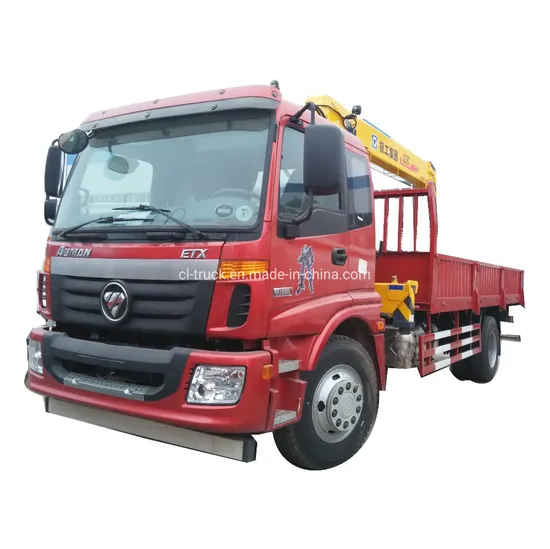
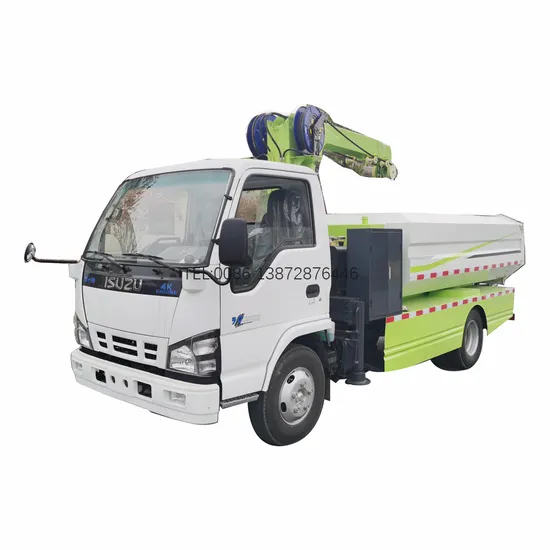
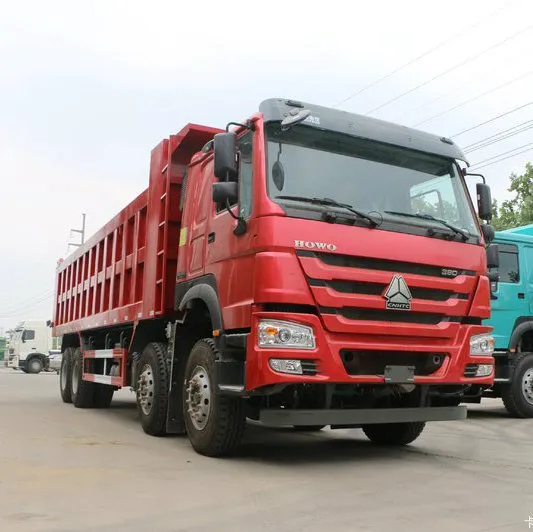
A truck specification sheet lists the figures that decide how much a truck can carry and how it will handle. Read three first: curb weight (the empty truck), payload (the cargo it is built to take) and gross vehicle weight, or GVW, the maximum for truck and load together. Curb weight plus payload should not exceed GVW.
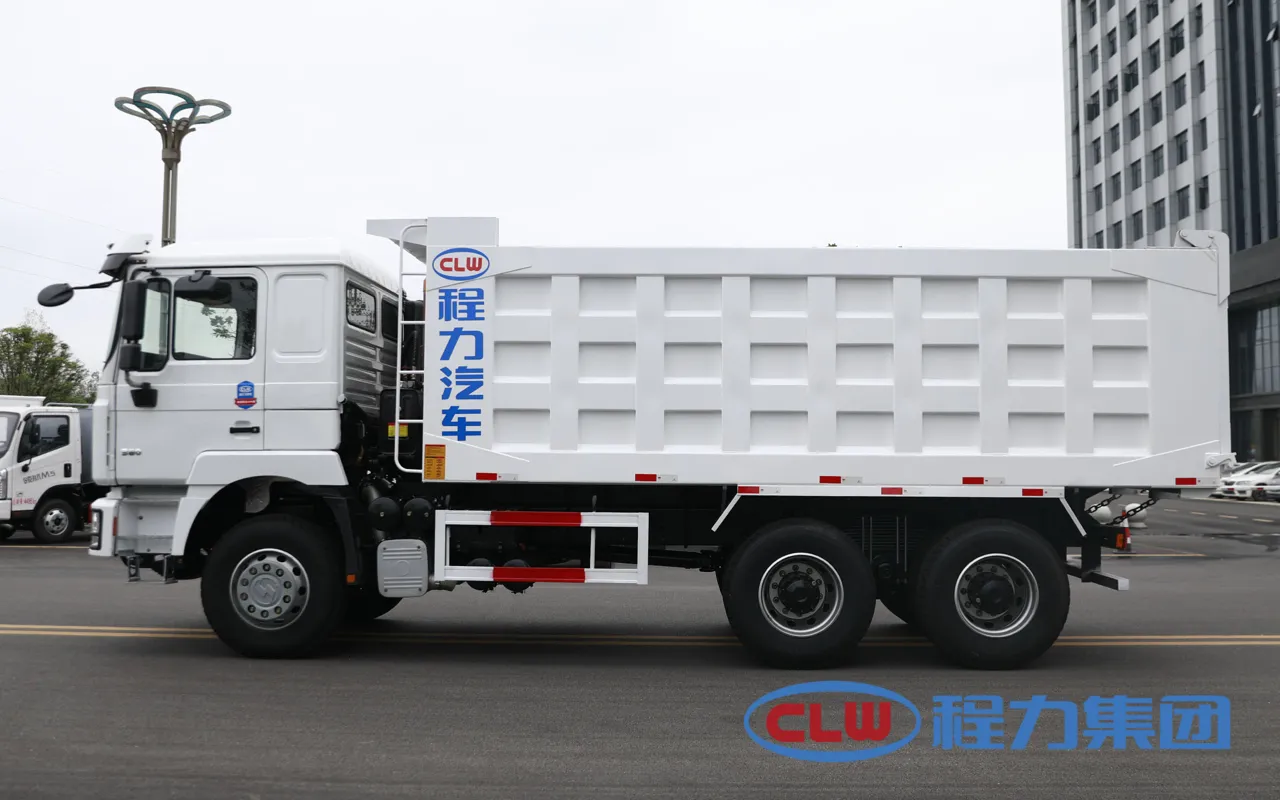
The weight figures, one by one
| Figure | What it means | Why it matters |
|---|---|---|
| Curb weight | The truck empty, ready to drive, with no cargo | Shows how much of the GVW the truck itself uses |
| Payload | The cargo weight the body and chassis are designed for | Sets how much you can haul per trip |
| GVW | Maximum weight of truck plus load | Used to check axle, brake and chassis limits |
| Wheelbase | Distance between axle centres | Affects turning circle and weight spread |
| Overall dimensions | Length, width and height | Decides whether it fits gates, garages and loading bays |
A worked example: the Foton Aumark RHD dump tipper in our dump truck range lists a rated payload of 4000 kg, a curb weight of 2200 kg and a gross vehicle weight of 6200 kg. The first two add up to the third, which is how a consistent sheet should behave. If your own figures do not add up, ask why before you order.
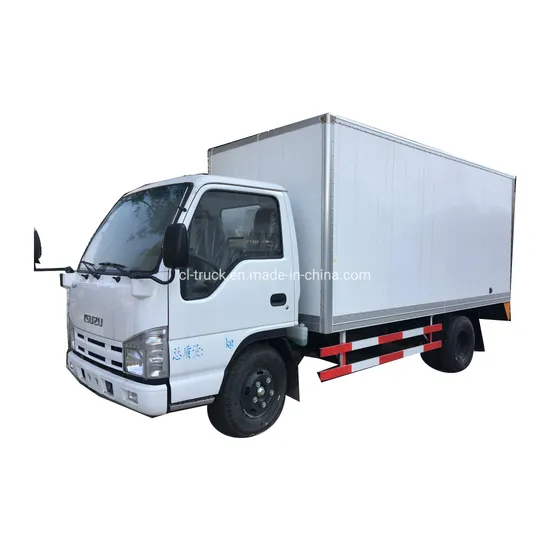
Dimensions, engine and axle data
Do not confuse overall dimensions with body dimensions. The Isuzu 100P van body truck lists overall dimensions of 5995 x 1930 x 3380 mm but a box of 4150 x 1750 x 2230 mm, so the cargo space is much smaller than the vehicle. The same row gives a 3360 mm wheelbase and a Euro 4 emission standard. For heavier trucks, check the axle layout too: the Isuzu FVZ 6x4 van truck lists a payload of 20000 kg against a tare weight of 11800 kg. Curb weight, kerb weight, tare weight and net weight normally describe the same empty-truck figure.
Mistakes when comparing sheets
- Trusting the tonnage in a model name instead of the payload row. Names such as 4-5t are ranges, so quote the payload figure.
- Mixing units: kg and tons, mm and metres, hp and kW.
- Reading chassis figures as finished-truck figures. The Dongfeng D92-100 electric van lists a 3.5 t GVW and a chassis curb weight of 1850 kg, and the body adds to that.
- Ignoring the word approximate. Several sheets give nominal weights, so confirm the final figures in your quotation.
Browse the box trucks and dump trucks categories to compare real rows, starting with the Foton Aumark RHD 3-4t Dump Tipper Truck Euro 5 150HP, the Isuzu 100P 4x2 Fiberglass Van Body Truck 4-5t and the Sinotruk HOWO 8x4 Dump Truck 40t Left-Hand Drive, which lists a payload of 40000 kg and a curb weight of 15490 kg. The same reading skills apply to our box trucks for sale, lowbed trailers and flatbed trucks and livestock trucks.
Frequently asked questions
What is the difference between GVW and payload?
GVW is the maximum weight of the truck and its load together. Payload is only the cargo part. Subtract the curb weight from the GVW and you get the payload the chassis can carry, which is why the three numbers must agree on a sheet.
Is curb weight the same as tare weight?
In most sheets, yes: both describe the empty truck. Some include fuel, driver or spare wheel and some do not, so ask which items are counted when you need an exact figure for a loading plan.
Why do two sheets for the same model show different figures?
Options change the numbers. Body length, tank size, tail lift, tyres and engine all add or remove weight, and figures marked approximate are nominal. Confirm the final configuration and its weights in the written quotation.