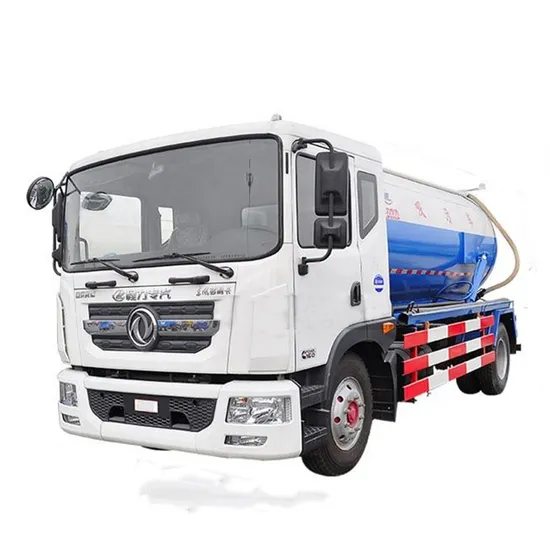
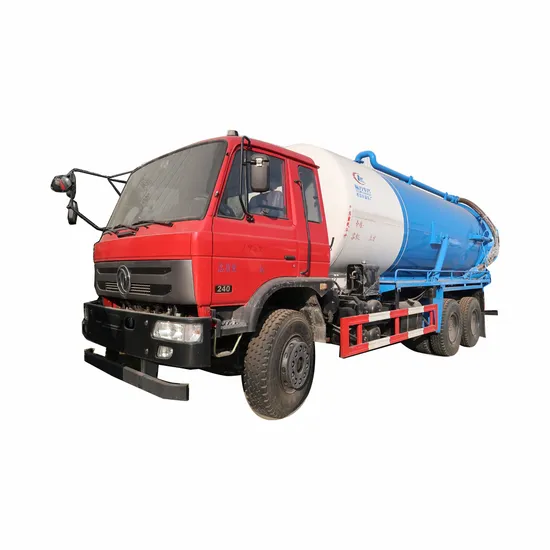
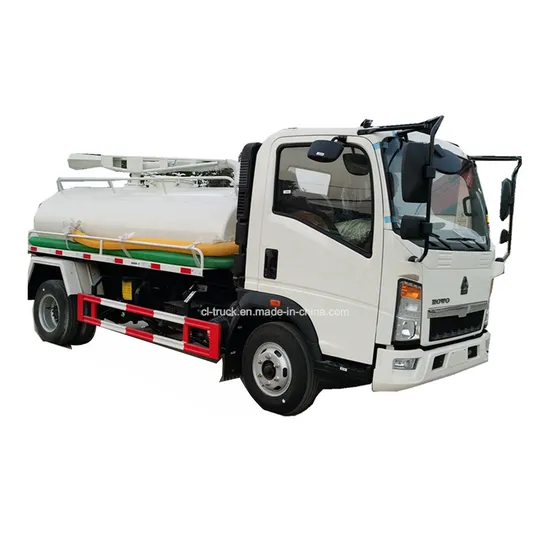
A septic pump truck empties a tank by creating a vacuum inside its own sealed tank. A vacuum pump draws air out, outside air pressure pushes sludge and liquid up the suction hose, and the waste stays on board until the operator opens the discharge valve at the disposal point. This truck is also called a vacuum tanker or, in some markets, a honey sucker.
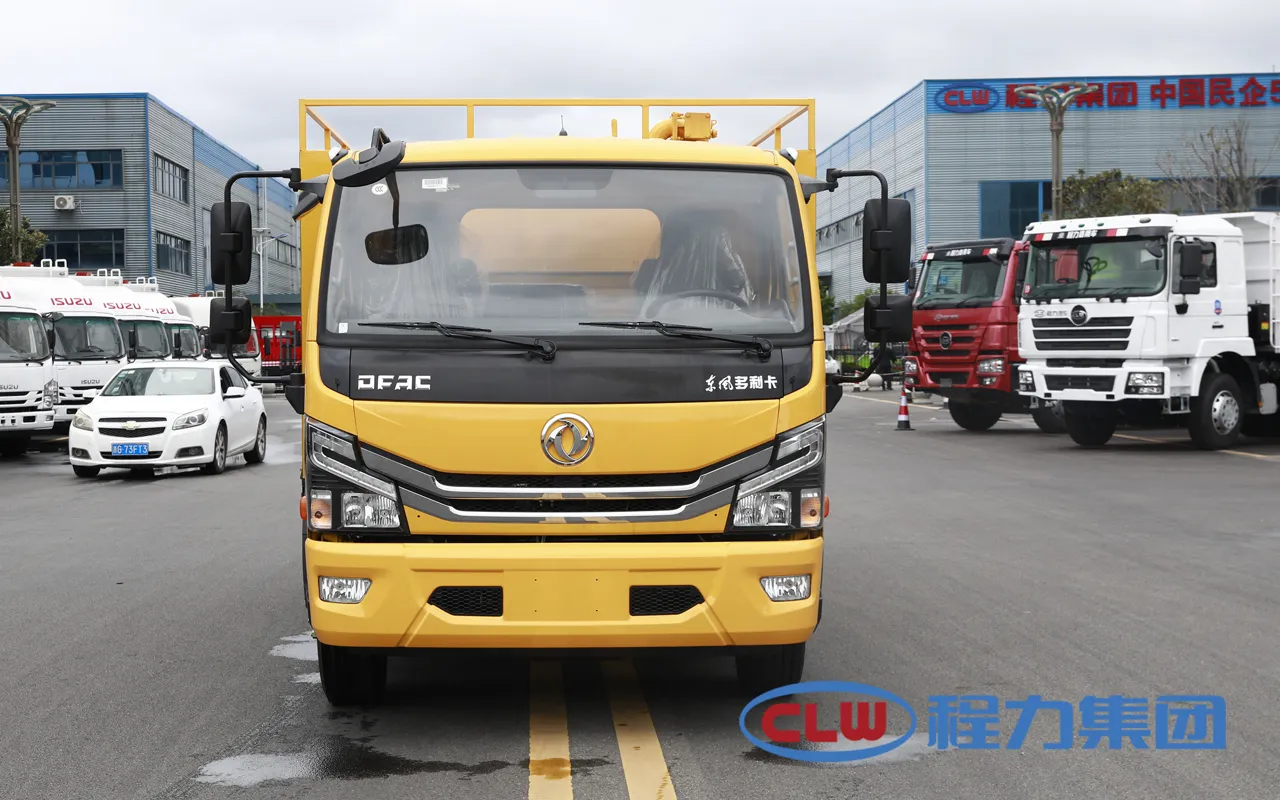
What happens inside the truck
Three parts do the work: a sealed steel tank, a vacuum pump and a suction hose. The pump is normally driven from the chassis engine through a power take-off. When it runs, the air pressure above the waste in the tank falls. The air pressure at the open septic tank is higher, so the contents are forced along the hose and into the truck. A level-limiting device in the tank keeps liquid from reaching the pump.
A job from arrival to discharge
- Park as close to the access cover as the layout allows, set the brakes and open the cover.
- Connect the suction hose, engage the power take-off and start the pump.
- Stir the crust and settled sludge with the hose end so solids are lifted with the liquid.
- Watch the level gauge and stop before the truck tank is full.
- Close the tank, rinse the hose and drive to the disposal point.
- Discharge through the rear valve, either by gravity or by reversing the pump to pressurise the tank, depending on the truck.
Septic tanks can hold harmful gases, so crews should follow the safety and waste-disposal rules that apply where the truck works.
What slows a job down
Hose reach is the first limit. If the truck cannot park near the cover, the operator needs more hose, and every extra metre costs suction. Thick, dried sludge is the second. Rags, stones and plastic are the third, because they block the hose or foul the pump. Common mistakes include:
- Filling the truck tank right to the top, which risks carry-over into the pump.
- Running the pump with nothing left to pull, which wears it for no gain.
- Skipping a check of hose couplings and seals before starting.
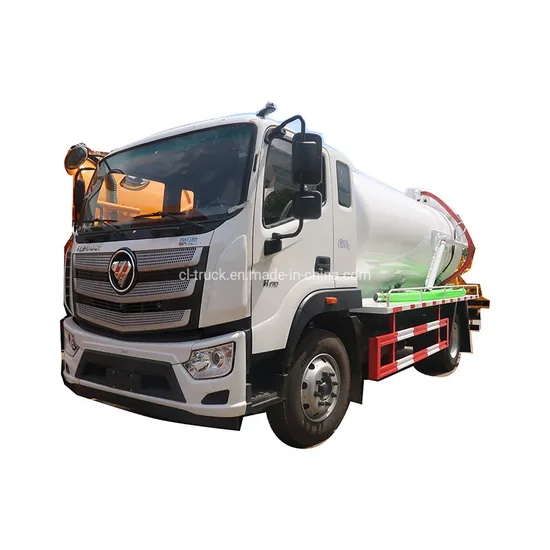
Picking a truck for septic work
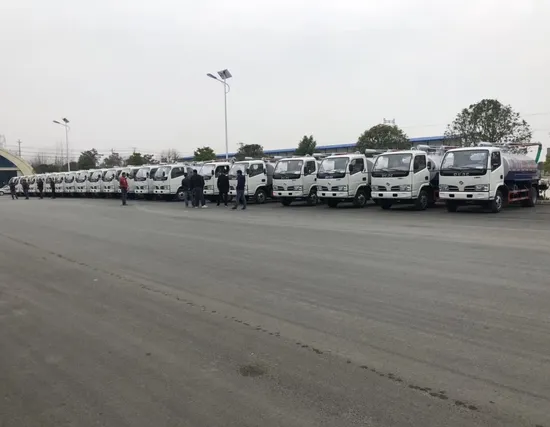
Our sewage and fecal suction trucks cover small and large tanks. The Chengliwei Foton 4x2 Septic Tank Suction Truck 10000L is listed with a 10000-litre tank and an Xd-63 or Hangzhou Weilong vacuum pump. For tight lanes, the Dongfeng 4x2 Fecal Suction Truck 4000L Weilong Pump is a smaller 4000-litre option. If one trip must clear many tanks, the Dongfeng 6x4 Septic Vacuum Truck lists a 16 m³ tank. You can compare more models on our vacuum trucks for sale page.
Frequently asked questions
What kind of pump does a septic pump truck use?
Most use a vacuum pump driven by the engine through a power take-off. It removes air from the tank and, on many trucks, can also be reversed to push waste out. Pump model and flow vary, so confirm them in the quotation.
How does the operator know the tank is full?
The operator watches a level gauge or sight glass on the tank, and a limiting device stops liquid from entering the pump. Stopping a little early is safer than filling to the top, because foam and sludge can surge.
How is the waste removed from the truck?
At the disposal point the operator opens the rear discharge valve. Waste leaves by gravity, or the pump pressurises the tank to push it out. The method depends on how the truck is equipped.
What tank size should I choose?
Match the tank to the volume of the tanks you serve, the distance to the disposal point and the access on site. A smaller truck reaches tight lanes, while a larger one needs fewer trips between jobs and disposal.
Is a honey sucker the same as a septic pump truck?
Yes, it is a regional name for a septic pump truck. It is the same vacuum tanker design described above, with a sealed tank, a vacuum pump and a suction hose that draws sludge out of the septic tank.