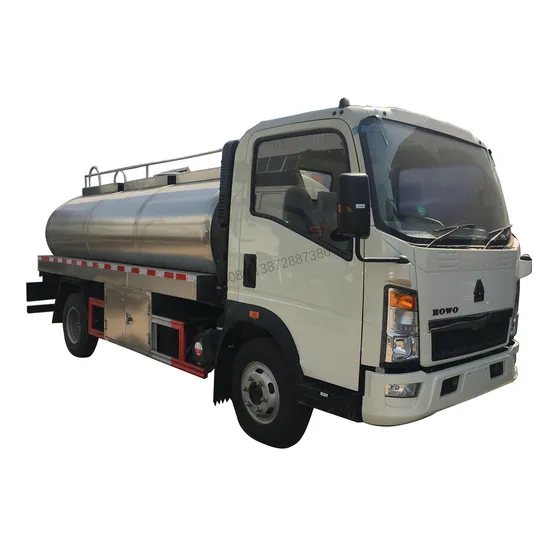
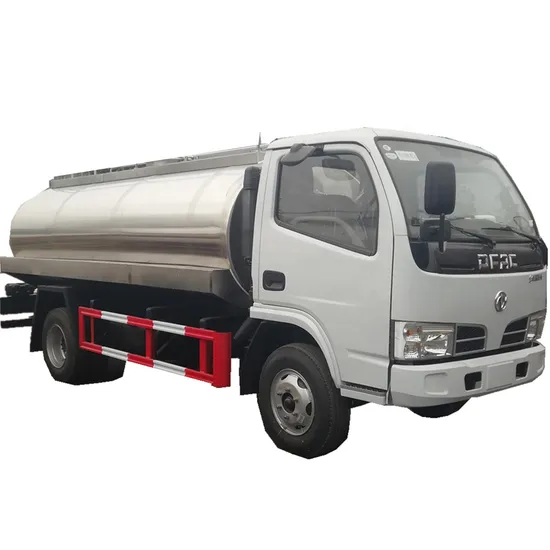
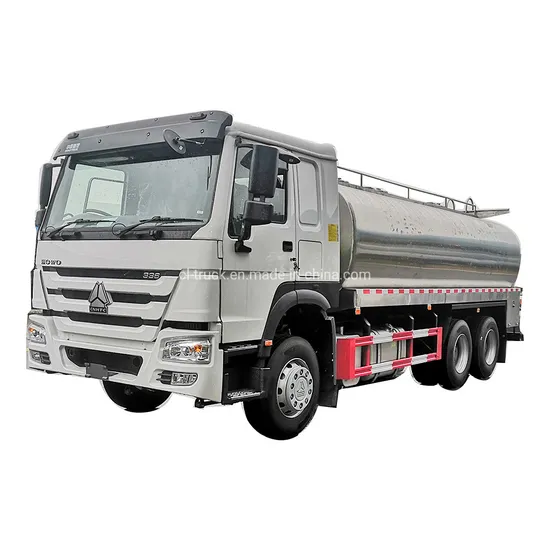
A milk tanker keeps milk cold mainly by insulation, not by making cold. The milk is loaded already chilled, and a stainless steel inner tank is wrapped in insulation and an outer shell to slow heat gain. Some tankers add a refrigeration unit for long trips or hot weather.
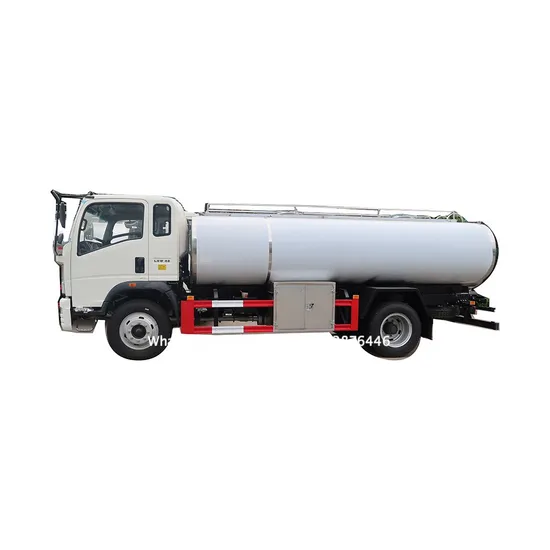
The three-layer tank
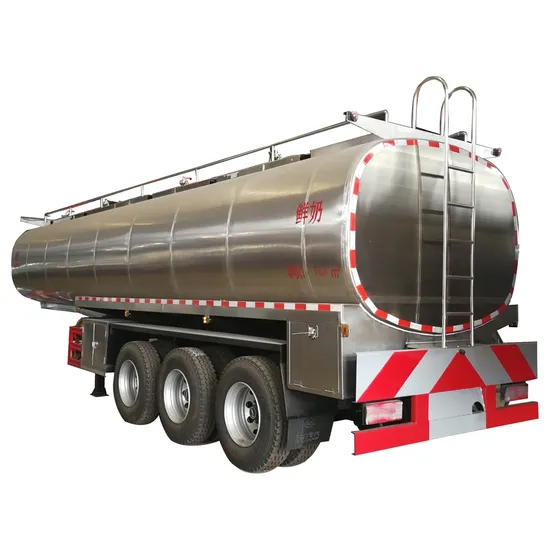
The listing for our 10 m³ HOWO Light milk tanker describes the tank as three layers, with the outside layer there for physical protection. The usual build follows a simple logic. A stainless steel inner shell touches the milk. A layer of insulating material surrounds it. A metal outer skin shields that insulation from rain, knocks and sunlight. Together they slow the flow of heat from warm outside air into the cold milk.
What happens between farm and dairy
- The milk is cooled at the farm or collection point before it goes on the truck.
- A pump moves it through a hose into the tank. The listing above shows a stainless steel pump as an option.
- The tank is closed, and the insulation holds the temperature while the truck drives.
- At the dairy the milk is pumped out, and the tank is rinsed and cleaned before the next load.
Time is the biggest factor. The longer the milk sits in the tank, the more heat the shell lets in, so a short, well-planned collection route does as much as any equipment.
When insulation alone is not enough
Insulation delays warming; it cannot cool milk that arrives warm. Long routes, hot weather, slow unloading queues and part-filled compartments all work against it. Spare space in a compartment lets the milk slosh and leaves air above it that warms through the shell, so filling compartments fully helps.
If your route is long or your climate is hot, ask whether the tank needs a refrigeration unit. Some of our listings carry the word refrigerated in the title, so we confirm exactly what cooling equipment is fitted in the quotation.
Choosing a tanker for your collection round
Start with the volume you collect per trip, then decide how many compartments you need to keep different farm lots apart. Our milk tank trucks range from compact 4x2 models to trailers. The Sinotruk HOWO Light Refrigerated Milk Tank Truck 10m3 lists 10,000 litres in 2 to 3 compartments, and the HOWO Light 4x2 Stainless Steel Milk Tank Truck 5000L lists 5,000 litres in 2 compartments. For high-volume collection, the 3-Axle Stainless Steel Milk Tanker Trailer 30000L lists 3 to 5 compartments. To see models grouped by use, visit milk tanker trucks for sale.
Frequently asked questions
Does a milk tanker need a refrigeration unit?
Not always. For short routes with pre-chilled milk, an insulated tank may be enough. Longer trips, hot weather or slow unloading can justify a cooling unit. Confirm in the quotation what cooling equipment is actually fitted.
Why is a milk tank made of stainless steel?
Stainless steel has a smooth surface that resists corrosion and is easy to clean, so milk residue does not collect. It needs no lining, which suits cargo that must stay hygienic from load to load.
Does a half-full tank keep milk as cold as a full one?
Usually not as well. Spare space lets the milk slosh, which agitates it, and the air above it warms through the shell. Fill compartments fully where you can, and match tank size to the volume you collect.