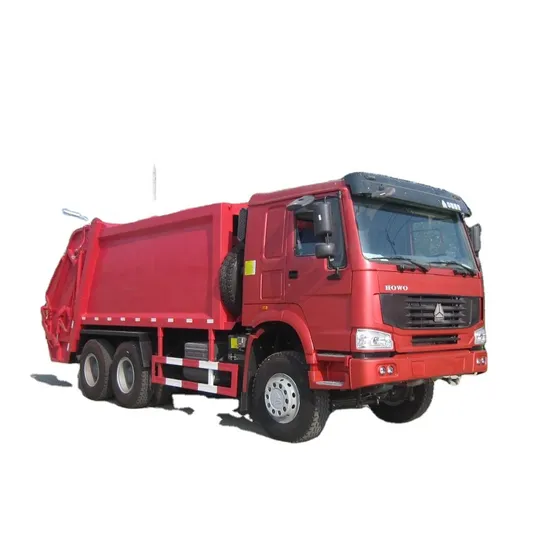
A garbage compactor truck loads waste into a rear hopper, then a hydraulic packer blade sweeps it forward into the body and presses it against the waste already inside. Repeating that cycle squeezes more rubbish into the same body volume, so the truck makes fewer trips to the disposal site. This vehicle is also called a refuse truck or, in everyday speech, a bin lorry.
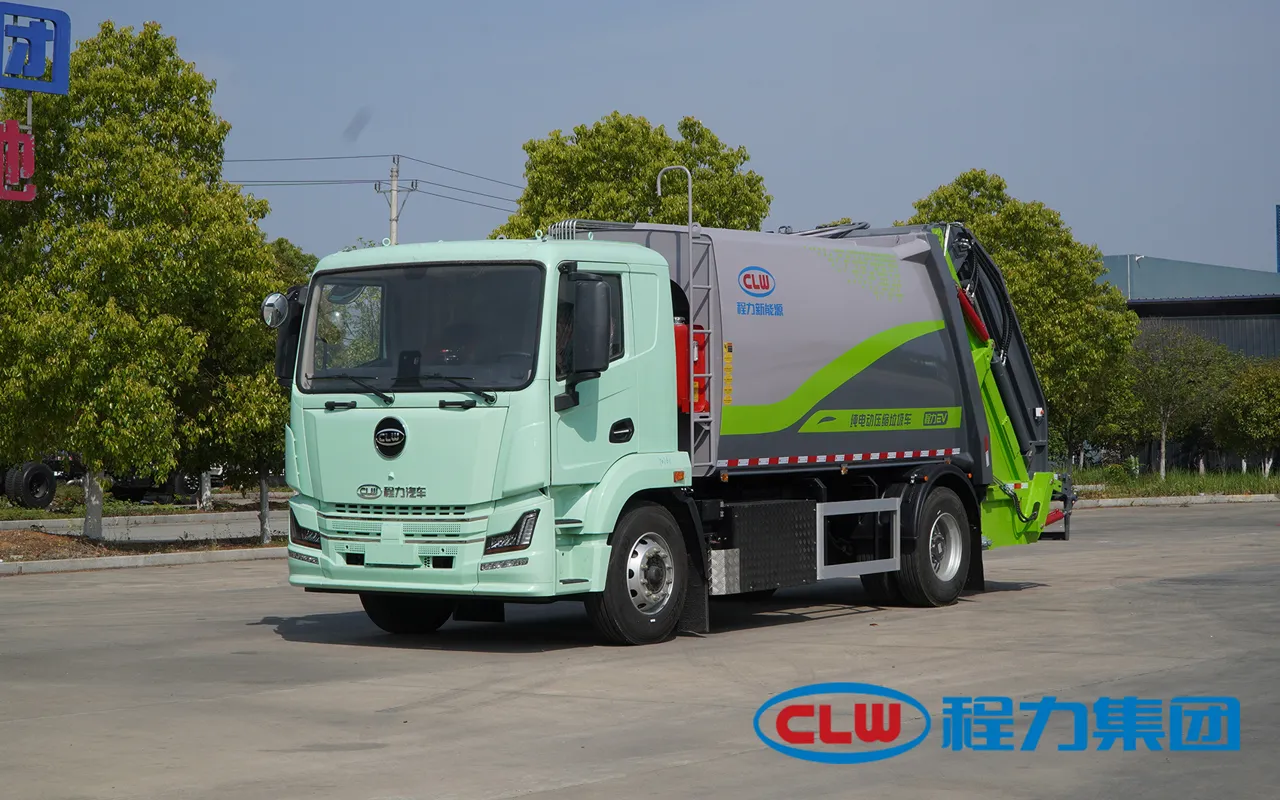
The compaction cycle step by step
Crews or a bin lifter feed waste into the hopper at the back of the truck. From there the cycle repeats:
- Waste drops into the hopper, a low open trough that takes bags, bins or loose rubbish.
- A sweep blade moves through the hopper and pulls the waste toward the opening of the body.
- A packer plate pushes the material up and forward, pressing it against what is already inside.
- Both blades return to the start position and the hopper is ready for the next load.
As the body fills, the packer works against more resistance. A relief valve in the hydraulic circuit protects the cylinders once the body is full.
What powers the packer
The packer is hydraulic. A power take-off (PTO) on the gearbox turns an oil pump, the pump feeds the cylinders through control valves, and the oil returns to a tank. Listed models show how compact this system can be: the 6m3 Refuse Compactor Upper Body Remote Operation lists a 90 L hydraulic oil tank, a 1 m³ hopper and a 4-second bin lifting cycle. Other listings mention PLC or CAN control, which decides when each blade moves.
Why the body is built the way it is
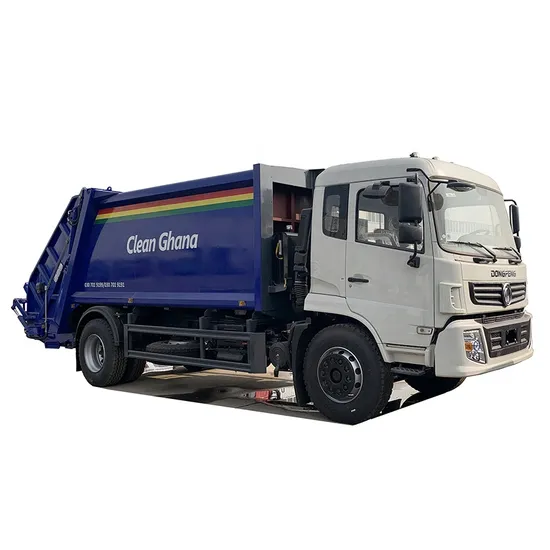
Most compactor bodies are an arc-shaped or curved box in thick steel, because packed waste pushes outward on the walls. Our listings describe 4 mm carbon steel bodies and, on some models, Q345 manganese steel. A sewage tank under the hopper catches liquid squeezed out of wet waste so it does not run onto the road; one listing gives 160 L for this tank, and another offers 304 stainless steel as an option.
To compare models, browse our compactor garbage trucks. The Dongfeng 4x2 Compressed Garbage Truck 12m3 Euro 4 lists a 12-14 m³ box on a manual-transmission 4x2 chassis, and the Jianglin 4x2 Refuse Compactor Truck 8m3 Euro 4 is a smaller option with a 1.0 m³ hopper. Prices and options are summarised on our compactor garbage trucks for sale page, and our guide to choosing a garbage truck size explains how to match volume to your route.
Frequently asked questions
How much more does compaction fit into the body?
It depends on the waste. Soft, wet household waste compresses far more than bulky rigid items, and the result also depends on the hydraulic system. Compare body volume and payload together instead of relying on a single compression ratio.
Can a compactor truck lift wheelie bins?
Yes, when it has a bin lifter at the rear. One of our listings names 240 L and 660 L bins in its title. Check the lifter type against the bins on your routes before you order.
Why does a compactor truck have a sewage tank?
Wet waste releases liquid when it is pressed. The tank collects it so it does not leak onto the road, and it is emptied at the disposal site. Ask whether the tank is carbon steel or stainless steel.
Is a bin lorry the same as a garbage compactor truck?
It is another name for a refuse truck, and most are rear-loading compactors that work as described above: a hopper, a sweep blade and a hydraulic packer press the waste into the body.