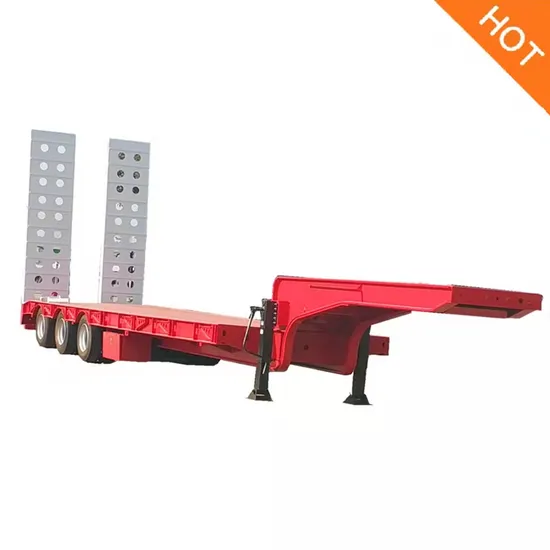
A new tractor head must be assessed with the actual semi-trailer it will pull. Start with the coupling interface, height relationship, air and electrical connections, then review the completed combination and intended load. A shared general vehicle category does not establish compatibility.
For an existing trailer, gather its identification and technical documents before requesting the tractor quotation. Photographs help identify the equipment, but they should support the documented specifications rather than replace them.
Identify the coupling on both sides
Ask for the trailer kingpin information and the proposed tractor fifth-wheel specification. Record the component identities and relevant ratings from their documentation. Do not assume the required size or model from a catalogue picture.
Provide the trailer drawing and ask the responsible suppliers to confirm the proposed interface. Keep any unknown coupling information as an open item. A generic statement that the tractor can pull semi-trailers is not a confirmation for your specific equipment.
Compare the height and clearance arrangement
Request the relevant coupling-height information for the tractor and trailer, with the conditions under which it is specified. Ask for a drawing of the proposed combination showing the dimensions needed for a clearance review.
Include the trailer front-end geometry and any installed equipment that may matter to the interface. Do not combine a tractor height from one configuration with a trailer drawing for another. The review should identify the exact vehicles and equipment being considered.
| Matching group | Existing trailer information | New tractor information requested |
|---|---|---|
| Coupling | Kingpin identification and relevant documentation | Fifth-wheel model, ratings and compatibility confirmation |
| Height and clearance | Trailer geometry and specified coupling conditions | Relevant height and combination-clearance drawing |
| Air connections | Documented braking and connection arrangement | Compatible equipment and identified interfaces |
| Electrical connections | Connector and system information | Matching supply and connection specification |
| Weight and duty | Trailer weight, intended cargo and load information | Completed tractor and combination documentation |
Do not stop at a connector photograph
For air and electrical systems, supply the available technical information and ask for confirmation of the complete interface. A connector that appears familiar does not document the system behind it. Identify any additional equipment or supported changes explicitly in the proposal.
This is a procurement review, not instructions for adapting brake or electrical systems. Any required work should be defined and carried out by the responsible qualified parties, with the relevant documents updated.
Two catalogue examples show what is known and what is missing
The Dongfeng 6×4 tractor truck, model DFL4251AX, lists a 3,400 + 1,350 mm wheelbase and a 375 hp engine. Those entries identify the catalogue proposal, but they do not establish the fifth-wheel specification or compatibility with your trailer.
The three-axle low-flatbed semi-trailer is an equipment-transport product example. Its source dimensions include alternatives, so they should not be assembled into one assumed trailer size. Request the drawing for the selected configuration.
These two product links do not constitute approval of a matched combination. They provide starting points for requesting the missing interface and weight information together.
Review the complete load case
Provide the intended cargo and its distribution information, the trailer's completed weight and the destination. Ask for the combination and axle documentation relevant to the proposed tractor and trailer. Engine horsepower is not a substitute for those records.
If the tractor will work with several trailers, list them individually. A confirmed match with one does not establish compatibility with the whole fleet. Ask the supplier to identify the supported combinations and any differences in equipment or limits.
Keep the accepted match traceable
Record the tractor build, trailer identity, coupling components and drawing revisions in the purchase file. If any of them change, request a review of the affected interface rather than assuming the original confirmation remains applicable.
At delivery, compare the supplied identifiers and documentation with the accepted proposal. Arrange the relevant inspection and operator instruction through the responsible parties. This closes the gap between a paper quotation and the actual equipment without turning a buying guide into a coupling procedure.
Send a trailer information pack
Give Chengli your existing trailer plate details, drawings, coupling data, connection information, intended cargo and destination. Request a tractor proposal that answers each matching group explicitly. That is a sounder basis for selecting a tractor head than choosing horsepower first and discovering interface questions after delivery.