A road surfacing task can require several distinct equipment roles. Bitumen must reach the work area, be transferred into the working equipment. Be applied according to the project specification. Where chip sealing is required, total supply and placement become another part of the sequence. An asphalt distributor truck, a supply trailer and a synchronous chip sealer should therefore be selected for their particular jobs.
Follow the material from supply to the road
The planning sequence is: bitumen source → transport and holding equipment → transfer to application equipment → controlled binder spraying → total placement where the selected treatment requires it. total has its own supply path into the spreading equipment. The project method determines whether the binder and stone application are handled by separate machines or a synchronous unit.
This sequence is a purchasing framework, not a substitute for the project's surfacing specification. It helps identify equipment interfaces, replenishment locations and the resources needed to keep the working machine supplied.
Use tank trailers for the supply role described by their equipment
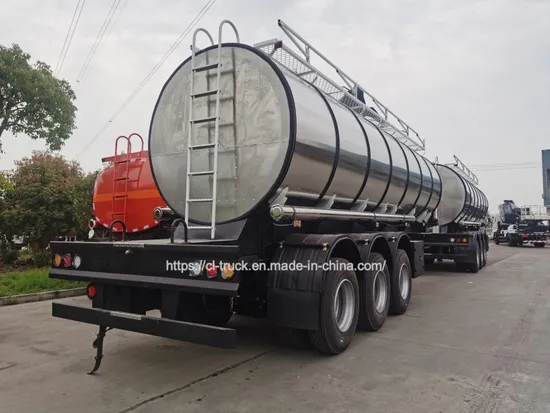
The three-axle bitumen tank trailer detailed table describes a 45 m³ tank configuration with a 100 mm insulation layer, outlet valves and heaters. These features are relevant to carrying and handling bitumen supply. A trailer also needs a suitable towing arrangement and a planned transfer interface at the work location.
The bitumen trailer listed for roadwork likewise describes an insulated 45 m³ tank configuration, outlets and heaters in its detailed equipment schedule. Its supply role should be assessed from those features. The word “sprayer” in a title does not by itself specify a road application bar or controlled distribution system.
Assign controlled binder application to the distributor
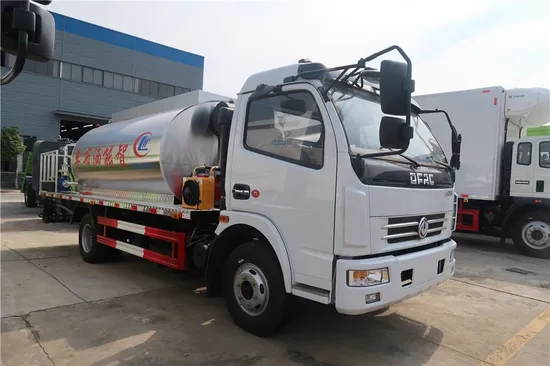
The Dongfeng 4×2 asphalt distributor truck provides a different equipment focus. Its specification includes an asphalt pump drive, hydraulic pump, heating arrangement and a listed 4.5 m spray width. These entries relate directly to applying binder across the work surface.
The distributor should be ordered around the project's binder and application requirements, with its exact tank and spray configuration identified. Supply-trailer volume should not be substituted for the distributor's working capacity. A transport outlet should not be treated as equivalent to the distributor's application equipment.
Plan the total side of chip sealing
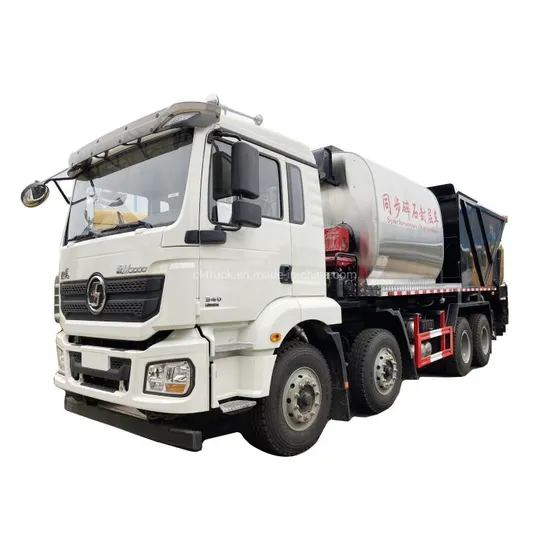
The HOWO synchronous chip sealer is identified as a synchronous sealing machine, with an 8 m³ tanker and 4 m distribution width in its detailed table. Its role belongs in the binder-and-chip application stage. The equipment description does not provide a separate numerical aggregate-bin schedule, so a stone capacity should not be inferred from unrelated title wording.
The Shacman synchronous surface chip sealer title identifies an 8000 L asphalt tank and 12000 L gravel tank, while the detailed table lists an 8 m³ tanker and 4 m distribution width. The separate asphalt and gravel descriptions help structure the replenishment discussion: each material requires its own supply arrangement.
Write the fleet brief around interfaces
- Identify where bitumen is loaded, held and transferred.
- State which vehicle performs controlled binder application.
- Identify total delivery and loading arrangements for chip sealing.
- Provide the intended working area and access for replenishment vehicles.
- Keep each selected machine's storage and application specifications separate.
For road contractors, this role-based brief makes the equipment enquiry practical. Suppliers can quote the transport, spraying and sealing components as distinct parts of the operation, with clear connections between them and without promising production rates unsupported by the available project information.