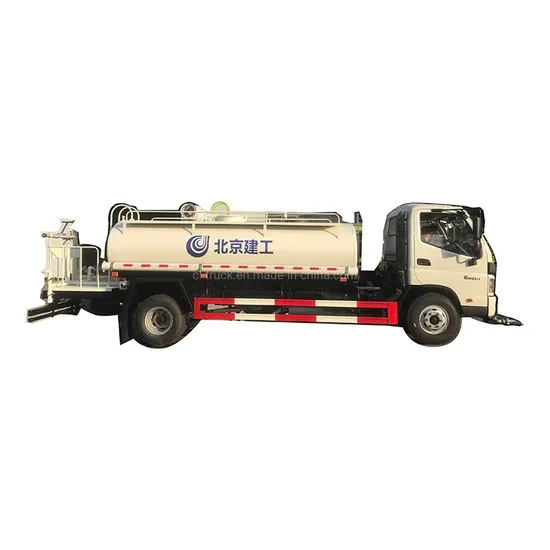
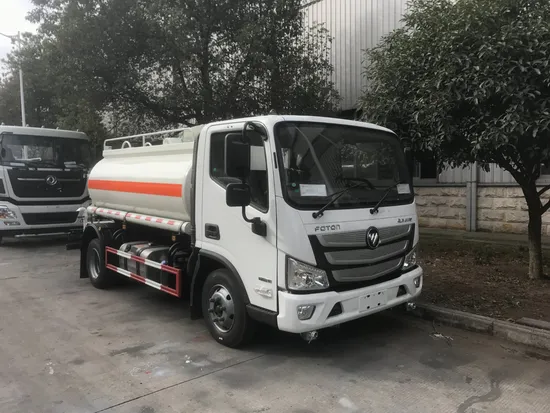
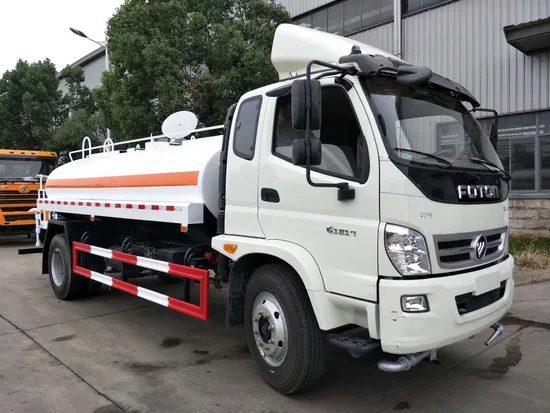
Uganda's Pre-Export Verification of Conformity (PVoC) programme is run by the Uganda National Bureau of Standards (UNBS) through appointed inspection companies, and regulated goods need a Certificate of Conformity (CoC). A Bureau Veritas programme document says new and used motor vehicles fall under a separate vehicle programme, and the vehicle material we found covers used vehicles only. The rule for new trucks is not confirmed, and the steps below come from general-goods material, not a vehicle-specific procedure, so check with UNBS before shipping a truck.
What the programme is and who runs it
According to the Bureau Veritas programme document (Rev. 11.3, July 2024), UNBS runs the general goods programme under the UNBS Act and the Import Clearance Inspection Regulations. It started on 1 June 2013, with a renewal dated 24 February 2023. Assessment is documentary review, control testing if necessary and physical inspection, ending in a CoC or a Non-Conformity Report (NCR).
The document says Bureau Veritas is appointed "and other companies as stated on UNBS web site"; TÜV Rheinland and Intertek say on their Uganda pages that they are authorised to issue the CoC. An HQTS brochure (July 2023) lists 11 product categories, one covering used commodities including used motor vehicles. The Monitor (31 August 2026) reports that UNBS has launched an ePortal linked to the Uganda Revenue Authority's ASYCUDA World system.
Does it cover new trucks?
Not confirmed.
- The Bureau Veritas document says new and used motor vehicles are subject to another PVoC programme specific to motor vehicles, with its own providers listed on the UNBS website. The UNBS site refused our requests, so we could not open that list.
- TÜV Rheinland's Uganda page lists "Automotive" and "Used products" as regulated categories without saying whether complete vehicles are meant. Intertek's Uganda page does not mention vehicles.
- Provider pages on vehicles concern used vehicles. QISJ (16 June 2020) says UNBS designated it for roadworthiness inspection of used vehicles from Japan, the UK and the UAE. EAA (17 March 2025) says UNBS re-appointed it, used vehicles need a CoC, and inspections started on 20 March 2025.
- The Monitor and Pulse (2023) describe a Certificate of Road Worthiness and a 15% CIF surcharge on used cars without one.
- The Monitor (31 August 2026) says the ePortal may automatically clear some pre-inspected consignments, with motor vehicles as a key example, without defining which vehicles.
None of these sources says whether a new truck from a manufacturer needs a certificate.
Steps before shipment
- Ask UNBS or your clearing agent whether your truck falls under the vehicle programme, and which providers are appointed for it.
- Choose an appointed provider for your shipping origin.
- The exporter or importer applies through the Uganda Electronic Single Window (UeSW) and sends a request to the provider.
- The provider carries out documentary review, testing if needed and physical inspection.
- The provider issues a CoC if the goods conform, or an NCR if not.
- Use the certificate for clearance and follow the consignment through the UNBS ePortal.
What to ask your truck supplier for
For general goods the programme document lists an invoice with the importer's TIN, a packing list, traceable test reports and a product declaration form. In practice, ask for:
- Commercial invoice, packing list and bill of lading.
- Vehicle specification sheet with model, drive side and emission standard. See our guide to left-hand and right-hand drive trucks.
- Chassis or VIN list, year of manufacture and photographs including the chassis plate.
- Test or inspection reports, if the provider requests them.
Models for this market are listed on our special-purpose trucks for Uganda page.
What to confirm with your clearing agent
- Whether new trucks need a certificate, and which providers cover your origin.
- Whether tippers, tankers and crane trucks count as vehicles or equipment.
- Inspection and destination inspection fees, which 2023 reports quote differently.
- Penalties for a missing certificate; the 2023 surcharge concerned used cars.
- Certificate validity, age limits, exemptions, duty, taxes and registration.
- Emission or fuel rules, and whether later notices changed provider arrangements.
Frequently asked questions
Is vehicle PVoC the same as general goods PVoC in Uganda?
No. A Bureau Veritas programme document says new and used motor vehicles fall under a separate vehicle PVoC programme with its own providers.
What can an inspection result be?
A Certificate of Conformity or a Non-Conformity Report. Failing goods may be re-exported or destroyed at the importer's expense (The Monitor, 31 August 2026).
Do new trucks need a certificate in Uganda?
Not confirmed. The sources we found cover used vehicles and do not state the rule for new trucks; confirm with UNBS.
Sources checked
- Uganda (PVoC) General Goods programme document, Rev. 11.3 - Bureau Veritas, July 2024
- Uganda PVoC - TÜV Rheinland, seen October 2026
- PVoC for Exports to Uganda - Intertek, seen October 2026
- Uganda Used Vehicle PVOC Program - QISJ, 16 June 2020
- PVoC program for Uganda - EAA, 17 March 2025
- Uganda Pre-Export Verification of Conformity brochure - HQTS, July 2023
- UNBS launches ePortal to speed up clearance of imported goods - The Monitor, 31 August 2026 (news)
- Inside the pre-export car inspection battle - The Monitor, 18 October 2023 (news)
- UNBS shifts car inspection to border points - The Monitor, 1 October 2023 (news)
- UNBS slaps tight restrictions on imported used cars - Pulse Uganda, 29 September 2023 (news)
Last checked: October 2026. Rules change; this guide is general information, not legal or customs advice.