Tanzania's Pre-Export Verification of Conformity (PVoC) programme is run by the Tanzania Bureau of Standards (TBS) through appointed inspection companies. Regulated consignments need a Certificate of Conformity (CoC); TBS uses a Certificate of Roadworthiness (CoR) for vehicles. The TBS pages we read treat motor vehicles as used vehicles, with their own provider lists, procedure, penalty notice and destination-inspection route, and say nothing about new vehicles, so whether a new truck needs a certificate is not confirmed; check with TBS or your clearing agent. The steps below follow TBS's general PVoC procedure, not a vehicle-specific one.

What the programme is and who runs it
According to the TBS Guideline for PVoC Programme (2025), TBS runs a consignment-based conformity assessment: goods are inspected or tested against a standard or approved specification before shipment to Tanzania. The TBS import control page says the programme rests on section 4(1)(s) of the Standards Act No. 2 of 2009.
The guideline says the general goods contract for 2025 to 2028 includes Intertek International, SGS and TUV-Rheinland, and that China Certification and Inspection Group (CCIC) works under a separate agreement for goods from mainland China, Macau, Hong Kong and Taiwan. It adds that CCIC's scope was extended to used motor vehicles from those places, that EAA Company Limited inspects used vehicles from Japan and the United Kingdom, and that Quality Inspection Services Inc. Japan (QISJ) inspects used vehicles in Dubai. (We could not re-read the guideline PDF in October 2026; these provider details come from our earlier reading.) The TBS import control page, seen October 2026, also lists a contact list for World Standardization Certification and Testing Group (WSCT) among general goods providers, which the guideline text we read does not mention.
According to the guideline, a CoC or CoR is valid for three months from issue, and TBS may reject a consignment at the port if it is found non-conforming.
Does it cover new trucks?
Not confirmed. The TBS sources are framed around used vehicles.
- TBS publishes a list of motor vehicle HS codes regulated under PVoC (March 2025). Its own title reads "Motor Vehicles HS Codes Regulated by TBS under PVoC Scheme" and it includes road tractors (8701), goods vehicles (8704) and, under heading 8705, crane lorries and concrete-mixer lorries. The list text does not say new or used, but the TBS import control page links it as "Regulated HS Codes under Used Motor Vehicles".
- The same TBS page files the vehicle service providers, the vehicle procedure (2020) and the vehicle penalty notice under used motor vehicles, and describes a separate destination-inspection route for used vehicles. It does not mention new vehicles.
- The vehicle penalty notice we read applies to used vehicles without a CoR, and the provider assignments in the guideline are for used vehicles.
- The TBS exemption document lists categories such as personal goods, government project goods and temporarily imported goods. It does not list new vehicles as a category. Exempted goods undergo destination inspection.
- The vehicle list names only two subheadings under 8705. Tankers, tippers and fire trucks may fall under other codes, so the correct HS classification matters.
We could not open TBS's vehicle procedure document (listed as 2020), so we cannot say whether it addresses new vehicles.
Steps before shipment
- Check whether your product's HS code is on a regulated list, and check the exemption categories (TBS import control page).
- The supplier or importer sends a Request for Certification (RFC) to a TBS service provider for each shipment (TBS summarised PVoC procedure).
- The provider asks the exporter when and where the goods are ready, and for technical details and conformity evidence such as third-party certificates or test reports.
- The provider checks the documents and may take samples for testing if proof is insufficient.
- Physical verification confirms the goods match the documents, the standards and the inspection order. Critical non-conformities lead to rejection and a non-conformity report.
- If compliance is established, a CoC is issued and collected by the exporter or importer.
- The importer submits the original CoC with the bill of lading or other transport document, commercial invoice and Tanzania Revenue Authority (TRA) assessment document to TBS through its online system, oas.tbs.go.tz, for authentication. The authenticated certificate is then used for clearance at the port.
What to ask your truck supplier for
The guideline lists items the exporter submits with the RFC, including a product description stating intended use, the manufacturer's technical specification, manuals (with English or Swahili translation where applicable), manufacturer quality certificates where applicable and a mandatory proforma or commercial invoice. In practice, ask for:
- Commercial invoice, packing list and bill of lading.
- Vehicle specification sheet with drive side and emission standard. See our guide to Euro emission standards for trucks.
- Chassis or VIN list and year of manufacture.
- Photographs of each vehicle and its chassis plate.
- Test or inspection reports, if the provider requests them.
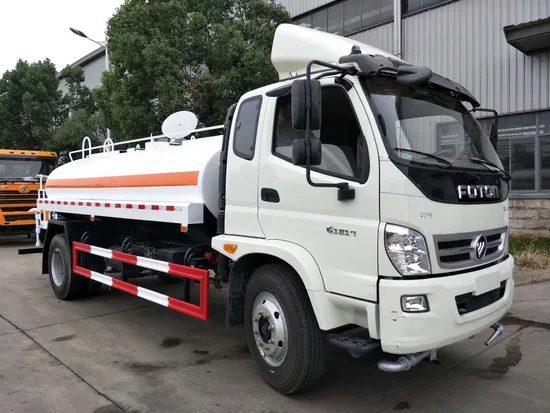
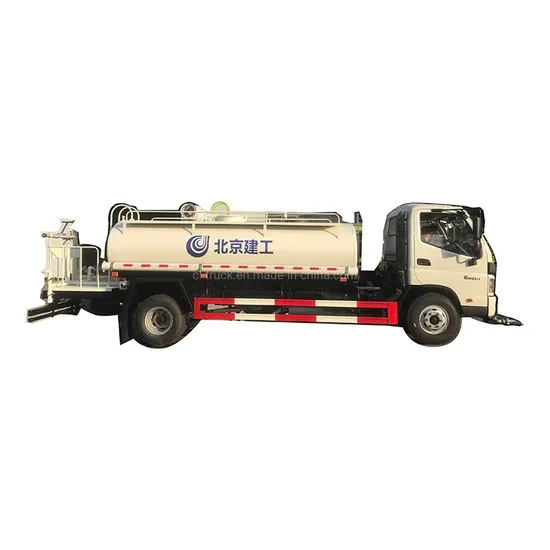
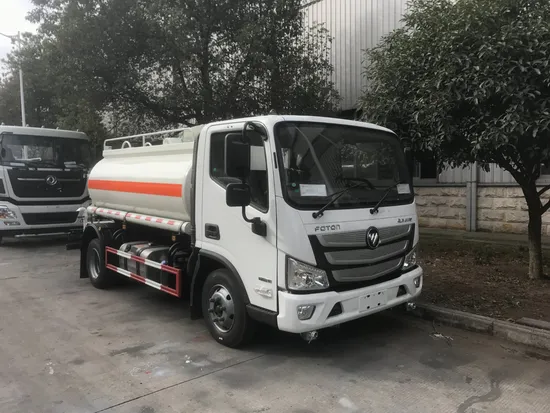
Suitable models are listed on our special-purpose trucks for Tanzania page.
What to confirm with your clearing agent
- Whether a new truck needs a CoC or CoR, or can be cleared another way.
- The HS code for your body type, and whether it is on the regulated list.
- Which provider covers your shipping origin, and its fees. The guideline and provider list state fees, but they change.
- Whether the three-month certificate validity fits your shipping time.
- Penalties and destination inspection if a certificate is missing. The notice we read covers used vehicles only.
- Age limits, import duty, TRA assessment and vehicle registration.
- Emission and fuel rules for your truck.
How long is a TBS certificate valid?
The TBS guideline says a CoC or CoR is valid for three months from the date of issue.
What happens to the certificate in Tanzania?
The importer submits the original certificate with shipping documents to TBS through its online system for authentication. The authenticated certificate is then used for clearance at the port.
Are new trucks covered by TBS PVoC?
Not confirmed. TBS's vehicle HS code list includes goods vehicles and some special-purpose vehicles, but TBS files it, the vehicle provider lists, the vehicle procedure and the penalty notice under used motor vehicles, and the pages we read do not mention new vehicles. Confirm with TBS or your clearing agent.
Sources checked
- Imports and Export Control - TBS web page, seen October 2026
- Guideline for Pre-Shipment Verification of Conformity (PVoC) Programme - TBS, 2025 (undated PDF)
- Summarised PVoC Procedure - TBS, August 2026
- PVoC Exempted Categories and Criteria - TBS, undated PDF
- List of Motor Vehicles HS Codes Regulated under PVoC - TBS, March 2025
- Applicable Penalty for Uninspected Used Motor Vehicles - TBS, undated PDF
- List of Contracted Service Providers and Zones, General Goods - TBS, undated PDF
Last checked: October 2026. Rules change; this guide is general information, not legal or customs advice.