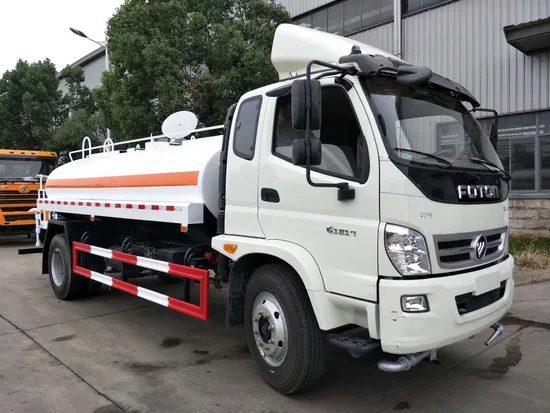
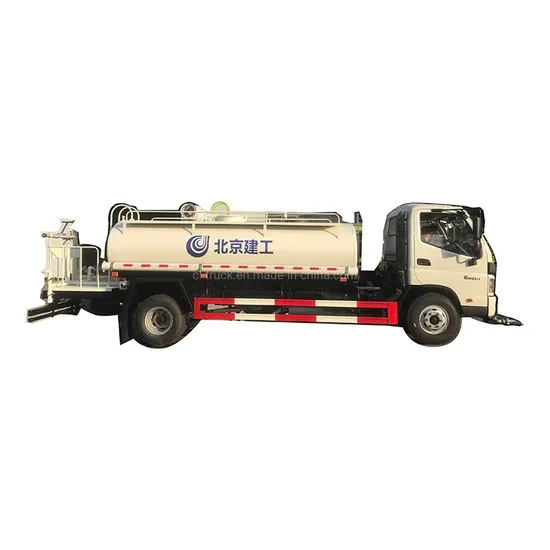
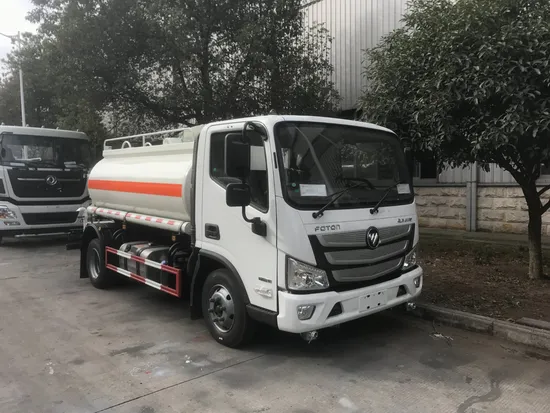
South Africa controls imported road vehicles through the National Regulator for Compulsory Specifications (NRCS). The government service page says a Letter of Authority (LoA) must be obtained before a new or used goods vehicle is imported. The steps below describe that LoA route, which covers new and used vehicles alike; it is a general import-authorisation process, not a procedure written only for new heavy trucks. For new heavy trucks (category N2/N3), a gazette-based compulsory specification, which a levy schedule lists as VC8025, also requires each model to be homologated; we could not read its current text. Not confirmed: the NRCS fees and documents, the current LoA processing time, whether a special-purpose body needs its own homologation, the role of the Department of Transport, SABS and eNaTIS in the process, and any emission requirement. Check these with the NRCS or your clearing agent.
What the programme is and who runs it
The NRCS issues the Letter of Authority. According to the government page "Letter of authority in respect of a motor vehicle" on gov.za, vehicles must meet the National Road Traffic Act, 1996 (Act 93 of 1996), and importers must provide proof of conformity with South African Bureau of Standards (SABS) requirements. The page does not name any compulsory specification (VC) number and does not mention homologation. TÜV Rheinland's market-access page describes the route as registration of the manufacturer or importer with the NRCS, testing by an accredited laboratory, then issue of the LoA. It states that the LoA is valid for three years, with a two-year extension available.
Does it cover new trucks?
Yes, on the sources read. The gov.za page says an LoA is needed for new or used imports, including goods vehicles (trucks or vans), trailers and special vehicles such as mobile cranes, tractors and harvesters, whether the vehicle was built in South Africa or abroad. TÜV Rheinland lists vehicle categories M1-M3, N1-N3, O1-O4 and L as in scope.
Heavy trucks also appear to have a separate vehicle rule. The Trade Barriers database summarises an N2/N3 compulsory specification (Government Gazette No. 33059, 1 April 2010, in force 1 June 2010). According to that summary it covers N2 and N3 models not previously registered or licensed in South Africa, and says registered manufacturers, importers and builders must have each model homologated by the regulatory authority, with a written application per model. The summary gives no VC number. Notice R. 6235 of 2025 (levy and fee schedule, via acts.co.za) lists "N2/N3 - Heavy Commercial Vehicles (VC8025)" and a separate homologation fee item for N2/N3 vehicles; in the same schedule VC8022 is M1 cars, VC8023 buses, VC8024 N1 light commercial vehicles, VC8026 and VC8027 trailers, so VC8025 is the number for this vehicle class, and the other VC numbers do not cover heavy trucks. A 2014 gazette notice (Notice 804 of 2014) proposed amending the N2/N3 specification; we did not find the outcome and did not see the current specification text, so the 2010 summary may be out of date.
The same database summary says the specification does not apply to prototypes, type "A" military vehicles, agricultural tractors, or "special purpose vehicles of the type covered by" the National Road Traffic Act. The sources do not say whether tippers, tankers, crane trucks or fire trucks count as special-purpose vehicles. Confirm this for your body type. The R. 6235 schedule also has separate fee lines for N2 and N3 "Custom Built Bodies and Modifications / Conversions" under VC8025, but no source we read says whether a special-purpose body built on a chassis needs its own homologation. A Freight News article of 9 June 2000 said vehicles designed for off-road use were excluded from the LoA requirement; the gov.za page does not repeat that, and the article is very old.
Steps before shipment
- Decide who applies. According to gov.za, for a single vehicle only the person in whose name it will be registered may complete the form.
- Choose the form. gov.za lists LoA1 (import and register or licence a vehicle), LOA2 (continuous import of new vehicles), LOA3 (import for a specific purpose) and LOA-X (letter of authority or exemption for a specific purpose).
- Complete the form and send it to the NRCS with the documents listed on the form. gov.za names only proof of SABS conformity.
- Pay the fee. gov.za gives no amount and refers to the application form.
- For N2/N3 trucks, ask the NRCS whether the model is already homologated. The database summary says homologation belongs to the registered manufacturer, importer or builder that obtained it.
- Wait for the LoA. gov.za says the importer must "first obtain" it and gives a processing time of four to six days.
What to ask your truck supplier for
- A full specification sheet showing vehicle category and gross vehicle mass.
- Steering position (left or right-hand drive) and emission standard of the engine. See our guide to left-hand drive vs right-hand drive trucks.
- The chassis or VIN list for each unit and photographs of the vehicle and body.
- Any test or inspection reports the NRCS or your agent asks for.
- Commercial invoice, packing list and bill of lading, as normally supplied for any shipment.
Models for this market are shown on our special-purpose trucks for South Africa page.
What to confirm with your clearing agent
- The NRCS fee for the LoA and for homologation. We read no current amounts.
- The documents listed on the current form. gov.za does not list them.
- Processing time. gov.za says four to six days; a SAnews article of 29 August 2014 reported 120 days. The NRCS's own pages could not be opened during our research.
- LoA validity. TÜV Rheinland says three years plus a two-year extension; confirm with the NRCS.
- Whether your body type counts as a special-purpose vehicle, whether N2/N3 homologation applies, and whether a body built on a chassis needs its own homologation: not confirmed.
- Registration of the manufacturer, importer or builder with the NRCS, the eNaTIS vehicle model number, and any role of the Department of Transport or SABS: not confirmed; the gov.za page shows the Department of Transport and eNaTIS only as related links.
- Emission and fuel-quality requirements (for example any Euro standard): not confirmed; none of the sources read states one for this vehicle class.
- Duty, vehicle registration and any inspection after arrival.
Sources checked
- Letter of authority in respect of a motor vehicle - Government of South Africa (gov.za), undated page, copyright 2026
- South Africa NRCS LoA (Letter of Authority) - TÜV Rheinland, undated page, copyright 2026
- Amendment to the Compulsory Specification for Motor Vehicles of Category N2/3 - Trade Barriers database, summarising Government Gazette No. 33059 of 1 April 2010
- NRCS Act levy and fee schedule, Notice R. 6235 of 2025 - acts.co.za, gazette date not shown
- Don't forget the LOA for vehicle imports - Freight News, 9 June 2000
- Dti clarifies NRCS - SAnews, 29 August 2014
Last checked: October 2026. Rules change; this guide is general information, not legal or customs advice.
Frequently asked questions
Does a new truck need an NRCS Letter of Authority?
According to gov.za, an LoA is required before importing a new or used goods vehicle or trailer, whether it was built in South Africa or abroad.
Does a heavy truck also need homologation?
A trade database summary of the N2/N3 specification says each model must be homologated by the regulatory authority. Confirm the current rule and whether your body type is treated as a special-purpose vehicle.
How long does the Letter of Authority take?
gov.za states four to six days. A 2014 news article reported 120 days, so confirm the current time with the NRCS or your agent.