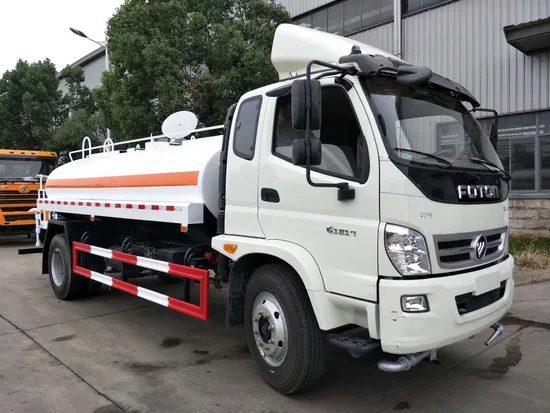
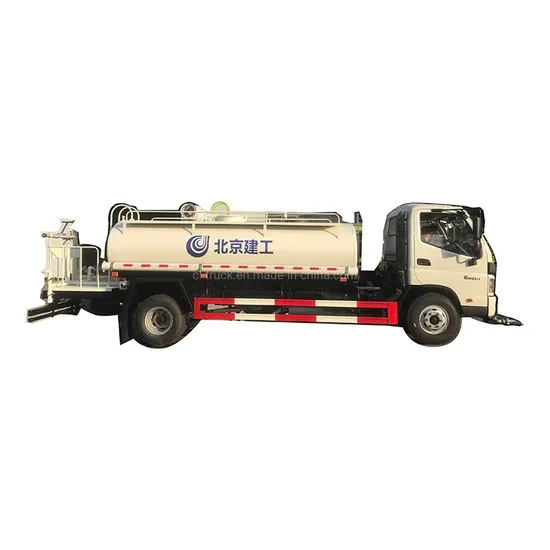
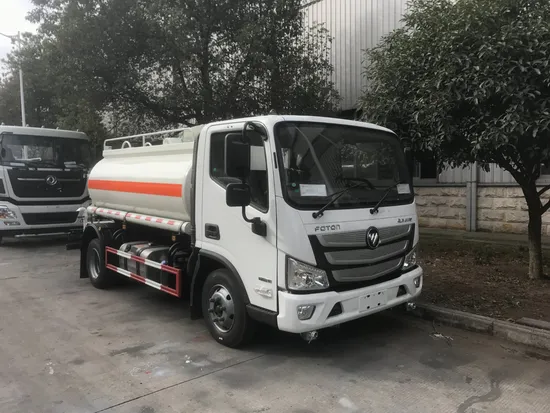
Kenya's Pre-Export Verification of Conformity (PVoC) programme is run by the Kenya Bureau of Standards (KEBS) through appointed inspection companies, and it has three separate routes: general goods (Certificate of Conformity, CoC, from one of nine contractors), used vehicles, mobile equipment and used spare parts (Certificate of Roadworthiness, CoR, or CoC from one contractor, QISJ), and new vehicles. For a new truck, the route is not confirmed: the KEBS manual lists new road vehicles among exemption categories (manufacturer warranty or type approval), but we found no KEBS procedure that says whether a new special-purpose truck needs a CoC, a CoR or only that document. The steps below are taken from the general PVoC manual, not from a new-vehicle procedure. Confirm the route with KEBS or your clearing agent before shipment.

What the programme is and who runs it
According to the KEBS PVoC Program Operations Manual, Version 15 (19 February 2026), PVoC is a conformity assessment applied in the exporting country, against Kenya standards, approved specifications and other applicable regulations. KEBS inspects imports either in the country of export or at the destination port.
The manual says contracted inspection companies carry out the programme. It lists nine contractors for general goods for 2026 to 2029, including Intertek, Cotecna, TÜV Rheinland, Bureau Veritas Kenya, SGS and QISJ, and one contractor for motor vehicles, vehicle spare parts and mobile equipment, Quality Inspection Services Inc. Japan (QISJ). The KEBS inspection portal's PVoC overview page, seen in October 2026, still lists six general-goods contractors and gives no contract dates, so it differs from the manual; use the manual and check with KEBS. The manual gives the legal basis as Legal Notice 78 of 2020, as amended. The importer starts by sending a Request for Certification (RFC) to the contractor.
Three routes: general goods, used vehicles, new vehicles
- General goods: a CoC from one of the nine contractors, assigned by exporting country in the manual's zone table.
- Used vehicles, mobile equipment and used spare parts: QISJ, in six listed countries (below). The KEBS portal page for this route covers only used items and does not mention new vehicles.
- New vehicles: not confirmed, as explained in the next section.
Does it cover new trucks?
The sources do not give one clear answer for new special-purpose trucks, so treat these points as leads, not conclusions.
- The manual's vehicle section describes QISJ inspecting used vehicles, mobile equipment and used spare parts in six listed countries: Japan, Singapore, South Africa, Thailand, the United Arab Emirates and the United Kingdom. China is not listed. (The text says "five" countries but names six.) For used vehicles it cites KS 1515, the code of practice for inspection of road vehicles. The KEBS portal's roadworthiness guideline (September 2026) cites KS 1515:2000 and describes it as a roadworthiness inspection code; neither source says KS 1515 sets the rules for new vehicles.
- Annex 1 of the manual lists "new road vehicles and new mobile equipment" among categories with exemption criteria. The criterion is a manufacturer warranty or type approval, and the remark says clearance is based on year of manufacture. The exemption criteria page on the KEBS inspection portal, seen October 2026, does not show this row (it lists, among others, new motor vehicle parts and vehicles from countries with no KEBS inspection arrangement), so the two KEBS sources are not aligned.
- Another Annex 1 item sends vehicles from countries with no KEBS vehicle inspection arrangement to destination inspection. The manual does not say how this applies to new vehicles.
- The manual's exemption guidelines (WETC criteria) include a category for special purpose vehicles such as mobile laboratories, fire engines, ambulances and jet fuel bowsers. It asks for an application, an independent report on the customisation, a vehicle not more than 20 years old from the year of manufacture, and an emission test report against KS 1515:2019. The manual does not say whether this category applies to new trucks, or to tippers, tankers and crane trucks.
- The manual defines mobile equipment to include moveable cranes and other off-road vehicles. It does not say whether crane trucks, tippers or tankers count as road vehicles or mobile equipment.
- Press reports of the 2022 QISJ appointment describe it as covering second-hand items only.
Registration and inspection after arrival are separate from PVoC. Nation Africa (27 June 2026) reports that under the Traffic (Motor Vehicle Inspection) Rules, 2026, new commercial vehicles must be inspected before registration and trucks are inspected annually. Check the current position with NTSA.
Steps before shipment
These steps come from the general PVoC manual. They are not a confirmed procedure for new trucks.
- Obtain the applicable Kenya Standards from KEBS and any other regulatory import requirements, and pass them to your supplier (manual, importer responsibilities).
- Ask KEBS or your clearing agent which route applies: a CoC or CoR from a contractor, or the new-vehicle exemption criteria in Annex 1.
- If certification applies, send the RFC to the appointed contractor. The manual says inspection is scheduled with the exporter and may include sampling and testing.
- Check the draft certificate. The manual says it must be confirmed within 48 hours and that KEBS allows no amendments after issuance.
- A consignment issued a non-conformity report (NCR) is not allowed entry into Kenya, according to the manual.
- At the port, copies of the CoC or CoR go to KEBS and the Kenya Revenue Authority through the Single Window, with the customs entry, bill of lading, Import Declaration Form, invoice and packing list, plus a genuine warranty or type approval for new vehicles "where applicable". Goods without a required certificate face destination inspection.
What to ask your truck supplier for
- Commercial invoice, packing list and bill of lading.
- Vehicle specification sheet, including drive side. See our guide to left-hand and right-hand drive trucks.
- Emission standard of the engine, stated on the specification sheet.
- Chassis or VIN list and year of manufacture for each unit.
- Photographs of each vehicle and its chassis plate.
- Manufacturer warranty or type approval document, if your agent confirms it is needed.
- Test or inspection reports, if the inspection company or KEBS asks for them.
Models for this market are listed on our special-purpose trucks for Kenya page.
What to confirm with your clearing agent
- Whether your truck type is a "new road vehicle" or "mobile equipment" for KEBS, and whether a certificate or only a warranty or type approval is needed.
- Whether the special purpose vehicle exemption category applies to a new truck, and whether any age or emission test requirement applies.
- How trucks shipped from China, which is not on the manual's vehicle country list, are treated.
- Inspection and destination inspection fees, which the manual sets out but which change.
- Age or year-of-manufacture limits for new vehicles.
- Import duty, taxes and NTSA registration, including pre-registration inspection.
- Emission and fuel rules for your truck.
- Whether contractor appointments, including QISJ's, have changed since February 2026.
Does a new truck need a KEBS certificate?
Not confirmed. The manual lists new road vehicles and new mobile equipment among exemption categories, with a manufacturer warranty or type approval as the criterion, but the KEBS portal's exemption page does not show that row. Neither says how special-purpose trucks are classified, so confirm this with KEBS or your clearing agent.
Who issues vehicle certificates for Kenya?
For used vehicles, mobile equipment and used spare parts, the manual and the KEBS portal name QISJ as the only contractor, working in six listed countries. China is not among them. Which body, if any, certifies a new truck is not confirmed.
Is there an inspection after the truck arrives?
Nation Africa reported on 27 June 2026 that new commercial vehicles must be inspected before registration under the 2026 NTSA inspection rules. This is separate from PVoC.
Sources checked
- PVoC Program Operations Manual, Version 15 - KEBS, dated 19 February 2026 (copy hosted by iib.org.tr; the kebs.org file could not be opened)
- PVoC Overview - KEBS inspection portal, seen October 2026 (its contractor list differs from the manual)
- Used motor vehicle, mobile equipment and spare parts contractors - KEBS inspection portal, seen October 2026 (used items only; no contract dates)
- Exemptions and exemption criteria - KEBS inspection portal, seen October 2026
- Roadworthiness inspection - KEBS inspection portal, file created September 2026
- Intertek appointed for trade assurance in Kenya - Intertek, 11 February 2026
- KEBS contracts Japanese firm to verify imported motor vehicles - Capital FM, 21 September 2022
- KEBS issues directive on verification of imported used cars - Kenyans.co.ke, 20 September 2022
- Inside new NTSA vehicle inspection rules - Nation Africa, 27 June 2026
Last checked: October 2026. Rules change; this guide is general information, not legal or customs advice.