Ethiopia's Certificate of Conformity (CoC) comes from the pre-export verification of conformity (PVoC) programme run by the Ethiopian Conformity Assessment Enterprise (ECAE), which is accountable to the Ministry of Trade and Regional Integration (MoTRI). The inspection companies' pages we read do not list road trucks as regulated products. Whether diesel truck imports are restricted rests on news reports only, with no official text found, and the current appointed inspection companies are unconfirmed (Bureau Veritas withdraws on 1 November 2026), so confirm all three before ordering.

What the programme is and who runs it
ECAE's own site says it was set up under Council of Ministers Regulation No. 196/2010, re-established under Regulation No. 549/2024, and is accountable to MoTRI. TÜV Rheinland says MoTRI delegated the PVoC function to ECAE by a letter dated 18 November 2024. None of the pages we read gives a start date for the current appointments. Cotecna says regulated imports must carry a CoC for customs clearance and that regulated products without it "shall incur a penalty"; it gives no amount. TÜV Rheinland says a CoC is valid for six months.
Inspection companies issue the certificate in the exporting country. TÜV Rheinland announced a new ECAE contract on 3 December 2025 (press release; no zones or duration stated). Cotecna says it is authorised by MoTRI. Bureau Veritas (BV) says it checks documents, inspects, tests where needed, seals full containers and issues the CoC. Bureau Veritas's notice of 20 August 2026 says it will stop all verification services for regulated shipments to Ethiopia from 1 November 2026, with 30 September 2026 as the last date for applications and 31 October 2026 as the last date to issue CoCs; it adds that consignments can still be assessed at destination by the relevant Ethiopian authority. This conflicts with its own notice of 16 December 2025, which spoke of continuing for four more years. ECAE's site lists SGS, TÜV, Bureau Veritas and the World Standardization Certification and Testing Group as external links; that is not an appointment list. Intertek's Ethiopia page describes an older 124-standard regime and cannot be used for current appointments. Ask which company is currently appointed for your shipping country.
A MoTRI announcement dated 12 December 2025 appears on motri.gov.et in search results. We could not open it (the site's security certificate had expired), so this guide does not rely on its content.
Does it cover new trucks?
We could not confirm this. TÜV Rheinland lists 13 regulated product categories (solar products, circuit-breakers, refrigerators, washing machines, induction motors, agricultural tractors, generators, transformers, transformer oil, pumps, toys, fuses and UPS units) and does not mention road vehicles. Cotecna's page does not list products. A Cotecna news item of 31 May 2024 on a scope expansion names tyres for transport and construction vehicles but no vehicles. Bureau Veritas's notice of 25 March 2025 says that, per ECAE, electric vehicles were excluded from PVoC and are inspected at destination instead. Confirm whether new trucks fall under the CoC requirement using the exact tariff code.
Separate vehicle rules matter more, but we found only news on them. It has been reported that Ethiopia's ban on internal combustion vehicle imports was extended to gasoline and diesel trucks (Ecofin, 8 October 2025, naming no law and no exemptions; Energy Transition Africa, May 2026, same October 2025 extension). It has also been reported that the Ethiopian Customs Commission banned imports of Sinotruk vehicles, citing safety and technical concerns, with no exemptions granted by mid-August 2025 (MarkLines, 18 August 2025). We found no official text of either measure, so treat both as unconfirmed.
Steps before shipment
- Check whether the product is regulated. Cotecna says its product list shows what needs ECAE certification, and to contact it to check a specific product.
- Check fuel type and brand restrictions with your clearing agent before ordering (see above).
- If the CoC applies, pick an appointed inspection company for the exporting country. Bureau Veritas says it works from specific mandated zones.
- Submit a request for certification. Cotecna and Bureau Veritas both offer request forms.
- Verification follows. Cotecna says there are three routes depending on exporter profile and risk assessment. TÜV Rheinland says factory inspection applies and sample testing is conditional.
- The CoC travels with the shipment for customs clearance.
These steps come from the programme pages for regulated goods in general, not from a vehicle-specific procedure.
What to ask your truck supplier for
- A specification sheet with gross vehicle mass, engine and fuel type, and emission standard (see Euro emission standards for trucks explained).
- Chassis or VIN list, photographs and steering position.
- Test or inspection reports, if the inspection company asks.
- Commercial invoice, packing list and bill of lading.
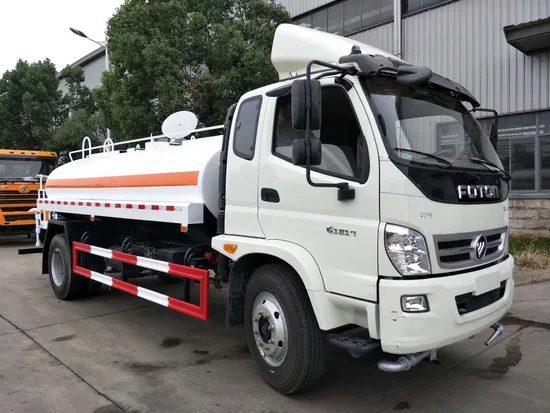
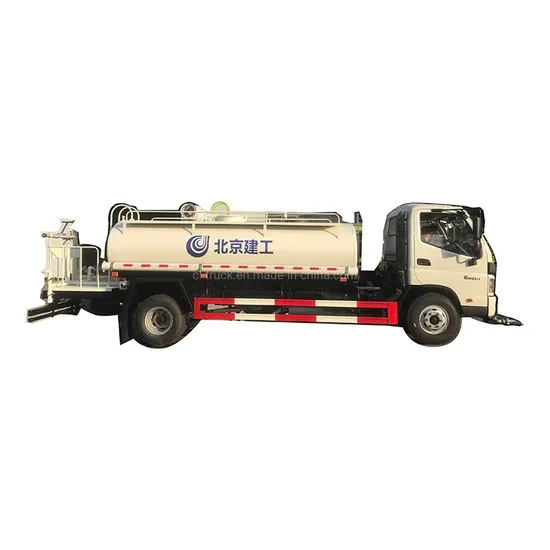
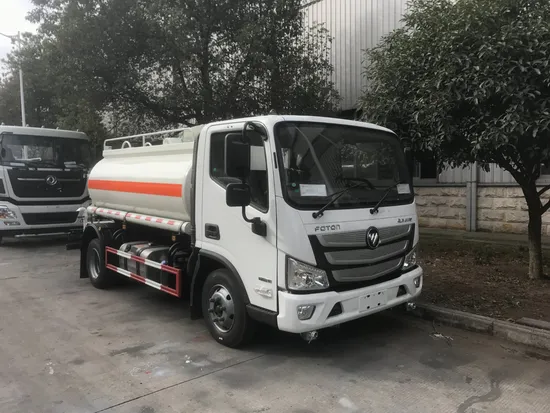
Models for this market are on our special-purpose trucks for Ethiopia page.
What to confirm with your clearing agent
- Whether new trucks need a CoC, and the current product list, including the MoTRI announcement of 12 December 2025 that we could not open.
- Whether diesel trucks, or particular brands, can be imported now, and any exemption route.
- Who is appointed for your shipping country after Bureau Veritas's 1 November 2026 withdrawal, and fees and penalty amounts.
- Emission rules. Addis Ababa Transport Bureau is preparing to implement National Vehicle Emission Standard ES6725/2022 (allAfrica, 10 October 2025); the Euro level and import application are not stated.
- Whether a pre-shipment inspection report is also needed. The US Commercial Service guide (18 January 2024) lists one among import documents.
- Duty, registration and drive-side rules.
Sources checked
- Ethiopia PVoC - TÜV Rheinland, undated, copyright 2026
- TÜV Rheinland signs contract with ECAE - TÜV Rheinland, 3 December 2025
- About ECAE - ECAE, undated, copyright 2026
- Certificate of Conformity for Exports to Ethiopia - Cotecna, undated, contact list April 2026
- Cotecna signs PVoC scope expansion contract with MoTRI Ethiopia - Cotecna, 31 May 2024
- Ethiopia (ECAE) - Bureau Veritas, seen October 2026
- Notice of PVoC Services Discontinuation - Bureau Veritas, 20 August 2026
- Continuation of VOC services - Bureau Veritas, 16 December 2025
- Electric Vehicles excluded from the PVoC program - Bureau Veritas, 25 March 2025
- Certificate of Conformity for Exports to Ethiopia - Intertek, undated (older regime, not relied on)
- Ethiopia Expands Vehicle Import Ban to Trucks - Ecofin Agency, 8 October 2025 (news)
- Ethiopia Banned Petrol Cars but Climate Was Never the Reason - Energy Transition Africa, May 2026 (news)
- Ethiopia continues to ban import of Sinotruk trucks - MarkLines, 18 August 2025 (news)
- Addis Ababa to Implement New Vehicle Emission Standard - AllAfrica, 10 October 2025 (news)
- Ethiopia Import Requirements and Documentation - US International Trade Administration, 18 January 2024
Last checked: October 2026. Rules change; this guide is general information, not legal or customs advice.
Frequently asked questions
Who runs Ethiopia's certificate of conformity programme?
ECAE provides pre-export verification of conformity and says it is accountable to MoTRI. Appointed inspection companies issue the certificates abroad.
Do new trucks need a certificate of conformity?
The pages we read do not list road trucks among the regulated products. Confirm with your clearing agent using the exact tariff code.
Can diesel trucks be imported into Ethiopia?
It has been reported (Ecofin, October 2025; no official text found) that the import ban on combustion-engine vehicles was extended to gasoline and diesel trucks. Confirm the current position and any exemptions before ordering.