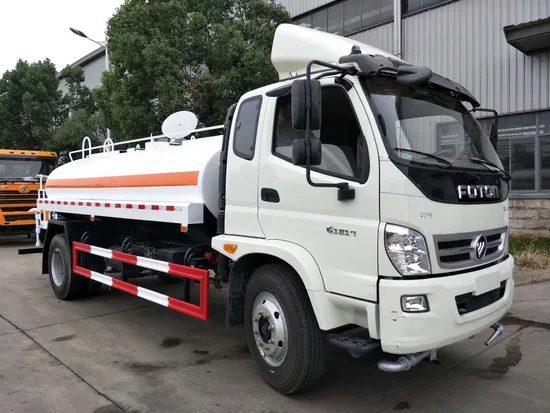
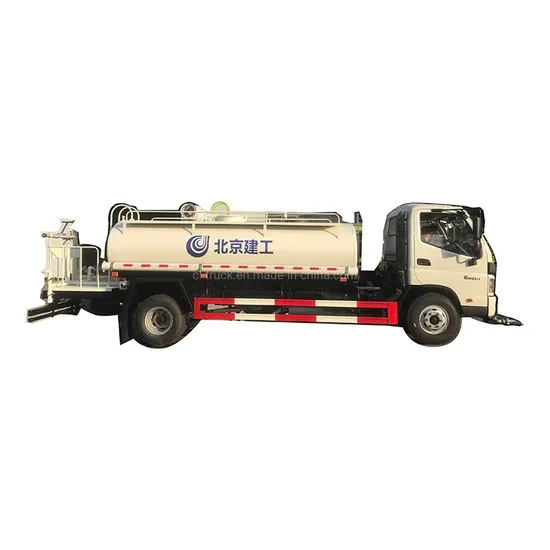
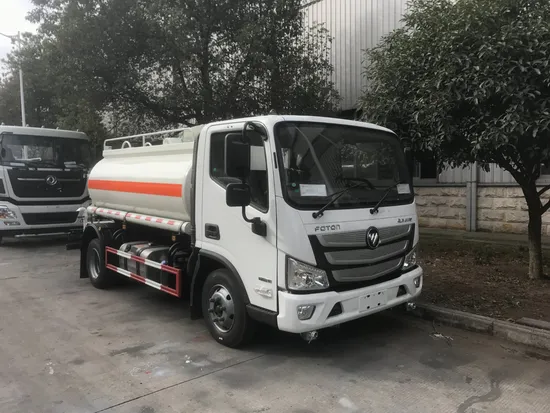
DR Congo requires pre-export verification of imports under the Office Congolais de Contrôle (OCC) and the Ministry of Commerce. Bureau Veritas BIVAC BV is the appointed company. The importer ends up needing an Attestation de Vérification (AV) for customs clearance. The contract is reported to end in November 2026, so check who is appointed.

What the programme is and who runs it
According to Bureau Veritas's DR Congo datasheet (Rev. 31, April 2026), the authority is the OCC and the Ministry of Commerce. The programme rests on Ministerial decree No. 003/CAB/MIN.COM.EXT/2017, which approved the contract between the OCC and Bureau Veritas BIVAC. The datasheet names Bureau Veritas BIVAC BV as the appointed company and sets a minimum value of USD 2,500 FOB; imports below that value are listed as exempt.
The importer starts the process. Bureau Veritas's French guide (May 2022) says the importer opens a Déclaration d'Importation des Biens (DIB) at a bank through the GUICE single window, with a detailed pro-forma invoice showing FOB value and customs classification, and must give an exporter contact. The datasheet says the DIB is valid for 360 days, renewable once for 180 days.
Provider status is uncertain. Ecofin (12 May 2026) reports that the OCC mandate held by Bureau Veritas BIVAC ends in November 2026, that the OCC has said an international tender will be launched, and that no official tender notice had been published. It also reports that Intertek proposed a public-private partnership. No outcome was found.
Does it cover new trucks?
The datasheet says subjected goods are "all goods (except exempted ones)", and shows no separate vehicle procedure. It states that automotive vehicles must observe the legal requirements of safety, manufacture and roadworthiness, and must enter DR Congo with documents proving ownership and age. Among documents that may be requested it lists vehicle papers, such as a police declaration or registration card "as the case may be", for motor vehicles. What this means for a new truck is not stated.
Second-hand goods are allowed if described as such in the DIB. The datasheet's prohibited list includes used vehicles of more than 20 years, with listed exceptions that include heavy vehicles with 4x4, 6x6 or 8x8 drive, trailers and civil engineering machines. That concerns used vehicles. No source read gives a rule specific to new trucks.
The datasheet says destination inspection is not allowed under the Bureau Veritas programme, and that the OCC currently performs destination inspection without issuing a verification certificate, subject to penalties.
Steps before shipment
- The importer registers the DIB at a commercial bank on the GUICE platform; the OCC passes the verification request to Bureau Veritas BIVAC (Bureau Veritas flyer, 2025).
- The exporter completes a Request for Information form and sends it with conformity documents and test reports (same flyer).
- Goods are inspected in the country of export, and available test reports are reviewed or tests carried out (same flyer).
- A Preliminary Notification is issued if satisfactory, or a Non-Conformity Statement if not; goods under a Non-Conformity Statement must not be shipped (flyer and datasheet Rev. 31).
- After shipment the exporter sends the final invoice, transport document and packing list (flyer).
- The final assessment produces an AV, required for customs clearance, or an Avis de Refus d'Attestation (ARA); the AV goes to the OCC through the single window (flyer and datasheet).
What to ask your truck supplier for
- A vehicle specification sheet for the exact model and body type.
- Drive side and emission standard stated clearly (see left-hand and right-hand drive trucks and Euro emission standards).
- A chassis or VIN number list and photographs.
- Test or inspection reports and any manufacturer quality certificate.
- Commercial invoice (the datasheet asks for the final invoice to show FOB, freight and insurance separately), packing list and bill of lading.
- Whatever vehicle papers the verification company requests for a new unit.
What to confirm with your clearing agent
- Which company holds the verification contract for your shipment date, given the reported November 2026 expiry.
- Which vehicle papers apply to new trucks.
- Whether special bodies such as tankers or cranes raise extra requirements.
- Validity periods, which differ between datasheet revisions: inspection report validity is 90 days in Rev. 26 and 120 days in Rev. 31.
- Fees, which the datasheet says the importer pays to the bank.
- Import duty, registration, and emission or fuel rules.
- Age limits, which were found only for used vehicles.
Sources checked
- Pre-export verification of imports for the DRC, datasheet - Bureau Veritas, Rev. 31, April 2026
- Pre-export verification of imports for the DRC, datasheet - Bureau Veritas, Rev. 26, June 2024 (older, compared only)
- Pre-shipment verification of imports: new process, Preliminary Notification - Bureau Veritas, 2025 (v1.0)
- Programme de Vérification des Importations, guide pour les opérateurs - Bureau Veritas, edition May 2022
- DR Congo programme page - Bureau Veritas Verigates, latest news item dated 20 June 2025
- Intertek and Bureau Veritas compete for Congo's trade control contracts - Ecofin Agency, 12 May 2026
- Office Congolais de Contrôle - OCC home page, viewed 10 October 2026; no verification-contract notice seen
Last checked: October 2026. Rules change; this guide is general information, not legal or customs advice.
Frequently asked questions
Which document is needed for customs clearance?
Bureau Veritas's datasheet (Rev. 31, April 2026) says the AV is required for clearance and is forwarded to the OCC through the single window. An ARA is not acceptable for clearance.
Is there a minimum shipment value?
The same datasheet sets a minimum of USD 2,500 FOB, and lists imports below that value as exempt.
Who does the pre-shipment verification?
The datasheet names Bureau Veritas BIVAC BV as the appointed company. Ecofin reports the OCC mandate ends in November 2026, so confirm the current company.