
Before importing a fuel tank semi-trailer, identify the tractor that will pull it and the destination where it will operate. The trailer's axle count and nominal tank volume are not enough to establish compatibility or permission to use it. Build the procurement file around five subjects: mechanical connection, brake and electrical interfaces, vehicle identity, tank documentation and destination review.
Identify the actual tractor
Provide the tractor's model, identifying information, specification documents and the relevant connection and weight details requested by the supplier's technical team. If several tractors may be used, identify each proposed configuration. Do not describe the fleet simply as heavy-duty tractors and assume the trailer will suit all of them.
Ask for a written compatibility assessment covering the proposed combination. Record any changes that the supplier says are necessary and have the responsible qualified parties review them. A statement that the trailer uses a common connection does not replace an assessment of the actual equipment and its intended loading conditions.
Keep the five review groups separate
| Review group | Supplier responsibility to define | Buyer or importer responsibility to arrange |
|---|---|---|
| Mechanical connection | Trailer connection specification, drawings and relevant configuration limits | Actual tractor information and qualified review of the combination |
| Brake and electrical interfaces | Supplied systems, interfaces and supporting documentation | Confirmation of tractor compatibility and any destination review needed |
| Vehicle identity | Identification and documents for the trailer being supplied | Importer and registration requirements for the destination |
| Tank records | Accepted tank specification and the documentation included with that build | Review against the intended fuel and locally required documentation |
| Destination acceptance | Accurate technical information and agreed supporting records | Applicable authority contacts, applications and inspection arrangements |
Assign a named responsible party and a due date to each open item. A supplier may provide a document without being the organisation that decides whether the destination accepts it. Keep document supply and official acceptance as distinct entries in the review record.
Request interface details without improvising adaptations
Ask the supplier to identify the trailer's braking and electrical systems and the information needed to compare them with the tractor. Have the appropriate specialists assess the proposed connections and operating compatibility. This should happen while the configuration can still be changed through the formal purchase process.
Do not resolve an uncertain match by ordering unspecified adapters or changing connections after arrival without the required professional assessment. The procurement goal is a documented combination with an agreed support scope. This article does not provide modification, brake-installation or fuel-system instructions.
Use the listed trailer as an enquiry reference
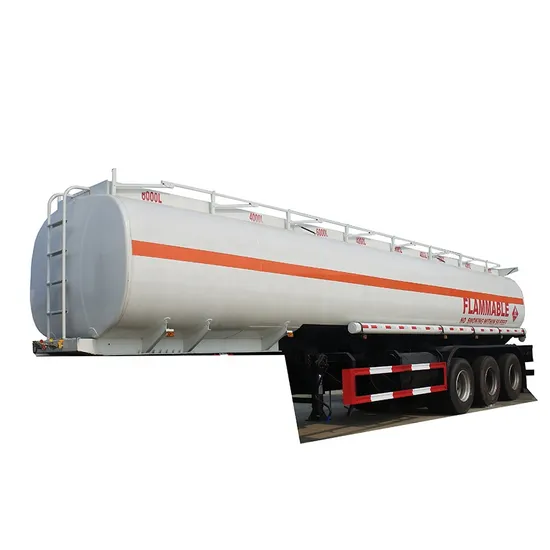
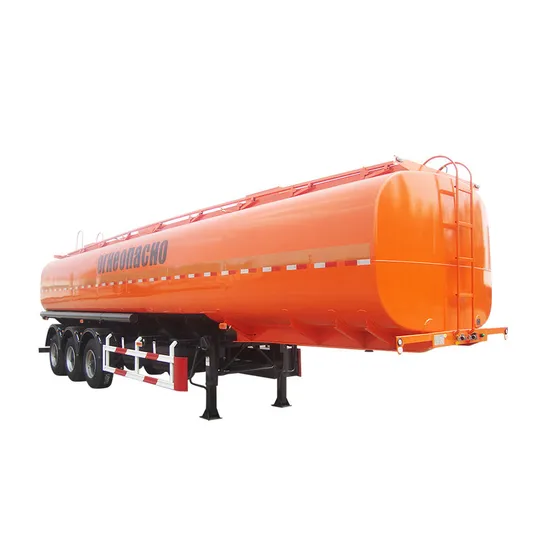
The 3-axle petrol tanker semi-trailer lists a nominal tank volume of 45,000 L and exterior dimensions of 11,000 × 2,500 × 3,650 mm. Ask for the final specifications and shipping information for the actual build rather than treating the catalogue as a completed import file.
The compartment count is confirmed in the quotation. Obtain an accepted drawing and written compartment schedule; do not assume a particular count. Request the weight schedule for the complete proposed combination and have the relevant parties confirm the operating limits that apply. Nominal tank volume is not a destination payload approval.
Define the tank-document package
State the intended fuel and ask the supplier to identify the tank specification, equipment schedule, identification records and inspection or test documentation included in the quotation. Ask the destination reviewer which documents must be supplied, in what format and by which recognised organisation where applicable.
Do not write a standard or certificate name into the accepted record unless the relevant evidence for the supplied build is available and the responsible reviewer has established its relevance. This listing does not establish ADR or ASME certification, and neither label should be invented as an import assurance. Record missing or pending evidence explicitly.
Confirm the destination process before dispatch
Give the importer and responsible authorities the actual trailer proposal, tractor information and intended use. Ask which import, registration, tank and dangerous-goods-related requirements apply to that operation. Requirements can depend on the jurisdiction and the particular activity; there is no single approval statement that covers every destination.
Identify which reviews can be completed from documents before shipment and which require the vehicle after arrival. Record any inspection appointments, submission responsibilities and unresolved conditions in the project schedule. An approved shipping booking is not evidence that these other steps have been completed.
Close the gaps with an acceptance register
Maintain a register with one row per requirement: requested evidence, supplier response, reviewer, status and document revision. Use clear statuses such as received, under review and accepted, rather than marking a whole file complete because some documents have arrived. Reconcile the final trailer identity and build revision across the packing information and technical records.
For an import enquiry, send the destination country, operating location, intended fuel, tractor specifications and any written requirements already obtained. Request a proposal that answers the five review groups separately. That gives the buyer a concrete basis for approving the configuration and arranging the remaining local steps before committing to dispatch.