
Separate the road-vehicle file from the firefighting-equipment file, then link both to the exact completed truck. A chassis document does not describe every pump or tool, and an equipment brochure does not settle vehicle import or registration questions.
Before ordering, ask the relevant destination authorities and professional advisers which requirements apply to the intended vehicle and use. This article provides a document-organizing framework, not a country-specific import approval or legal checklist.
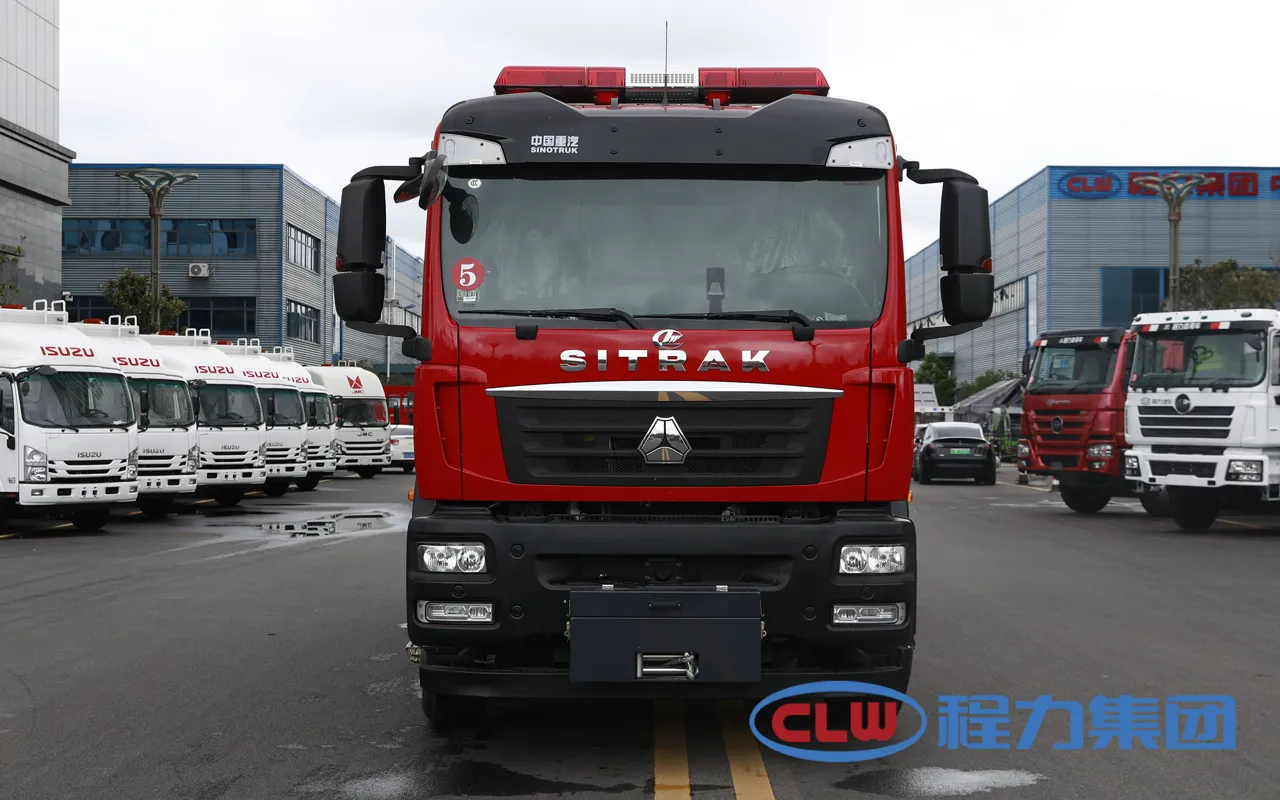
Define the destination and intended use first
Identify the country, receiving organization and proposed role of the vehicle. Record the requirements communicated by the relevant local parties, including the source and the vehicle description used in the enquiry.
Do not assume that requirements for another country, another vehicle category or another buyer apply unchanged. If the configuration changes, ask whether the earlier response still covers it.
Build a chassis and completed-vehicle file
Request the vehicle identity and the technical documents needed for the local review. Keep the base chassis information distinct from the completed vehicle configuration, including the body and supplied equipment.
Ask the supplier to identify which documents relate to the actual unit and which are general model information. The accepted file should make the relationship between chassis, body and completed vehicle clear.
Build a separate firefighting-equipment file
| Document group | Items to identify | Review responsibility to establish |
|---|---|---|
| Chassis and vehicle | Vehicle identity, build and relevant technical records | Destination vehicle and import review |
| Body and tank | Selected configuration and associated drawings | Completed-vehicle and professional equipment review |
| Pump system | Exact equipment and applicable performance documents | Responsible fire-service technical review |
| Carried equipment | Itemized models, quantities and manuals | Buyer acceptance against the agreed list |
| Instruction and support | Included services, manuals and contacts | Operating organization and supplier scope |
Have the local reviewers specify the exact documents needed within each group. The table does not assert that a particular certificate or test is universally required across destinations.
Keep the pump documents configuration-specific
Request the pump identity and the supporting performance information for the supplied arrangement. Have the responsible fire professionals assess it against their requirements.
Do not treat the water-tank volume as a substitute for pump information. Equally, a pump manufacturer's general catalogue does not establish that a particular model is installed or that the complete vehicle meets a destination requirement.
Reconcile the equipment list with the order
List carried tools and equipment by model or sufficiently precise description, quantity and supply status. Identify buyer-supplied items separately. Ask for the relevant manuals and records associated with the accepted list.
At handover, compare the delivered list with the agreed offer. Photographs of a fully equipped vehicle are not a contractual inventory, and they should not be used to resolve an omitted item by assumption.
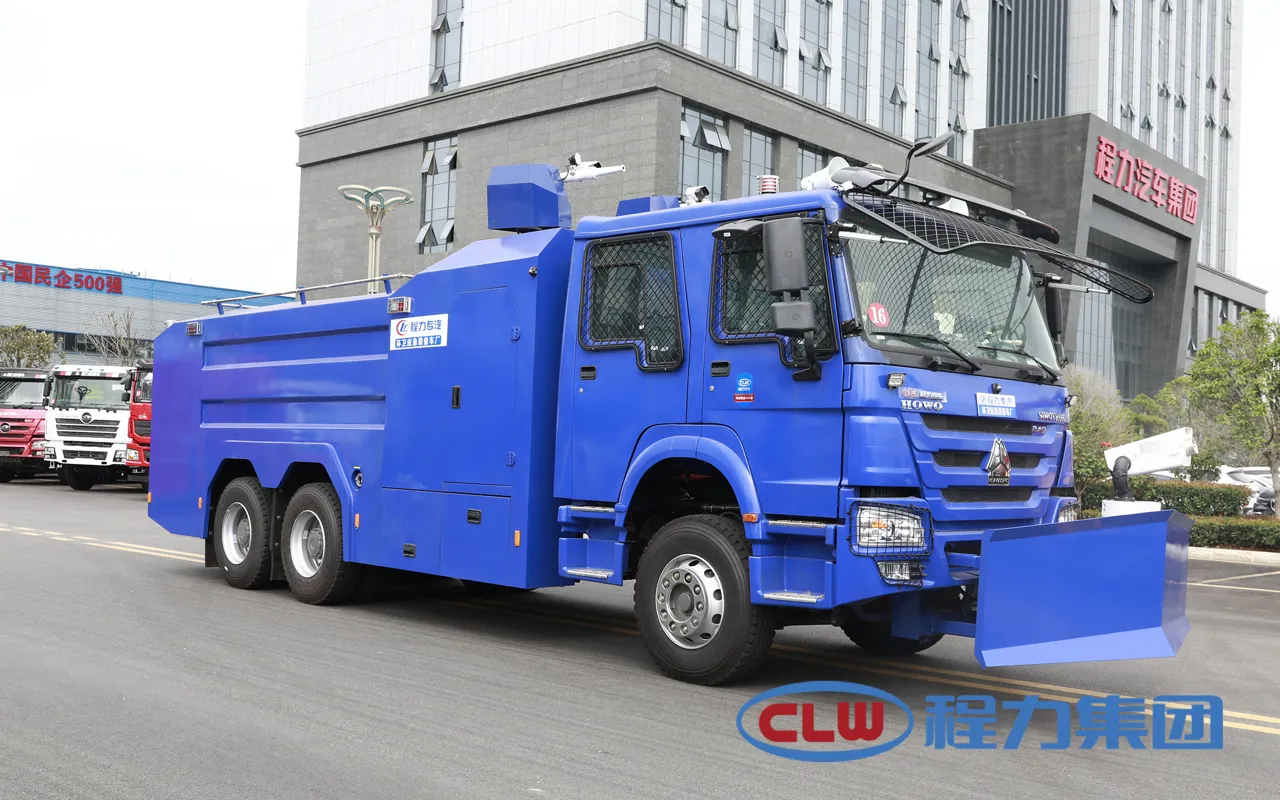
The catalogue example is not an import approval
The 2,000 L water-tank fire truck lists chassis QL1070A5HWY, overall dimensions of 6,360 × 2,000 × 2,740 mm and a 3,360 mm wheelbase.
These facts identify the product enquiry. The available brief does not demonstrate destination firefighting approval or automatic permission to import and register the vehicle. Request the documents specified by the responsible local parties for the exact build.
Include handover and instruction scope
Ask what operator instruction and equipment familiarization are included, who provides them and which manuals accompany the vehicle. Keep these services separate from the physical equipment list so exclusions are visible.
Also request the actual warranty and support responsibilities for chassis, body and specialist equipment. A single general warranty statement may not explain how an issue spanning several systems will be handled.
Track open requirements before shipment
Create a register showing the required document, responsible supplier, received revision and reviewer status. Resolve mismatched identities and missing records before treating the file as complete.
Do not confuse shipment arrangements with technical or regulatory acceptance. The relevant local parties must determine what is needed for the destination and intended use; this article does not supply a legal conclusion.
Send the supplier an approved document request
Provide Chengliwei with the destination, professional equipment brief and document requirements gathered from the local review. Request an indexed response covering the vehicle and firefighting packages separately, with both linked to the completed truck.
This makes the purchase file easier to assess and prevents a chassis record or promotional certificate from being mistaken for the entire import and equipment package.