A shipping quote for a tipper only works when the truck is described clearly. Three things cause most arguments later: which size was used, what the weight really means, and where the quote starts and stops.
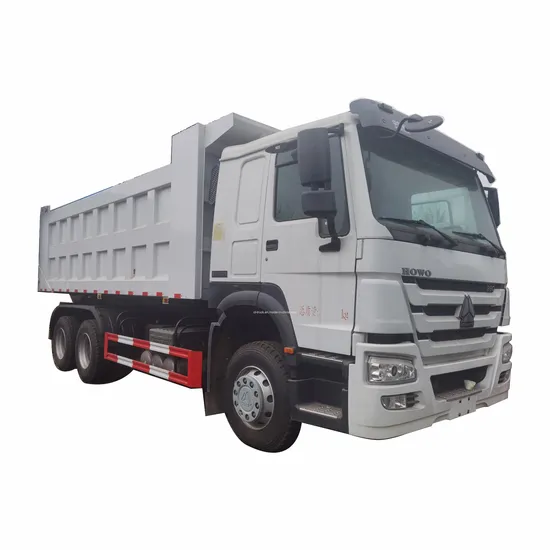
Use the size of the complete truck
Measure the whole vehicle, not the bare chassis. Include the tipper body, the cab guard and anything fixed to the truck. Write the size as length x width x height, and say clearly that it is the complete vehicle. If the quote was built on a smaller size, the final invoice will be higher.
Say what each weight number means
Weight has several meanings, and they are not the same. Curb weight is the empty truck. Payload is what the truck can carry. Gross vehicle weight is the two together. Shipping weight is what the freight agent charges you for. Write the label next to every number, and never send a bare figure.
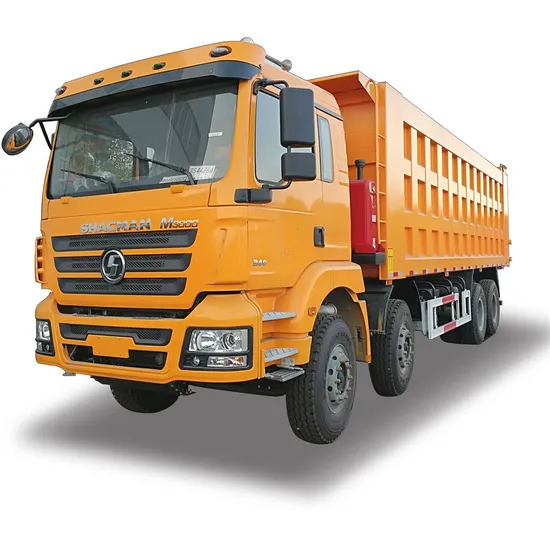
Show where the quote starts and where it ends
Write the loading port and the destination port. Write the date the price is valid until. State the currency. If the price can move when fuel or freight rates change, say so on the quote itself, not only in a phone call.
Compare the services before you compare the prices
Two quotes with different prices are often two different services. Check four lines: who pays the terminal handling, who arranges transport inside the destination country, who prepares the customs documents, and what insurance is included. Compare those lines first. Then compare the totals.
Solve differences in writing
When two quotes disagree, ask both sides the same question in an email. Keep the answers in one file. If the supplier changes the truck size or the shipping method, ask for a new written quote and use the new date. Do not accept a change that was only agreed by phone.