
Confirm local requirements before approving the final kitchen layout, not after the truck arrives. A food truck combines a road vehicle, a food workspace and several equipment systems. Acceptance of one part does not establish acceptance of the others. Start with the intended country, city, trading location and menu, then ask the responsible organisations what they need to review.
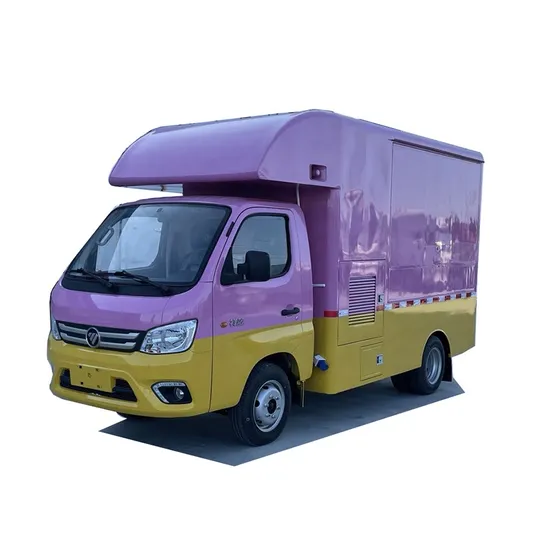
Describe the intended business clearly
A coffee vehicle, a fried-food kitchen and a vehicle serving food prepared elsewhere can require different equipment arrangements. Write down the preparation steps, proposed appliances, ingredient storage, number of workers and whether the unit will trade at a fixed site or move between events. State where supplies enter, where customers are served and where waste leaves.
Give this description to the local food-business authority and site operator. Ask which approvals relate to the operator, which relate to the premises or vehicle, and which depend on the particular pitch. Keep the written responses with the procurement file so that the supplier receives specific requirements rather than a general instruction to make the truck compliant.
Separate five approval conversations
| Topic | Who should confirm the local position? | What should go into the purchase file? |
|---|---|---|
| Vehicle import and registration | Importer, registration authority and relevant inspection body | Vehicle identity, dimensions and the documents requested for the intended import |
| Food-business operation | Local food or environmental-health authority | Menu, preparation process, layout and application requirements |
| Pitch and trading permission | Site owner and responsible local authority | Approved location, footprint, access and trading conditions |
| Water and waste arrangements | Food authority and relevant local service providers | Proposed supply, storage and disposal arrangements for review |
| Energy and fire assessment | Qualified local specialists and the authority responsible | Equipment list, electrical requirements and any proposed fuel system |
This is a responsibility checklist, not a statement that every country uses the same approvals. Ask the relevant organisations which items apply and which documents they accept. Customs clearance, road registration and permission to sell food should each have their own confirmation in the project file.
Turn food-workspace requirements into a drawing
Request an interior plan showing equipment positions, working aisles, storage, serving openings and the proposed washing facilities. Include the intended clean-water and wastewater arrangements for local review. Obtain requirements from the responsible authority instead of assuming that a familiar layout from another country will be accepted.
If an authority requests a change, record it on a revised drawing and equipment schedule. Confirm who is responsible for supplying the changed item and whether it changes available workspace, weight or utility demand. Avoid approving a layout by photograph alone: a photograph may show a different build or optional equipment.
Review the installed equipment as one package
Provide the supplier with the destination's confirmed electrical supply information and the proposed operating arrangement at the pitch. Ask for appliance ratings and connection information for review by a qualified local specialist. If gas, a generator, batteries or extraction equipment are proposed, identify the exact scope and the documents the local reviewer requests.
This review belongs before final manufacture where possible. A late change to one major appliance may affect the layout and several supporting systems. The article is not an installation guide; the purchase requirement is a documented, reviewable equipment package with clearly assigned responsibilities.
Use the listed truck as a starting point
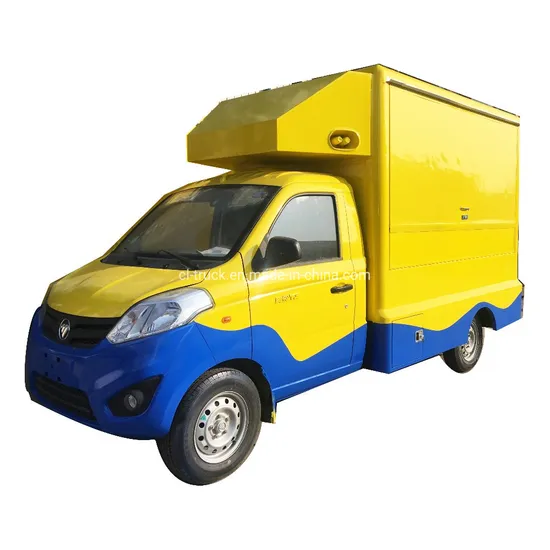
The Foton Mini Food Truck, model CLW5030XSHB5, lists exterior dimensions of 4,730 × 1,780 × 2,630 mm. Use those figures when beginning the access, storage and vehicle-document discussion. They do not establish kitchen working dimensions, local approval or a complete appliance package.
For an enquiry, identify the menu and requested equipment separately. Cooking appliances, cooling equipment, extraction, water systems and electrical arrangements need confirmation in the accepted quotation. Do not treat an equipment item visible in a catalogue image as an agreed inclusion.
Use local examples only for the location they cover
For example, a city authority's food-business guidance may discuss business licensing and a Certificate of Acceptability. It is a useful starting point for an operator in that city, not a permit list for every destination. Check the current application route and your particular activity with the authority concerned.
Agree the review milestones before shipping
Keep a simple sign-off record: local requirements received, layout reviewed, equipment schedule accepted, vehicle documentation checked and outstanding arrival inspections identified. Distinguish an approval already obtained from an application still pending. If an inspection can only happen after arrival, record that dependency and who will arrange it.
Send the supplier your country, city, pitch type, menu, expected staffing and the written requirements already received. Ask for a quotation and drawing that answer those requirements item by item. That gives the importer and local reviewers a concrete configuration to assess before the shipping decision.