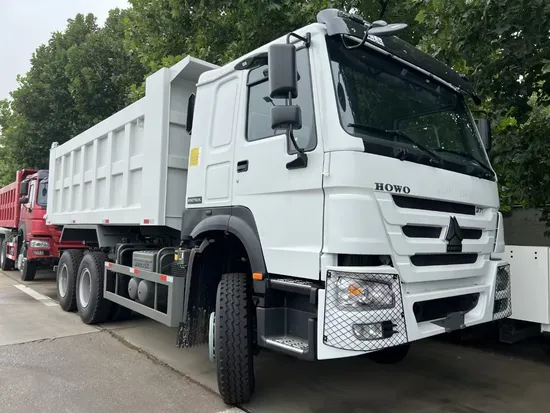
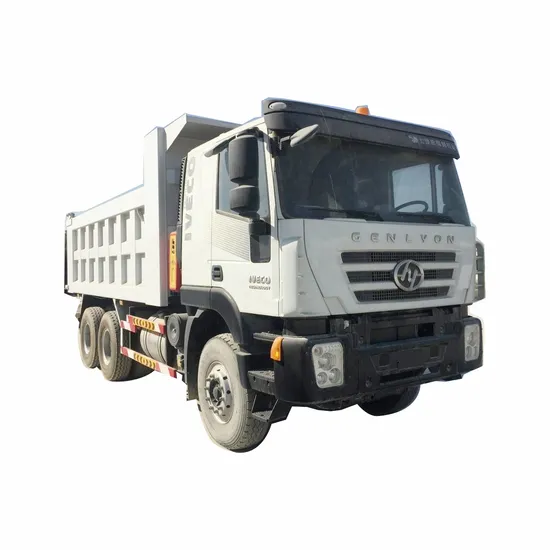
On any truck, a brake failure is among the most dangerous faults. Brake pads, discs and drums are designed to wear, but how fast they wear depends heavily on how the truck is driven and how well the system is maintained. A heavily loaded tipper or tractor unit makes the point clear: the heavier the load, the more work the brakes have to do.
This guide covers driving habits that reduce wear and overheating, and the maintenance items every fleet should schedule. It also looks at why Africa's operating conditions can make brake care more demanding.
Driving habits that protect the brakes
- Slow down early on long descents. Reduce speed before the slope, select a suitable gear and use engine braking together with the service brakes. This takes load off the brakes and helps avoid overheating.
- Lift off the accelerator early in town and in traffic. Braking late and hard from close behind another vehicle wears the pads quickly and wastes fuel. When you see a red light or a queue ahead, ease off in good time.
- Take extra care at bends, hills, bridges, narrow roads and places with poor visibility. Reduce speed and be ready to stop.
- Adjust to changing light. Moving from bright sun into shade or darkness, the eyes need time to adjust, so slow down.
Maintenance that keeps the system reliable
Pads, discs and drums. Braking performance ultimately depends on the friction material, so keeping pads in good condition is the most direct form of brake maintenance. Pads and discs or drums have a limited life and must be replaced when worn to the limit. How long they last depends on the driver and the load, so inspect them on a regular schedule and follow the interval in the operator's manual.
Brake fluid. Fluid is the next most important item after the pads. The aim is to stop it deteriorating, above all by keeping water out. Follow the replacement interval in the operator's manual, and shorten it if the truck works long term in damp or humid conditions.
Running in a new truck. The brakes of a new truck also need bedding in. During the first 1,000 km, avoid emergency stops where possible. After that period, return to normal driving technique.
Pulling to one side. If the truck pulls clearly to the left or right when braking, the brakes are not acting evenly. This can cause an accident, especially at speed. Stop using the truck for heavy work and have the brakes checked and adjusted at a workshop straight away.
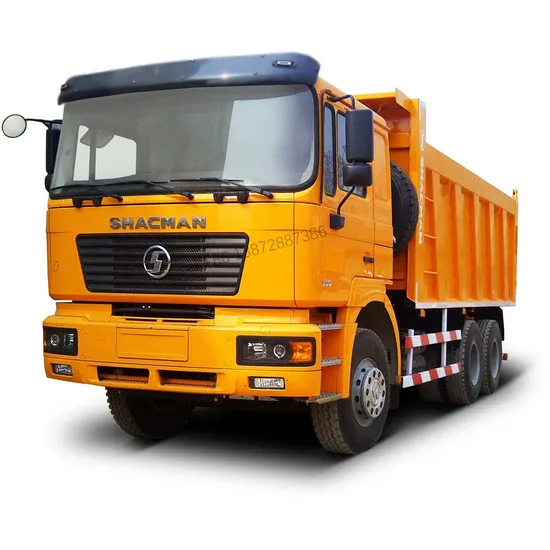
Extra care in hot, dusty and wet conditions
Heat, load and road surface all work against brakes in Africa. Long hills with heavy loads, often on unsurfaced roads, can build up heat in the brakes. Dust and grit may get between pad and disc or into the drum and wear them faster, and rainy-season mud and water can coat the friction surfaces and get into the system.
- Do not overload. Overloading increases the work the brakes must do.
- Wash mud and dust off the brake area and wheels when you can, then check for scoring or uneven wear.
- After driving through deep water, test the brakes gently at low speed before returning to the road.
- Check brake fluid level and condition often, because moisture is harder to avoid in humid weather.
- Keep spare pads and the right tools where the route is far from a workshop, as spare-parts lead times can be long.
- Where drivers move between trucks, brief them on how each one behaves, because braking feel and engine braking can differ.
A simple inspection list
Before each trip, look for fluid leaks around the wheels, check for unusual noise, a soft or low pedal, or vibration, and watch for pulling to one side. Report any of these to the workshop before the truck goes out again.
Related models
Brake care is especially important on heavy tipper and tractor trucks. Browse our dump trucks and tractor heads.
To ask for a quotation, please contact us or message us on WhatsApp.